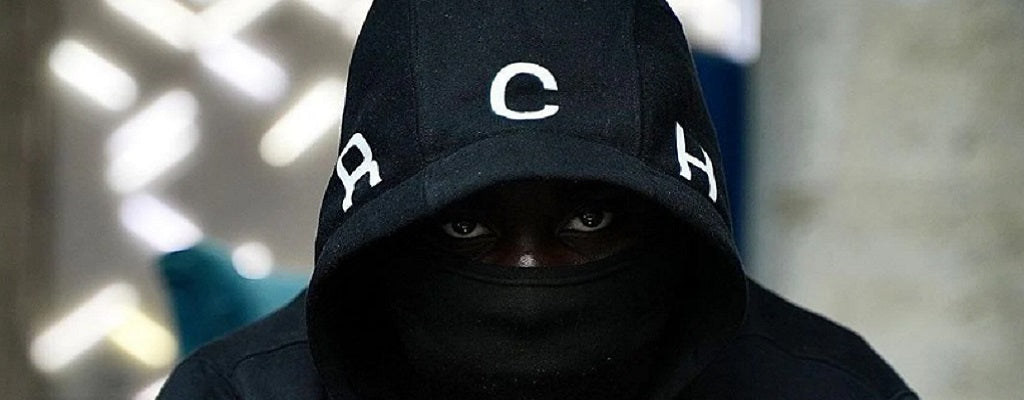
Why is the balaclava coming back in winter fashion?
Long associated with winter sports, jobs exposed to the cold, and technical equipment, the balaclava has, over the past few seasons, made a remarkable return to fashion. Its evolution reflects a broader shift in wardrobes: functional clothing is gradually moving beyond its original setting and finding its place in everyday life.
This change is not based solely on a passing trend. It goes hand in hand with a growing focus on comfort, warmth, and versatility. Designers—as well as the general public—are rediscovering a piece that protects the head, the neck, and sometimes part of the face, while fully participating in a contemporary winter silhouette.
How did an accessory long regarded as purely utilitarian regain such visibility? Its comeback is explained by several simultaneous developments: the increasing presence of technical clothing in fashion, the need for winter comfort, and the renewal of materials and shapes.

Why is the balaclava back in the spotlight?
The return of the balaclava is part of a broader trend: the line between technical clothing and everyday wear is becoming less and less clear. Puffer jackets, hiking shoes, waterproof jackets, and thermal textiles are now found well beyond their original use.
The balaclava follows the same trajectory. Very snug shapes, historically designed for skiing or outdoor activities, now coexist with thick knits, wraparound hoods, and constructions inspired by beanies or scarves.
This diversification allows it to meet very different needs. Some people look for it primarily to protect themselves from the cold, while others appreciate its enveloping volume or the way it frames the face.
To see the different interpretations offered today, our women’s balaclava collection brings together models with varied constructions, materials, and levels of protection.
From technical garment to fashion accessory
Originally, the balaclava served a very specific purpose: to limit heat loss around the head and neck. That function remains one of its main strengths today, but it no longer fully explains its presence in winter collections.
Fashion runways, campaigns, and urban silhouettes have gradually reinterpreted the piece. Knit models are now appearing with long coats, structured jackets, or more relaxed outfits.
So the balaclava is no longer systematically hidden under a helmet or a hood. It can become a visible part of the outfit and contribute to the overall balance of the silhouette.
Comfort as the driver behind its return
Changes in dressing habits also play an important role. Comfort now takes center stage when choosing winter clothing. Soft materials, enveloping volumes, and easy-to-wear pieces are more sought after.
The balaclava naturally meets this expectation because it can combine several functions in a single piece. Depending on its construction, it can protect the head, cover the neck, or complete a hood.
This versatility explains, in particular, the development of hybrid models and the renewed interest in the women’s balaclava. It’s no longer just about fighting the cold; it’s about finding clothing that combines comfort, simplicity, and functionality.

Materials help drive this transformation
The renewal of materials has profoundly changed the balaclava’s look. Wool and thick knits create a softer, more urban finish, while fleece retains a particularly functional dimension that many value when temperatures drop.
Other models use lightweight synthetic fibers, stretch textiles, or technical fabrics designed to support outdoor activities.
This variety means the balaclava no longer fits into a single category of clothing. A knitted version and a model designed for winter sports can share the same protective principle while serving very different uses.
A piece adopted in many different settings
One of the special aspects of the balaclava’s return is the variety of settings that have embraced it. Of course, it remains present in winter sports, but it also appears in urban outfits and ready-to-wear collections.
This coexistence explains today’s variety of shapes. Traditional balaclavas closely cover the head and neck. Knit versions can be much more flexible. Some resemble a beanie, while others extend their volume around the neck or take on the look of an independent hood.
So the boundaries between different categories are becoming less clear. The beanie-balaclava, the removable hood, or the balaclava-scarf illustrate the search for multifunction pieces suited to everyday use.
The face at the center of the winter silhouette
The balaclava’s distinctive shape naturally draws attention to the face. Unlike a classic beanie, it creates continuity between the head and the neck. This feature strongly influences the overall balance of an outfit.
Soft knit models generally produce a softer look, while versions that sit closer to the face give a more graphic impression. Colors also play an important role: neutral tones blend easily with a winter coat, while bolder shades create more contrast.
These differences explain why the balaclava now occupies a special place in winter photographs and collections. Its instantly recognizable shape makes it possible to change the overall look with just one piece.
The rise of hybrid models
The balaclava’s return is especially marked by a multiplication of hybrid constructions. Manufacturers are no longer limited to the traditional shape and combine several functions to offer more versatile accessories.
A balaclava can thus extend around the neck, take the form of a hood, or combine certain characteristics of a beanie and a scarf. This change follows a practical logic: to limit the number of accessories needed while maintaining protection appropriate for colder temperatures.

This same idea also explains the interest in transformable pieces. A construction that is flexible enough can be worn in different ways depending on the weather, the outfit, or the level of protection desired.
An evolution linked to a more functional fashion
The balaclava’s return is not an isolated phenomenon. For several years now, many elements originally from technical clothing have been making their way into everyday life. Waterproof materials, thermal textiles, quilted garments, and shoes initially designed for outdoor activities have undergone a comparable evolution.
This trend reflects changing expectations. A garment is no longer chosen solely for how it looks. Its ability to protect against the cold, resist bad weather, or adapt to multiple situations can directly contribute to its appeal.
The balaclava fits particularly well with this logic, since its protective function is immediately understandable. Its protective purpose has never disappeared; what has changed is mainly how it’s been integrated into the wardrobe.
A lasting return or a passing trend?
It’s difficult to predict how long a trend will keep the same level of visibility. However, several features of the balaclava go beyond a mere seasonal phenomenon.
Its ability to protect multiple areas with a single piece is a practical advantage that can last. The diversity of materials also makes it possible to offer versions suited both to the city and to outdoor activities.
Finally, the many variations that have appeared in recent years show that the balaclava is no longer limited to a single shape. This ability to evolve could help it remain part of the winter wardrobe even when its media exposure becomes less strong.

The balaclava as a reflection of a new relationship with winter clothing
Ultimately, its return illustrates a broader transformation of winter wardrobes. Comfort, warmth, and functionality can now fully contribute to a garment’s identity.
The balaclava has gone from an item primarily meant to protect against the cold to a piece interpreted in many ways: technical, knitted, wraparound, urban, or hybrid.
This diversity likely explains why it has regained such visibility. It keeps its historical function while meeting contemporary expectations of versatility and comfort.
To discover the different constructions available, you can browse our selection of women’s balaclavas.
FAQ about the balaclava’s return to fashion
Why has the balaclava become popular again?
Its comeback can be explained by several factors: the growing influence of technical clothing in everyday wardrobes, the search for winter comfort, and the development of new knitted, wool, and synthetic-material shapes. It therefore meets both a need for protection and changing fashion habits.
Is the balaclava only meant for winter sports?
No. Technical models are still widely used for skiing and outdoor activities, but many versions are now intended for everyday wear. Knit models, independent hoods, and hybrid shapes are particularly worn in the city.
What materials are used to make a balaclava?
The composition depends mainly on its intended use. Wool and knit fabrics are common in everyday models. Fleece provides appreciated insulation in cold weather, while stretchable or breathable synthetic fibers are more common in sports equipment.
What’s the difference between a balaclava and a balaclava-beanie?
A traditional balaclava generally covers the head and extends around the neck. A balaclava-beanie provides this protection while using a construction closer to a beanie or a soft hood. The boundaries between these categories can nevertheless vary depending on the model.
Why are there so many different shapes today?
Manufacturers are trying to make this accessory more versatile. Some models combine the functions of a beanie, a hood, a neck warmer, or a scarf. This evolution makes it possible to adapt protection to different temperatures and everyday uses.
Can the balaclava remain more than just a fashion trend?
Its visibility may naturally change from season to season, but its protective function remains relevant. The variety of materials, volumes, and constructions also allows it to meet very different needs, which may support its long-term presence in the winter wardrobe.