Login
Language
Balaclava by gender
Balaclava by activity
Chapka Hats
Balaclava by color
The Catalogue
Filter by :
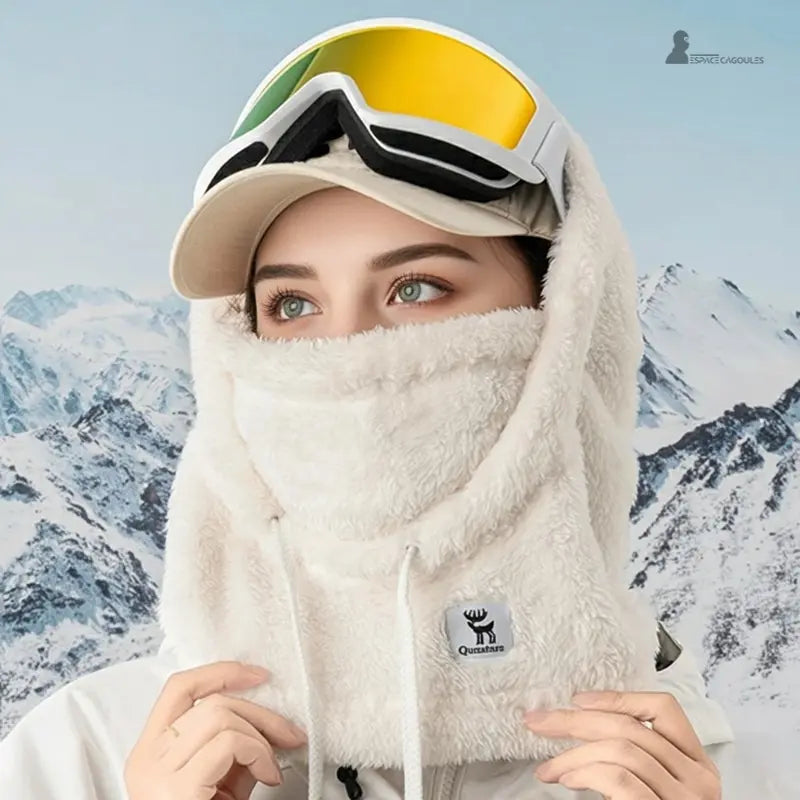
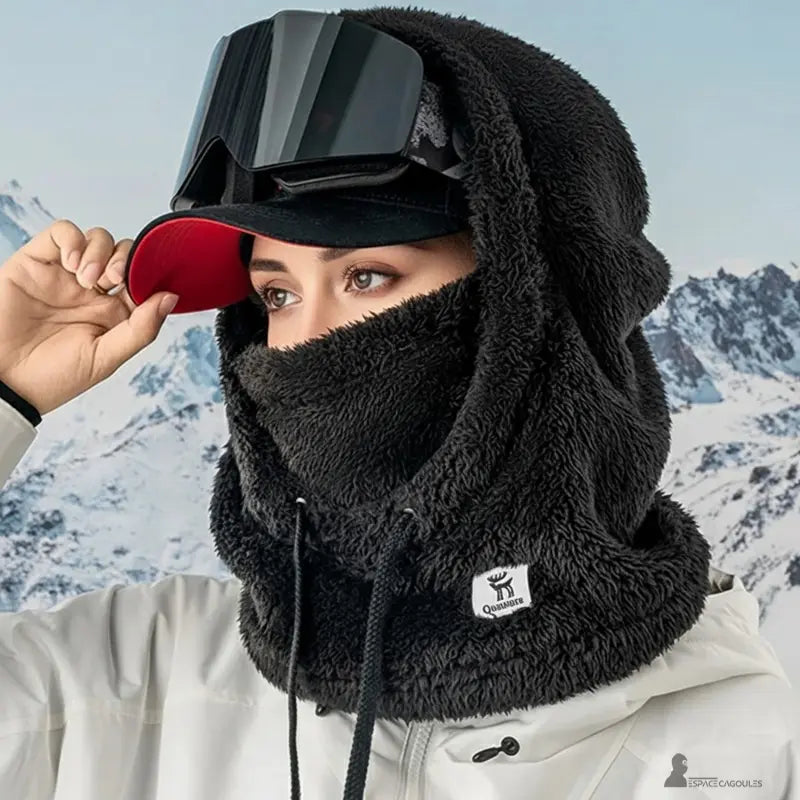
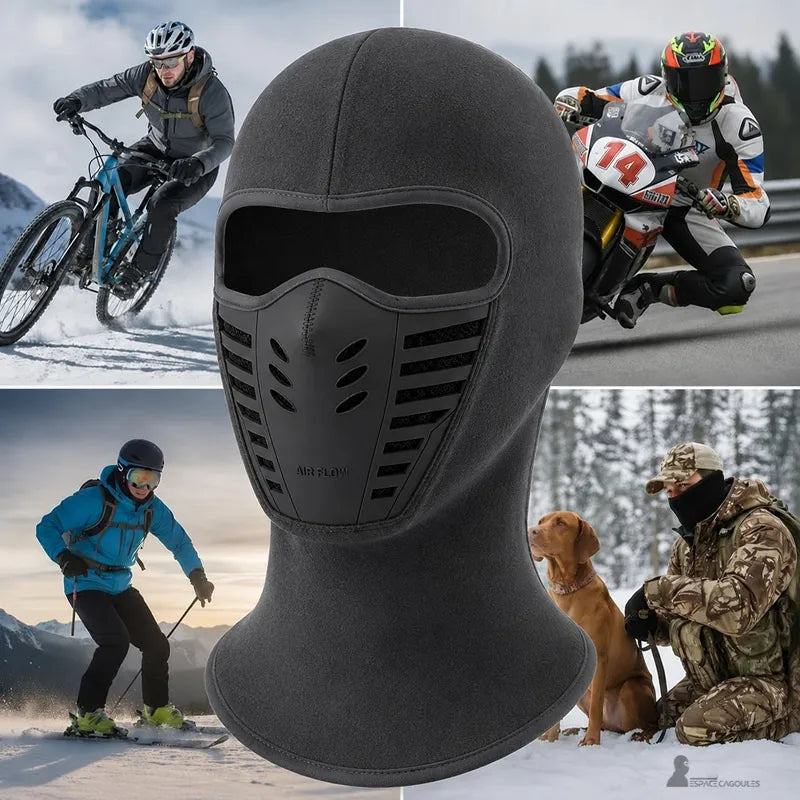
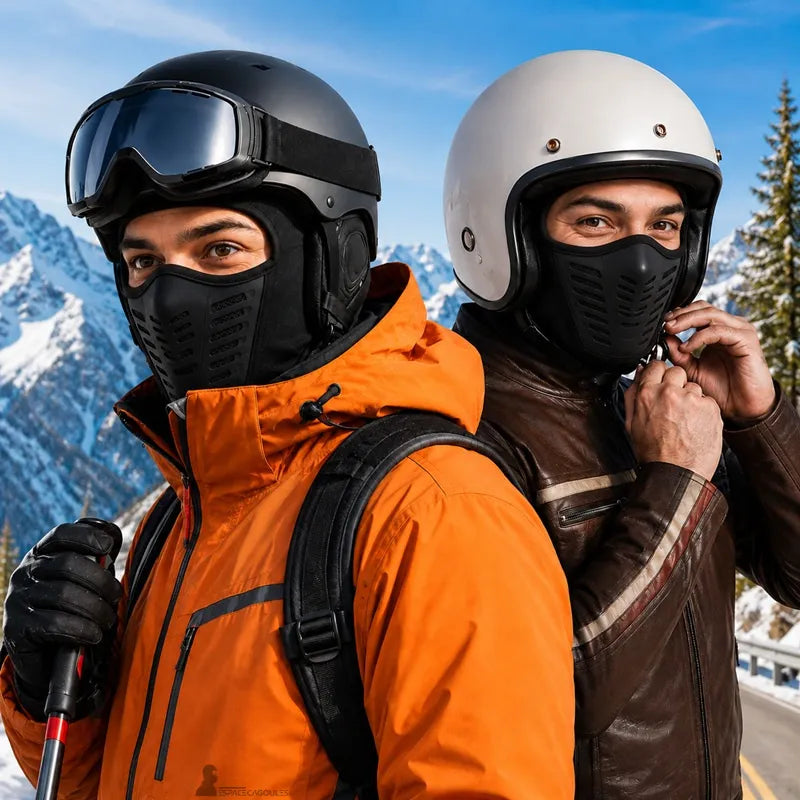
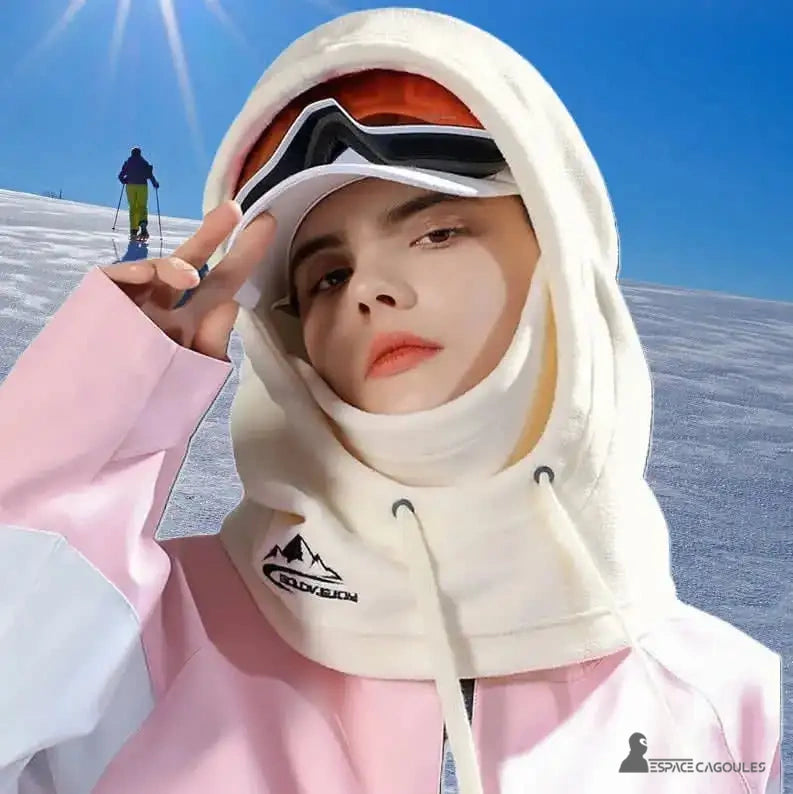
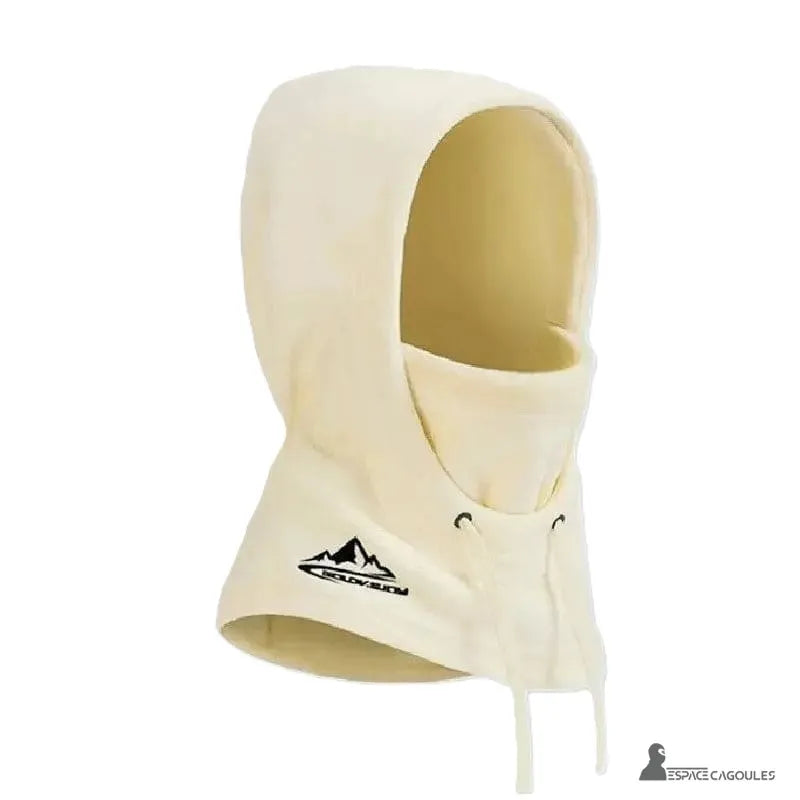
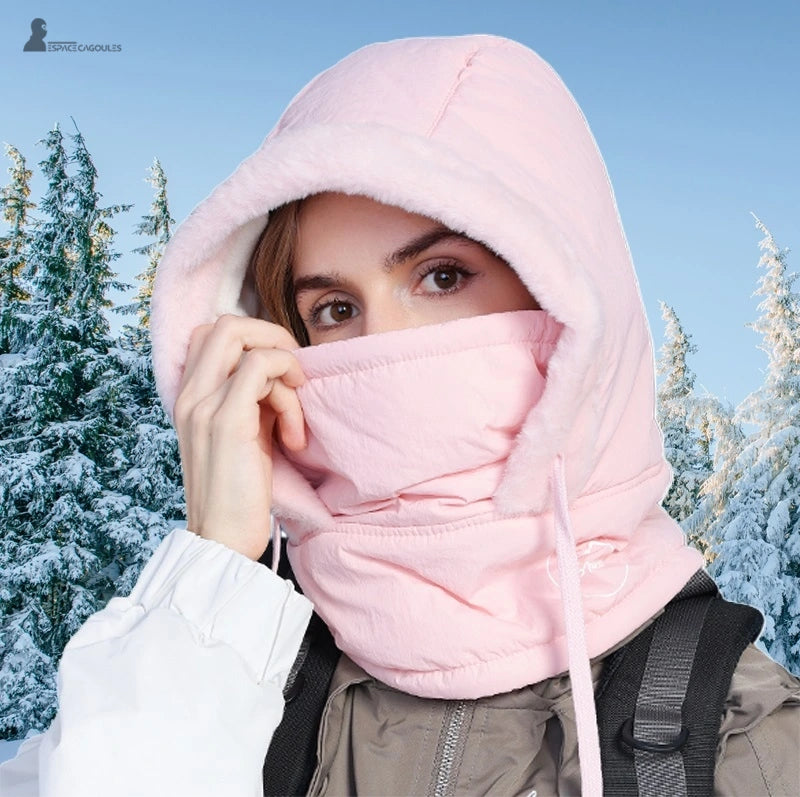
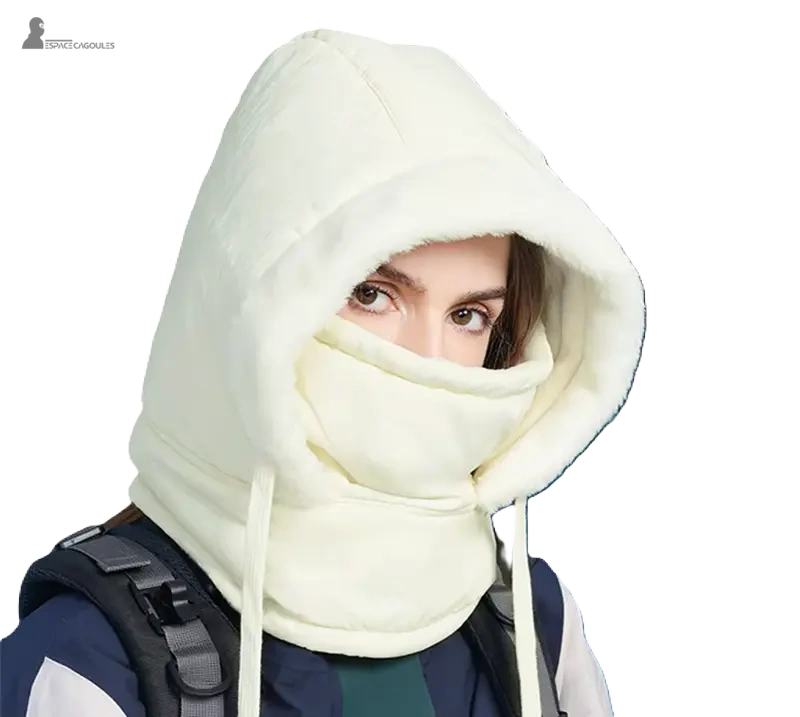
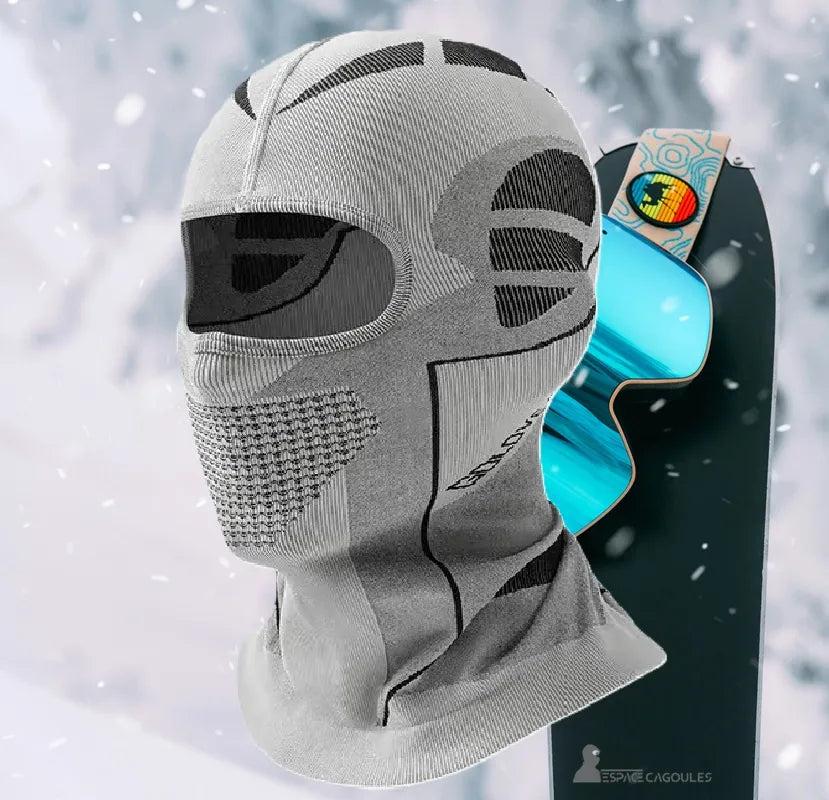
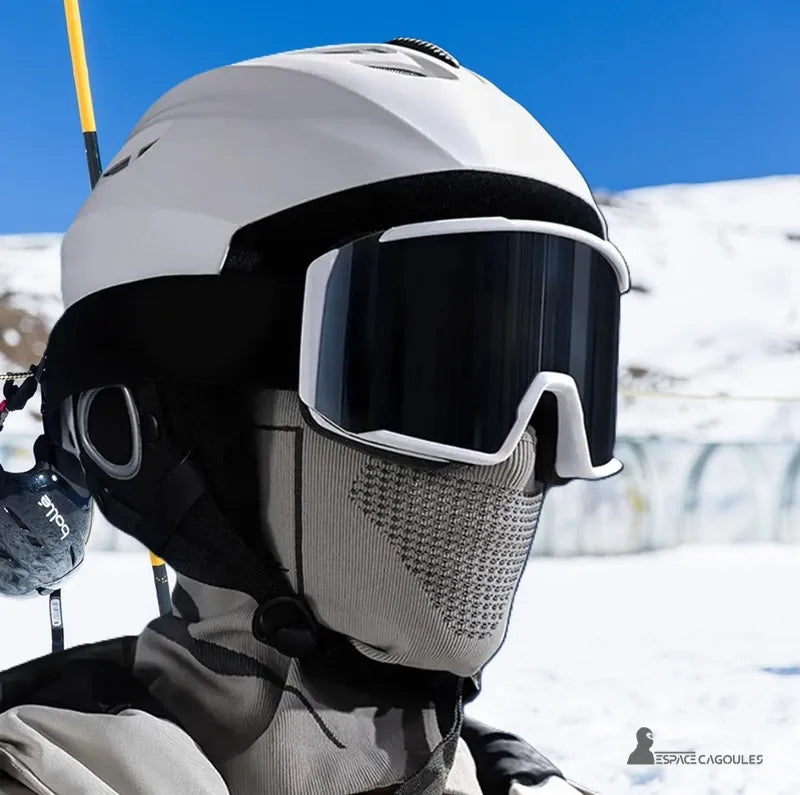
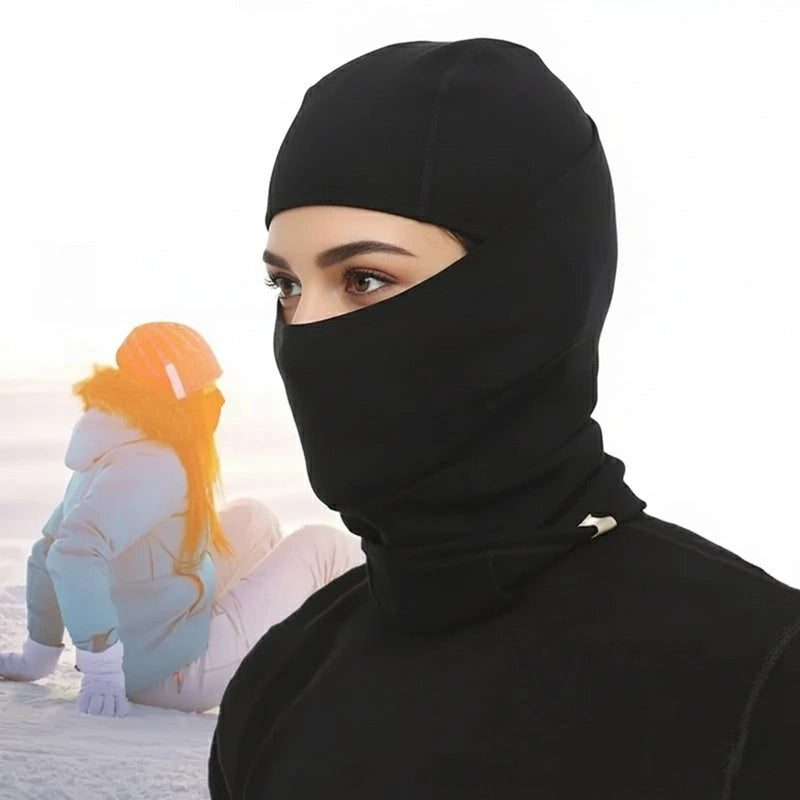
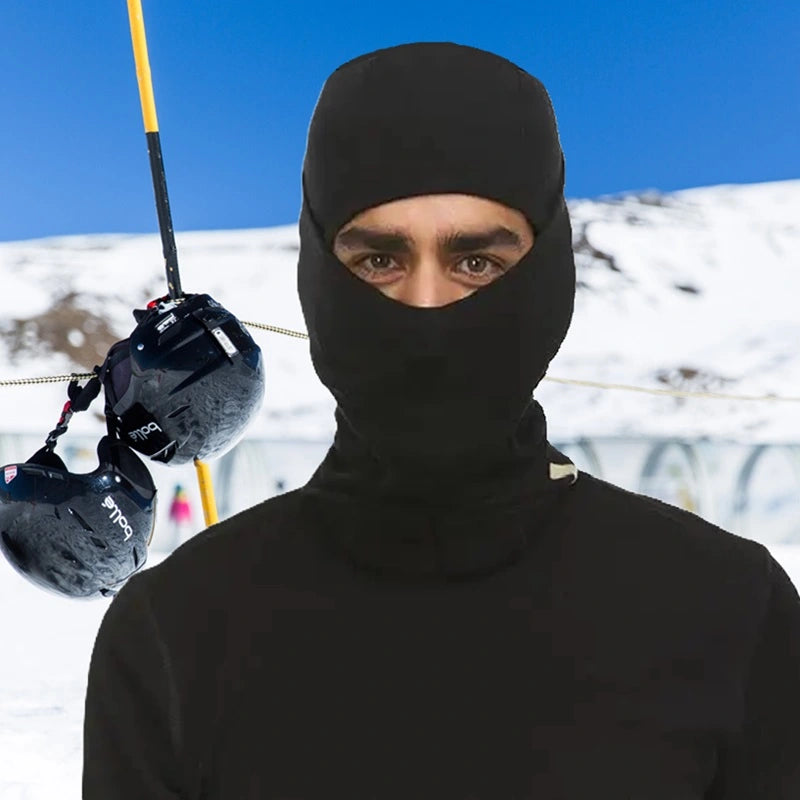
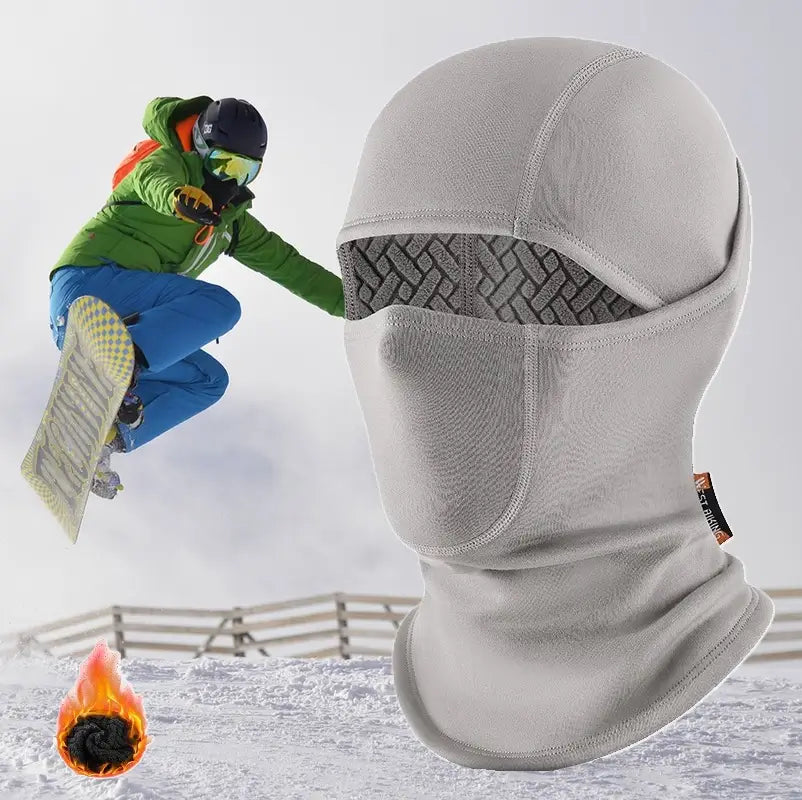
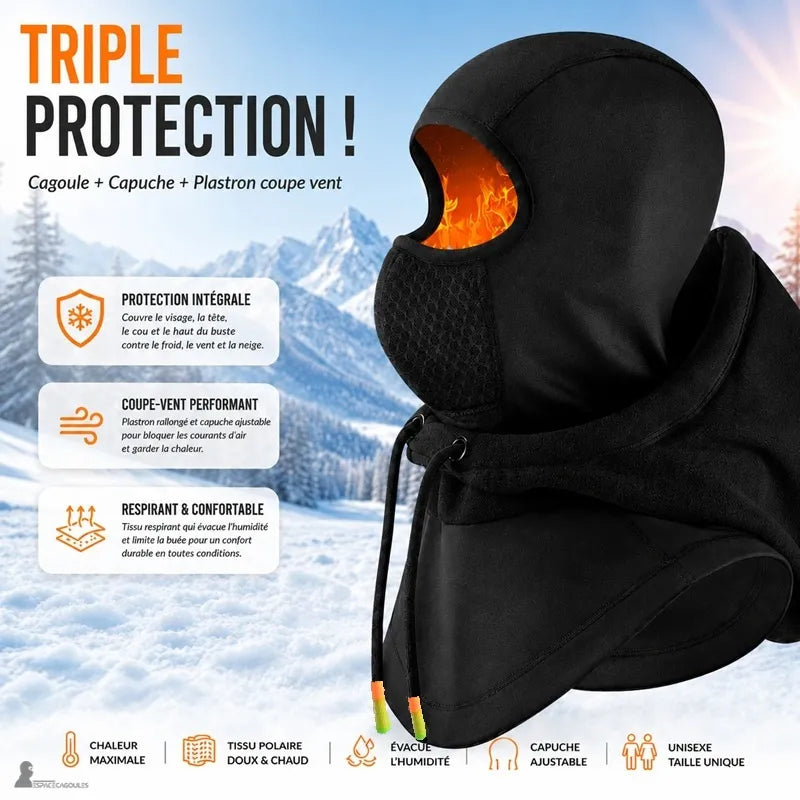
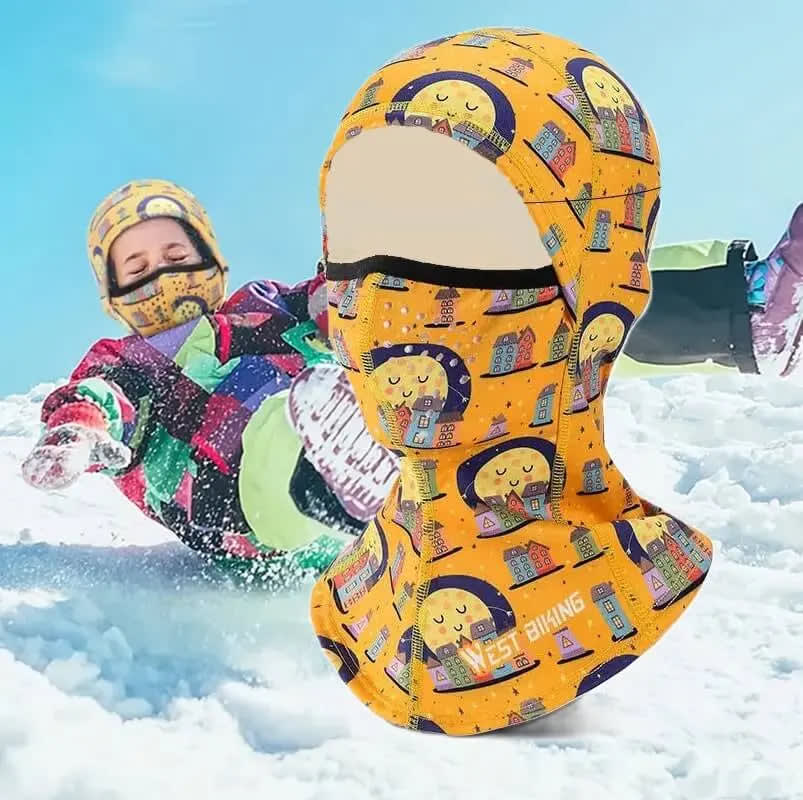
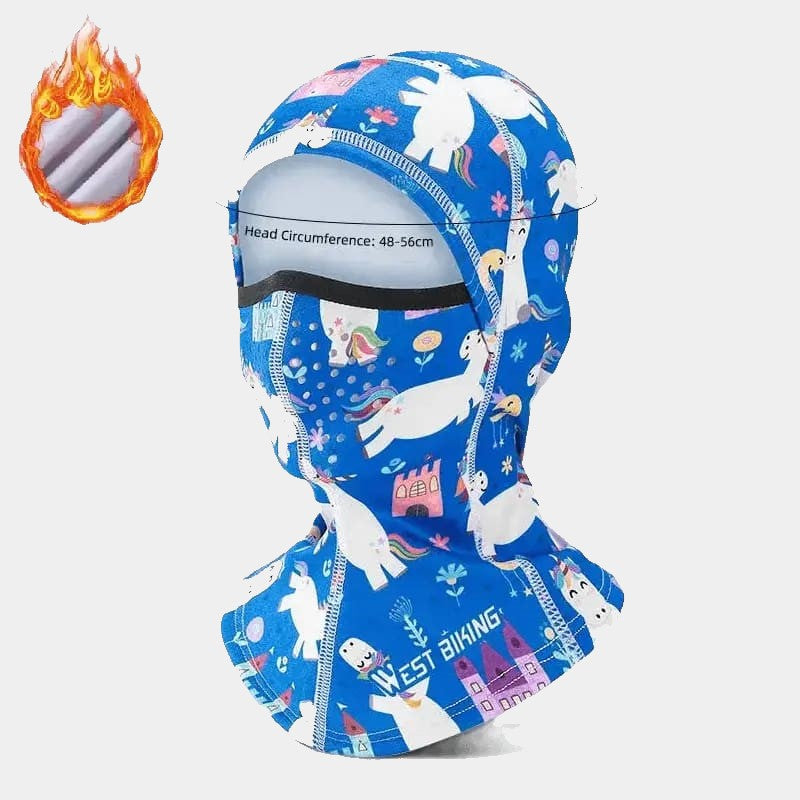


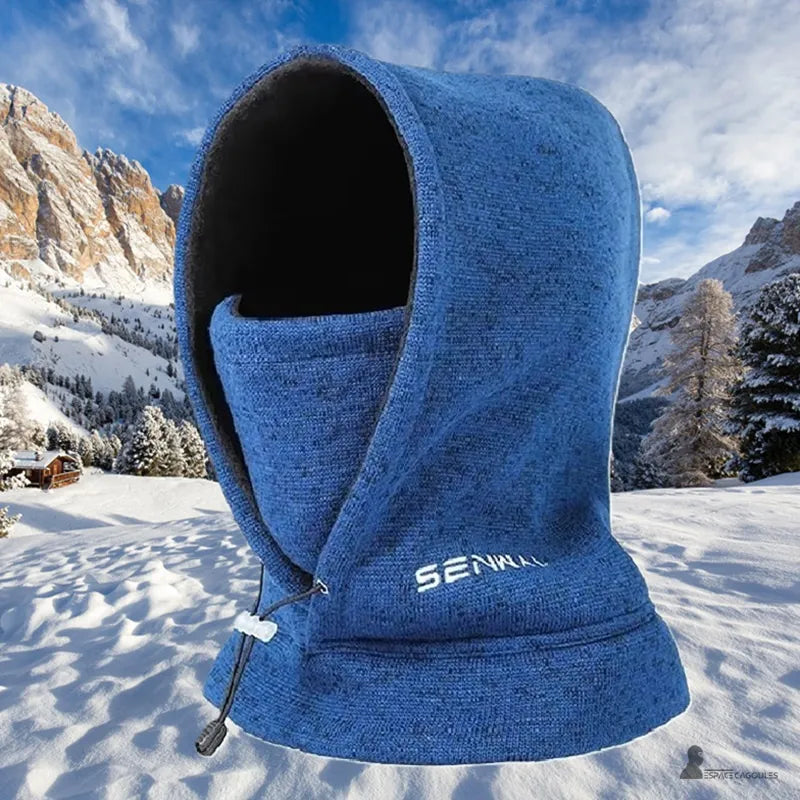
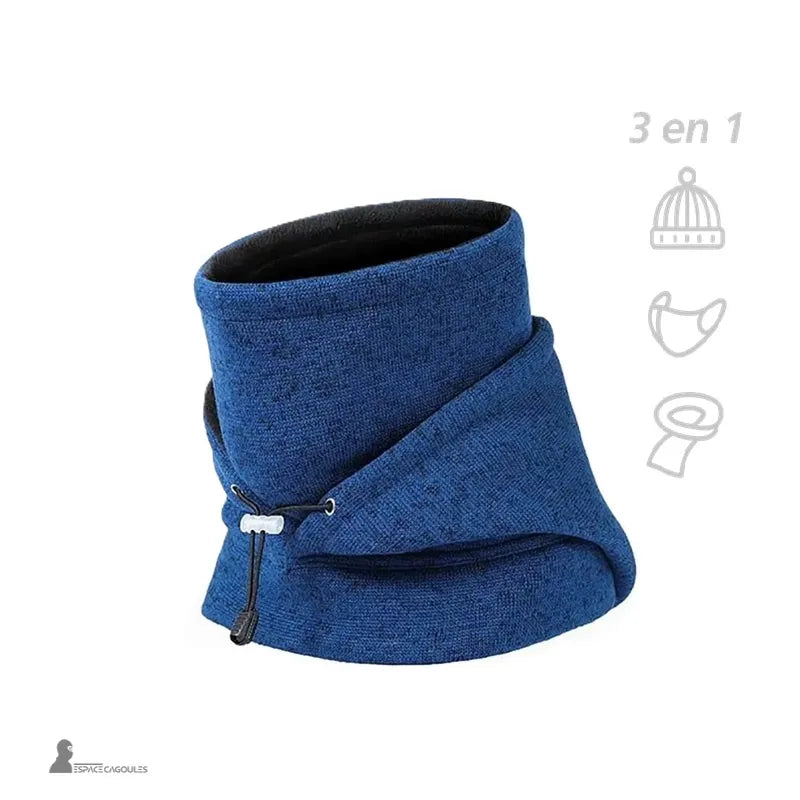
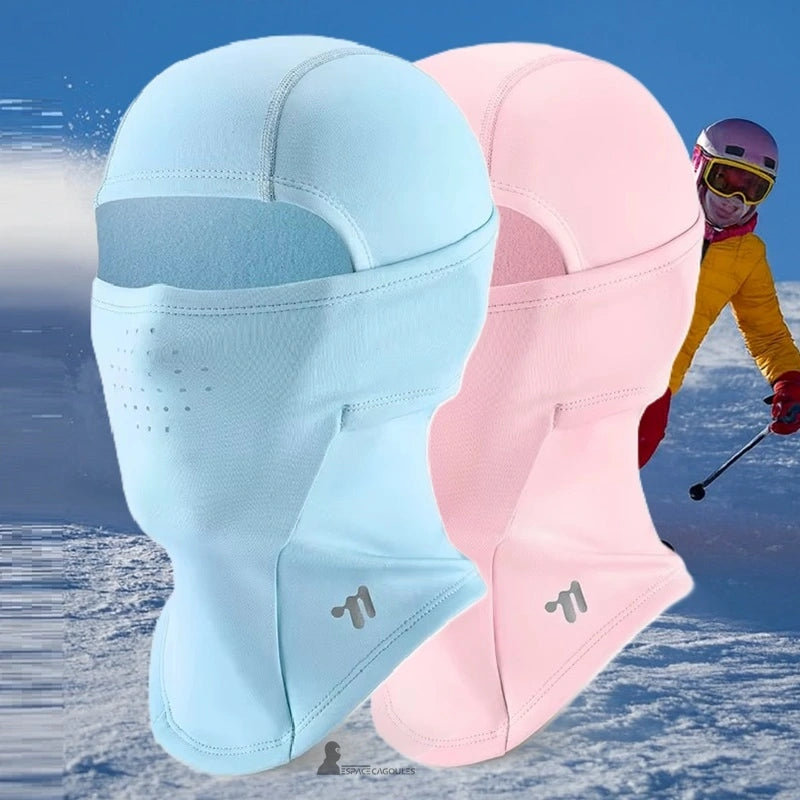

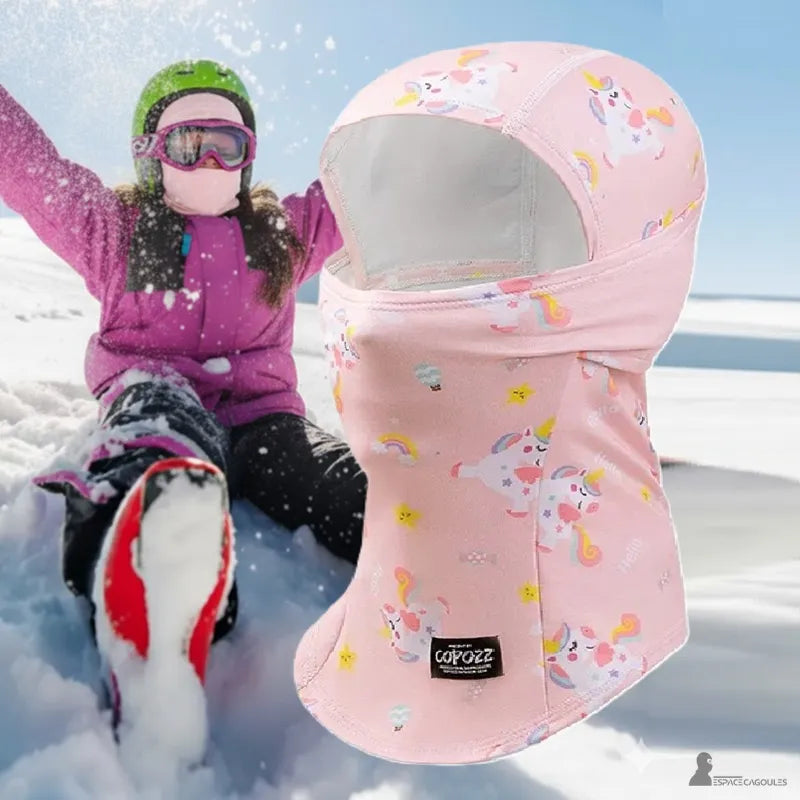
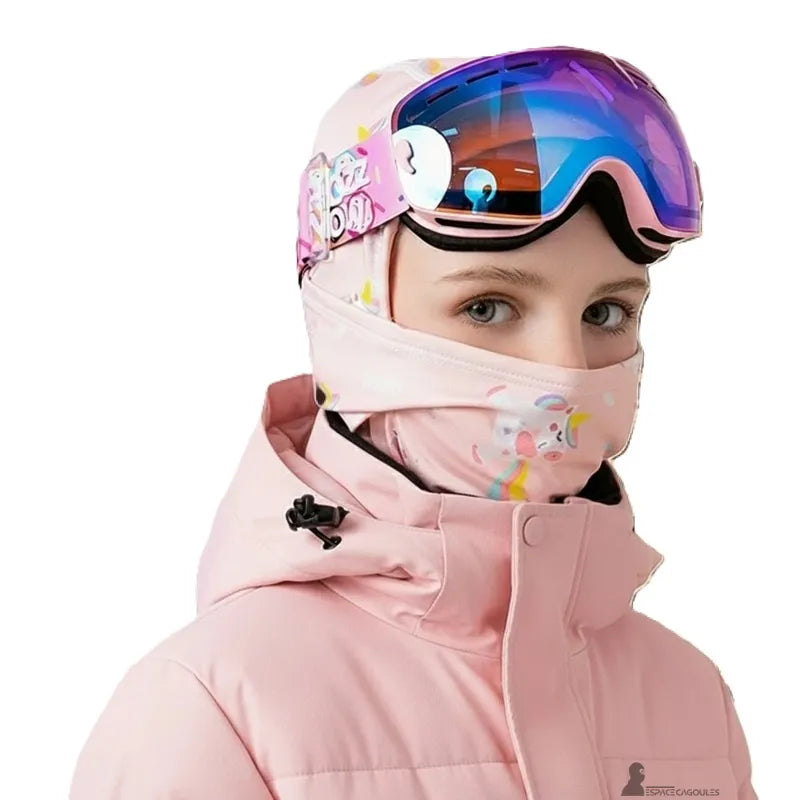


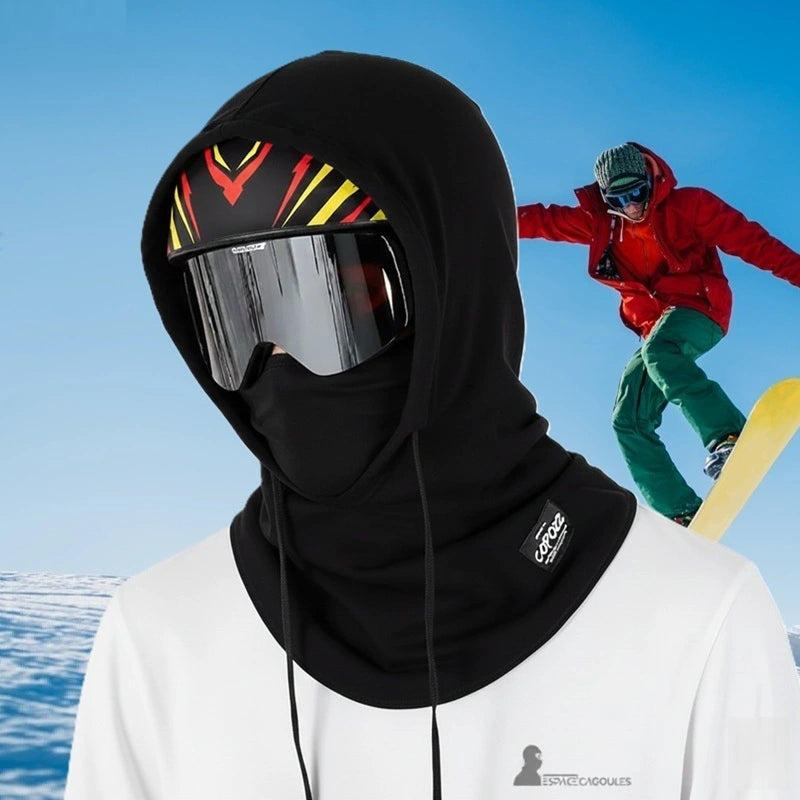
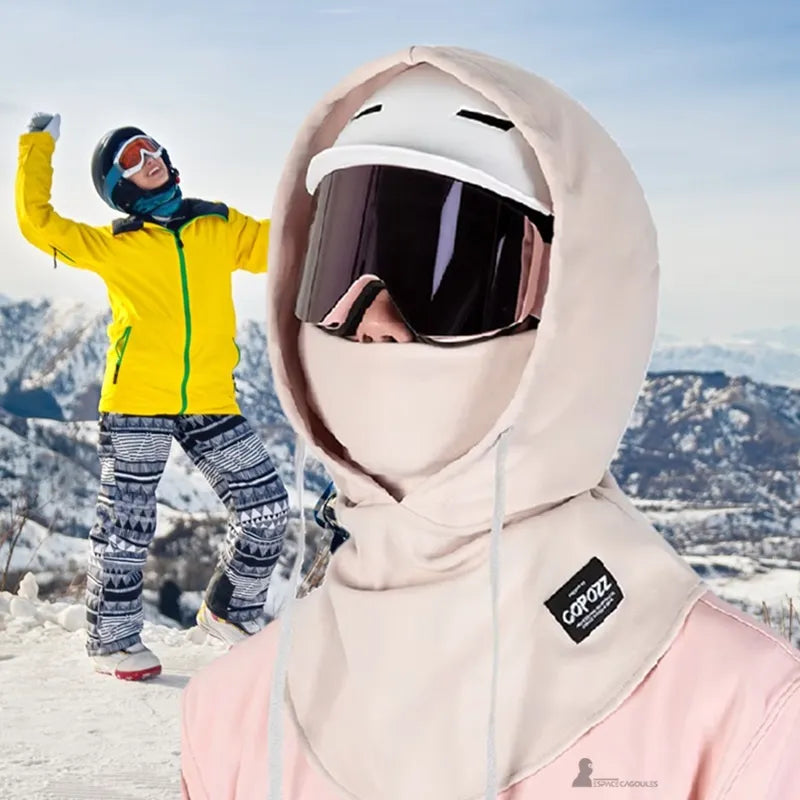
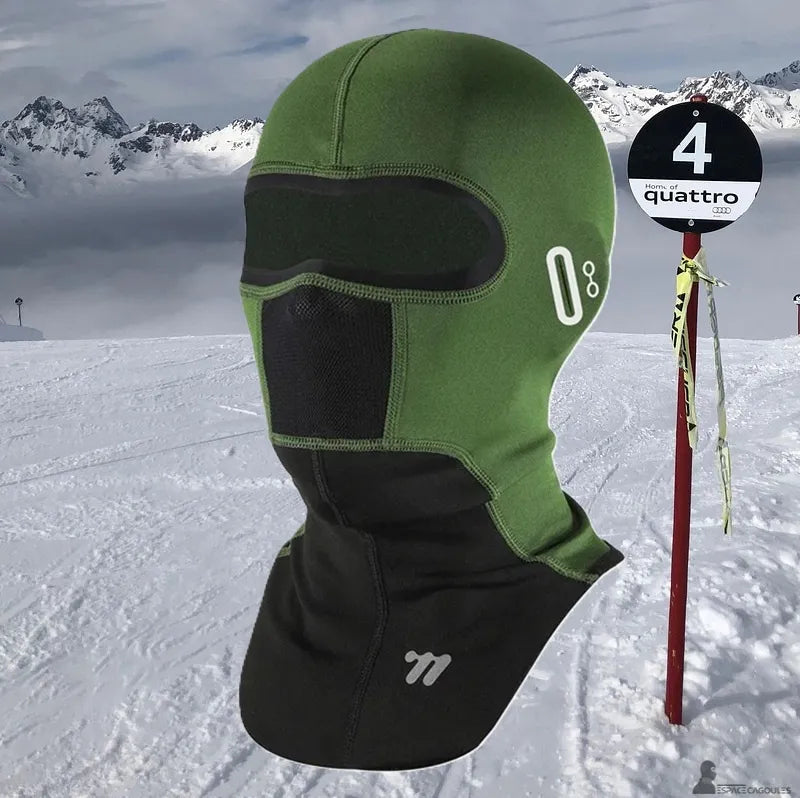
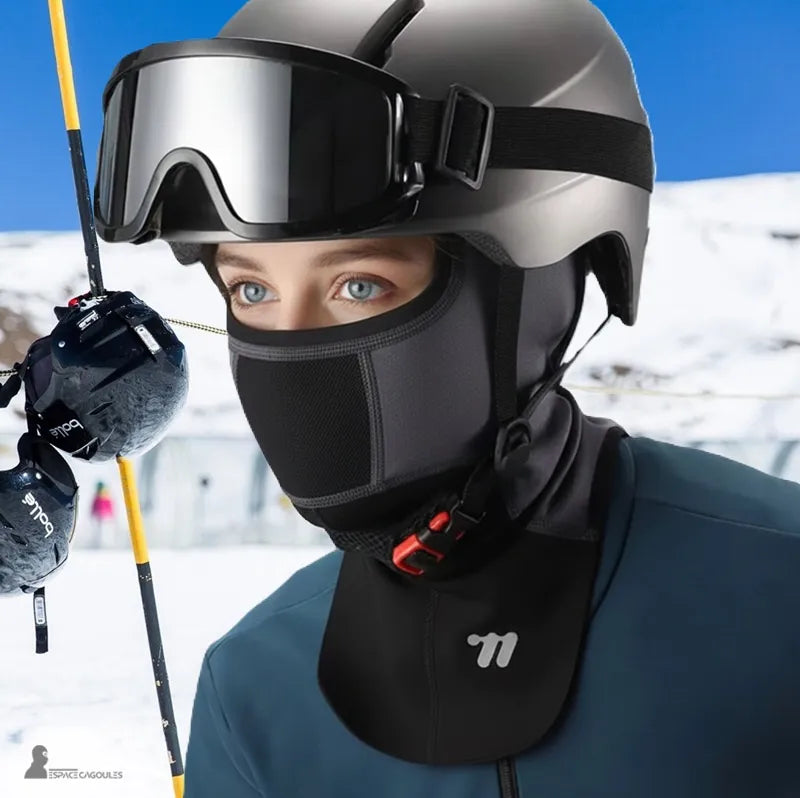


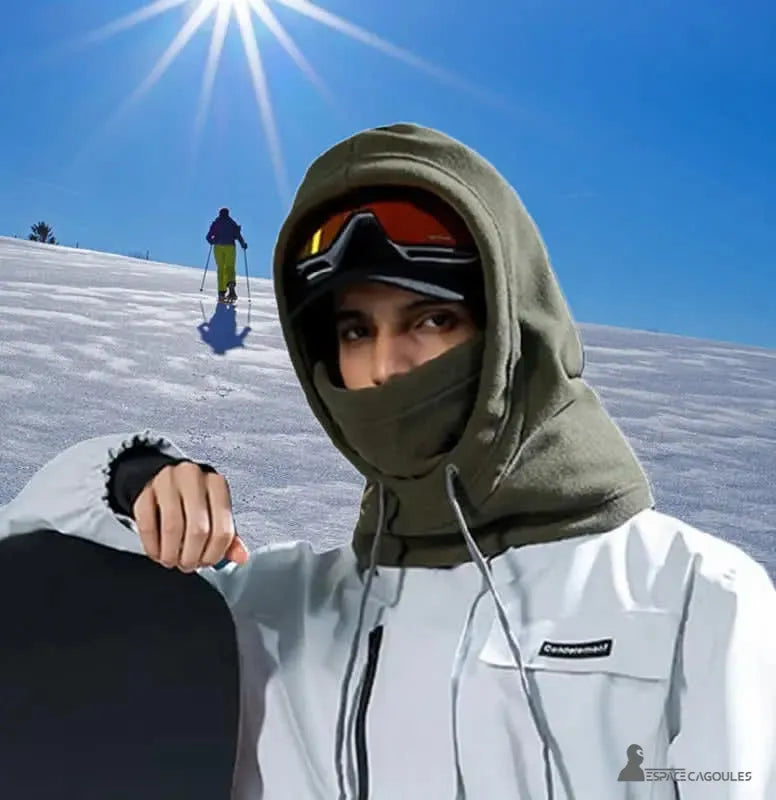
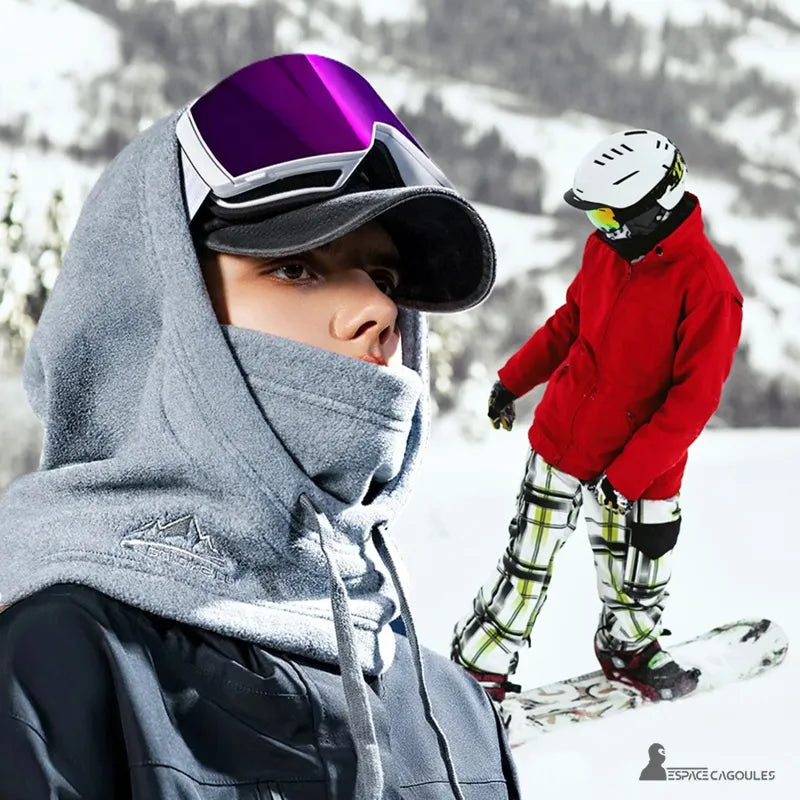
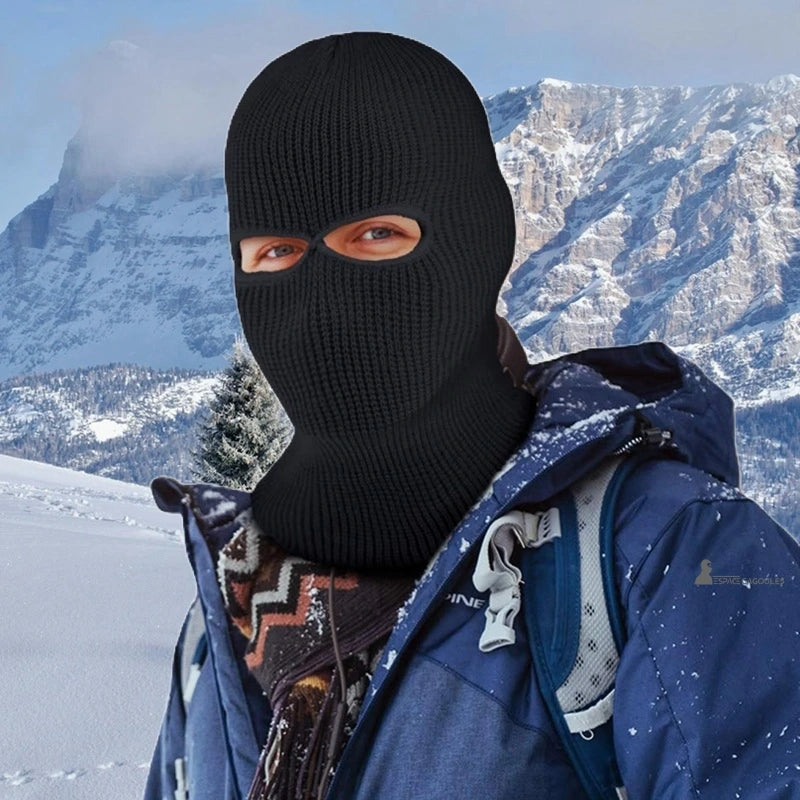
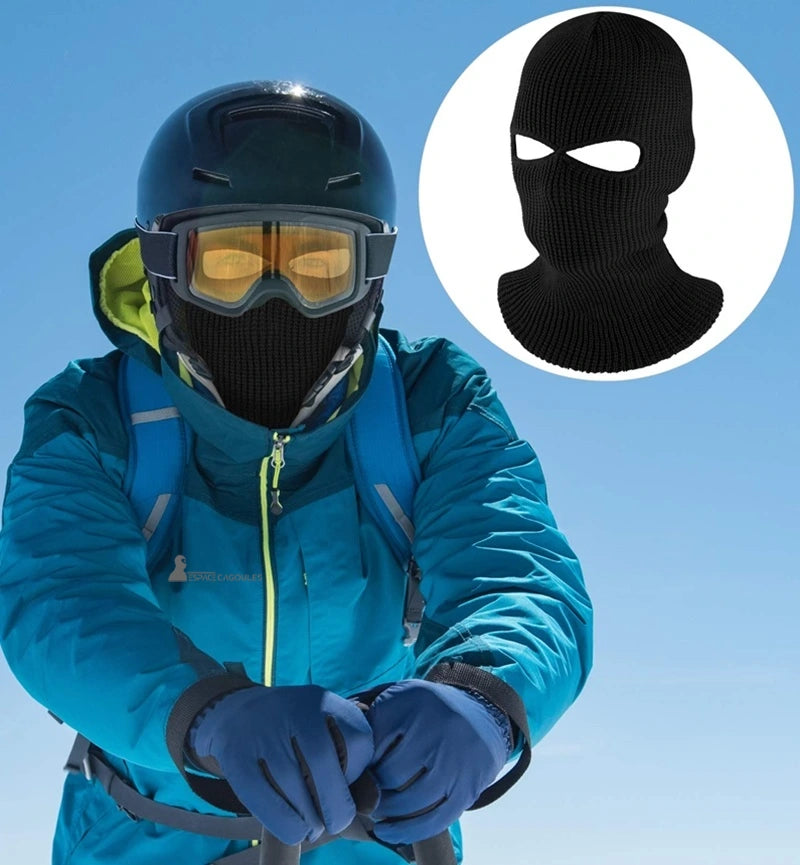
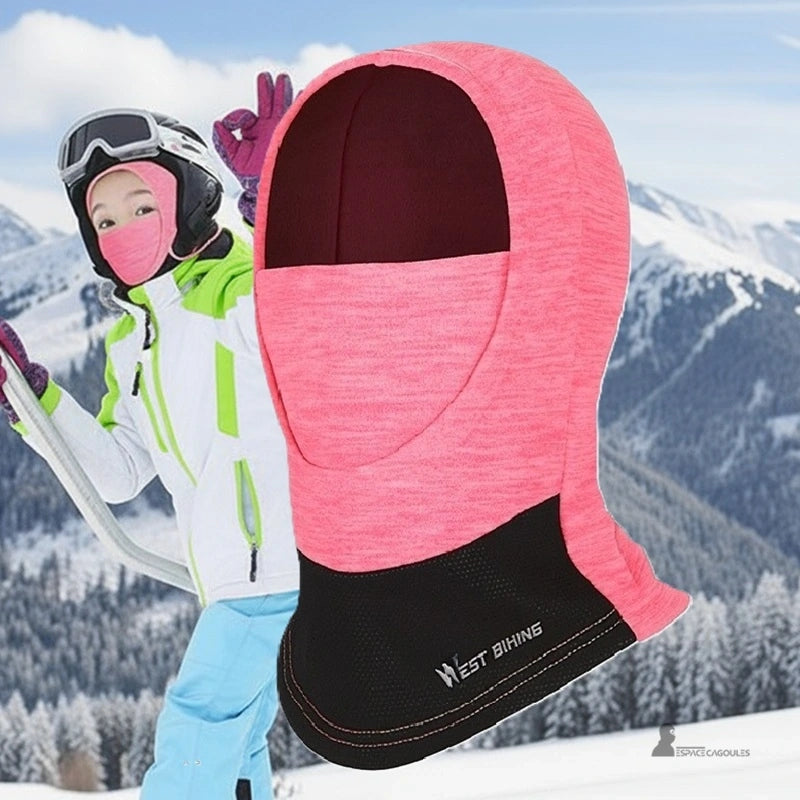
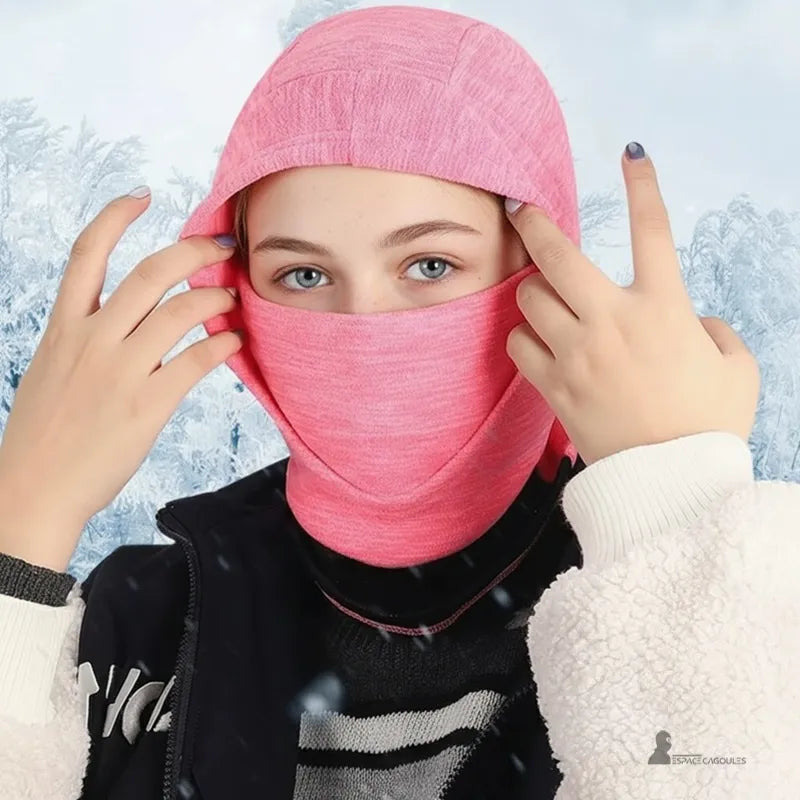
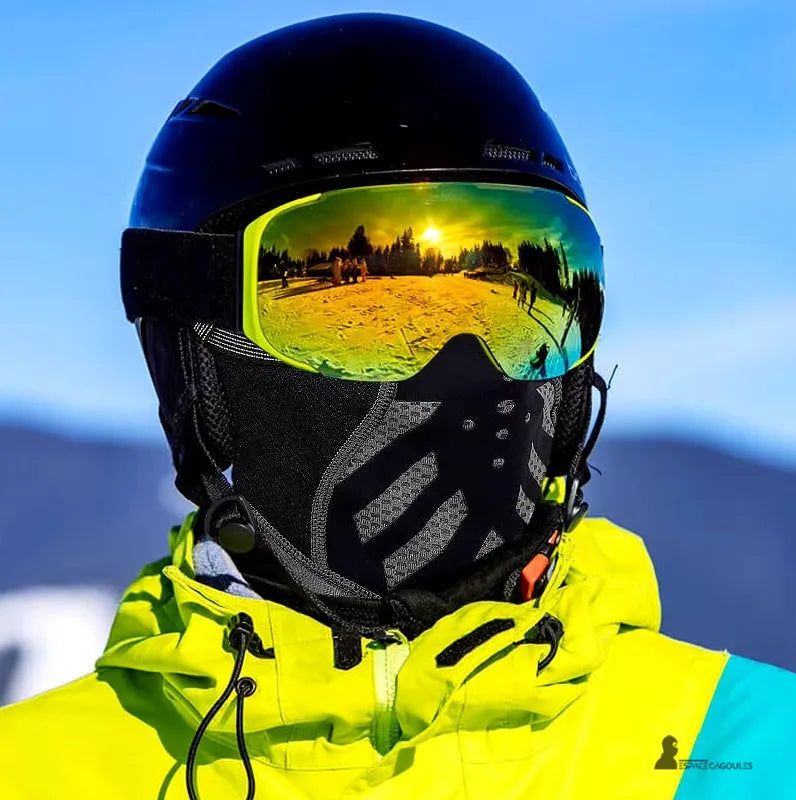
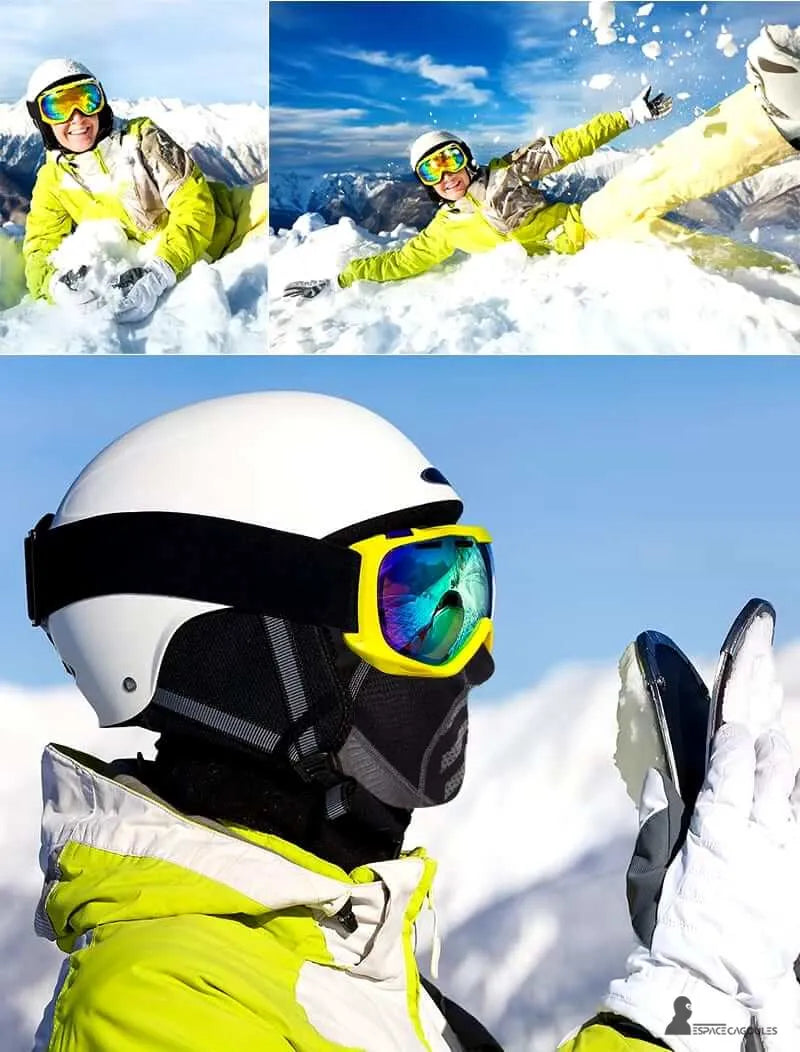
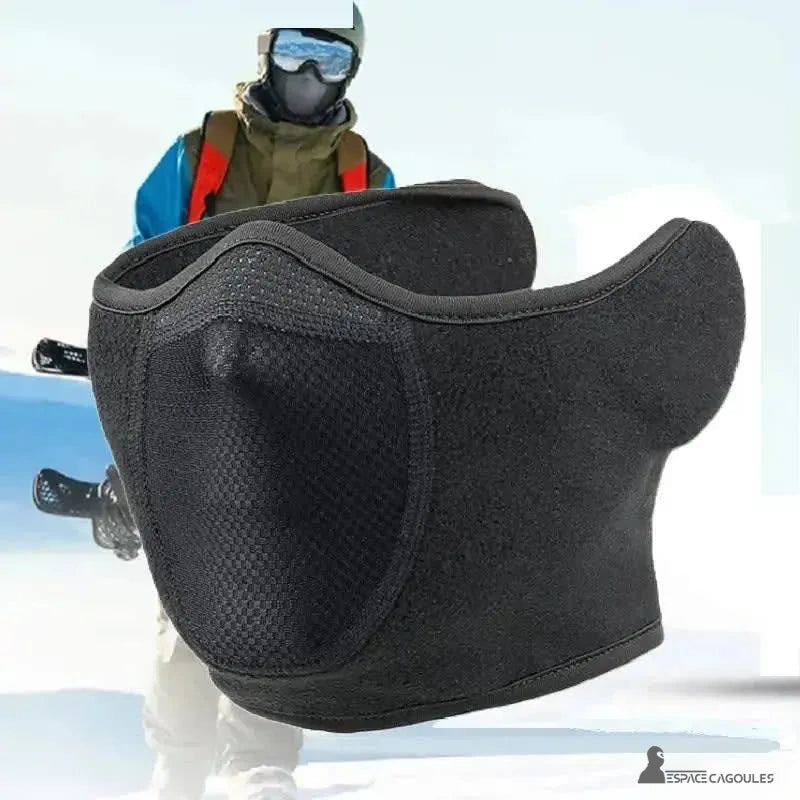
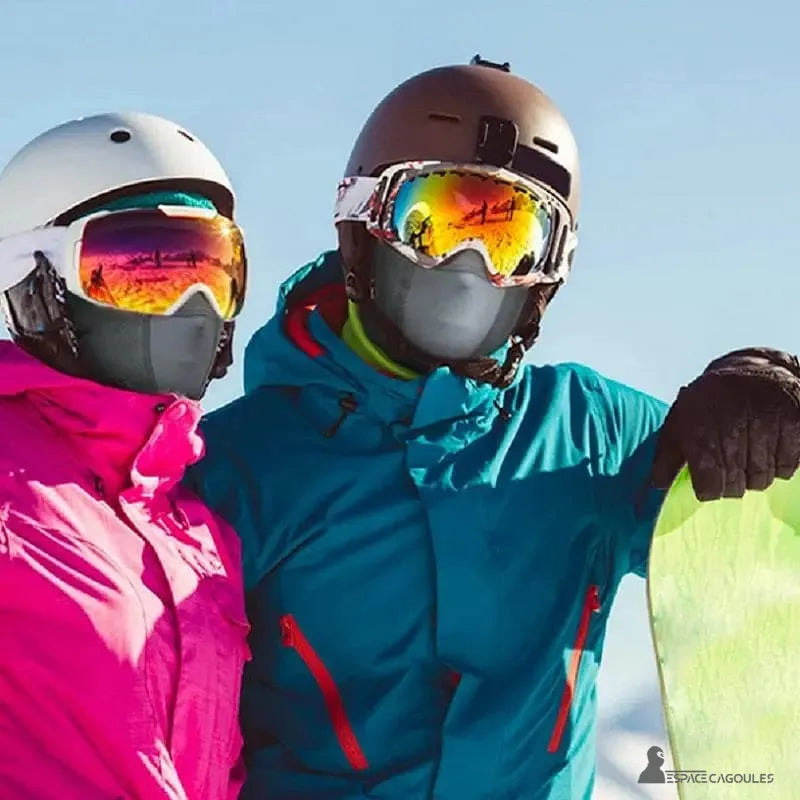
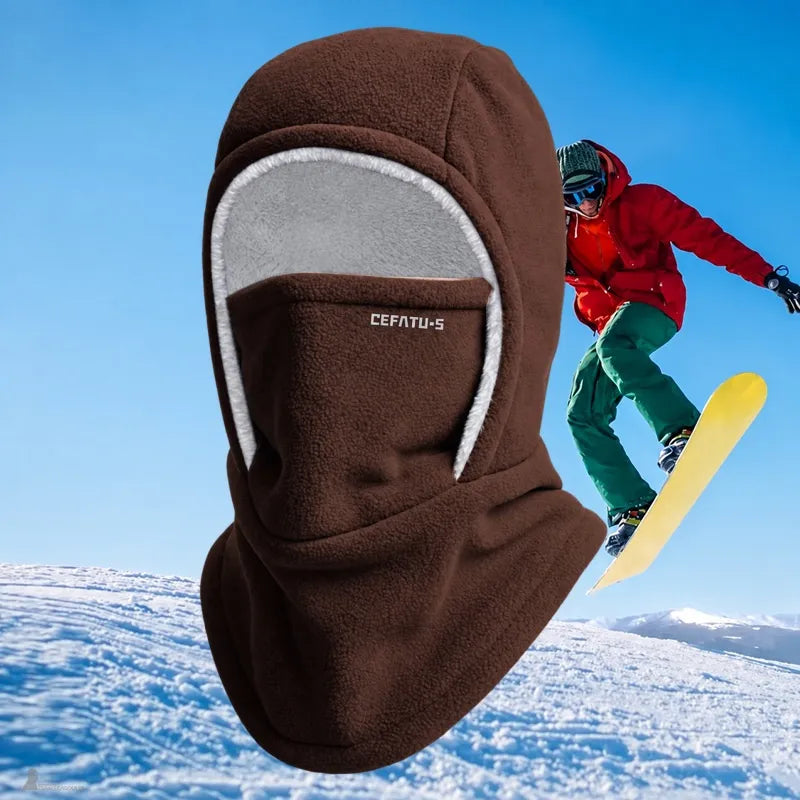
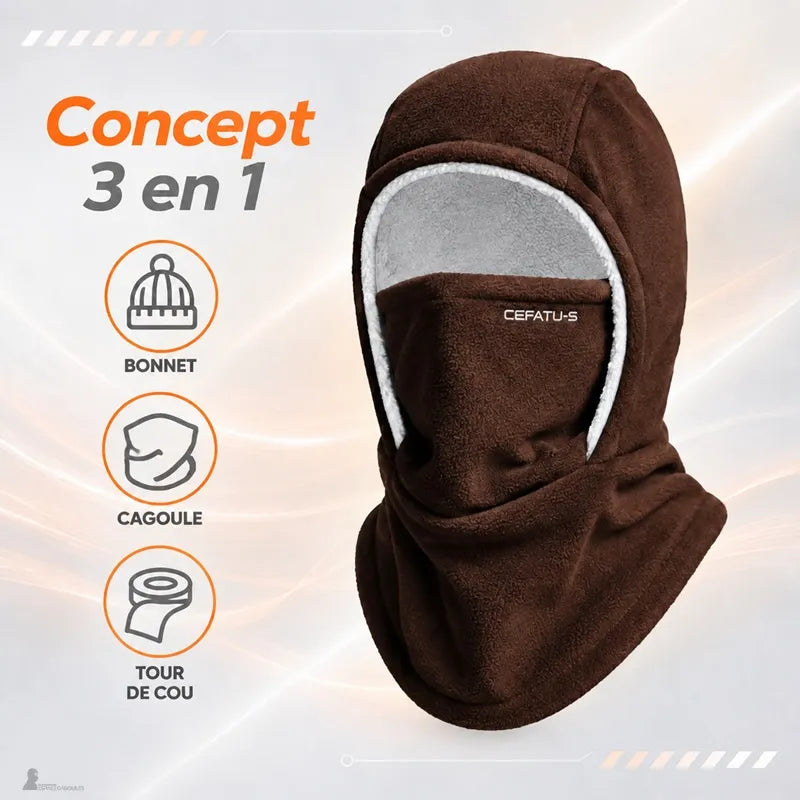
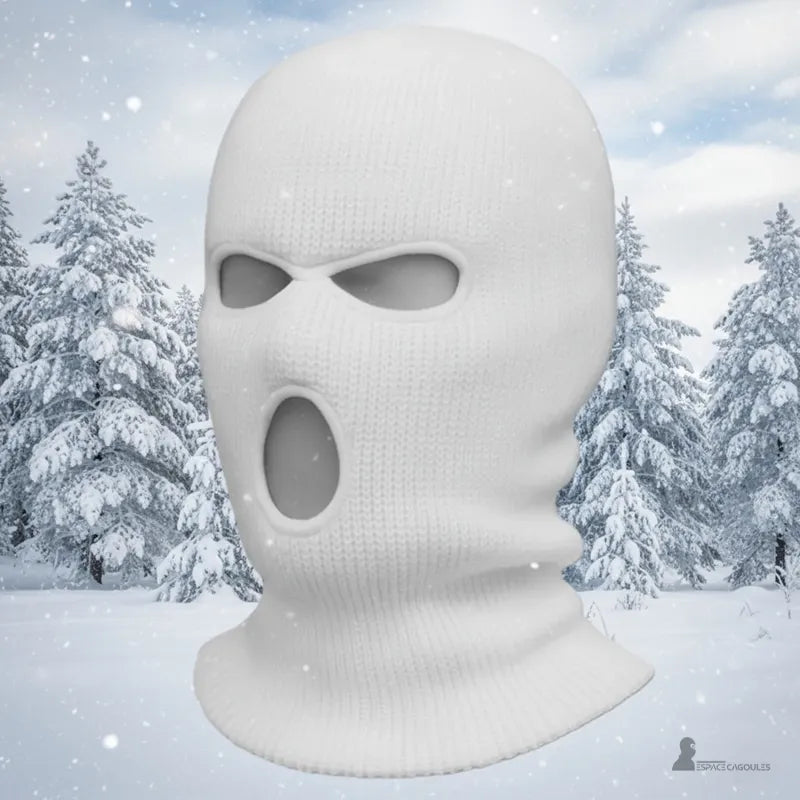
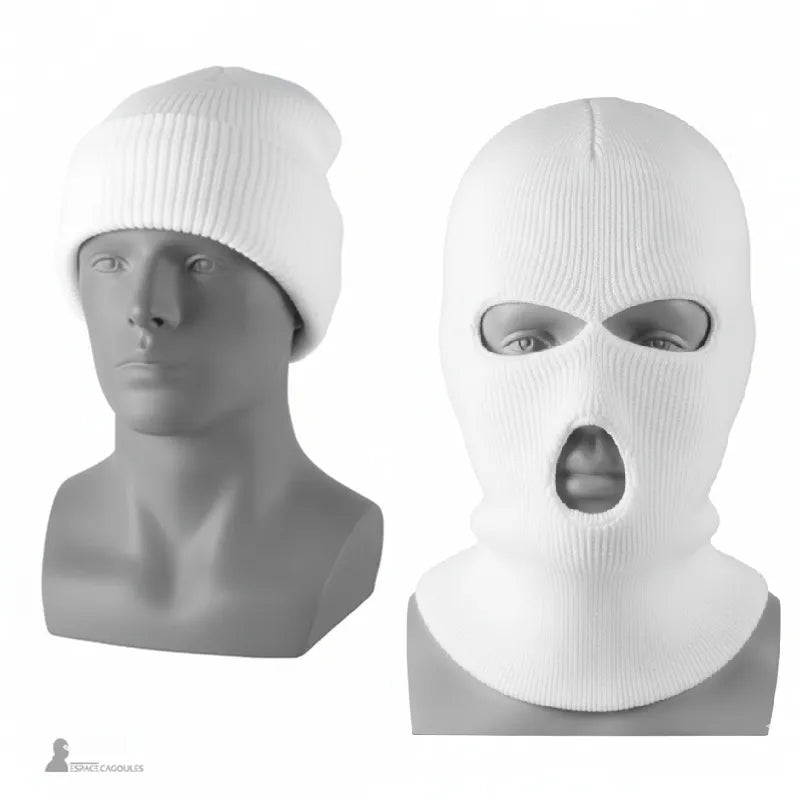
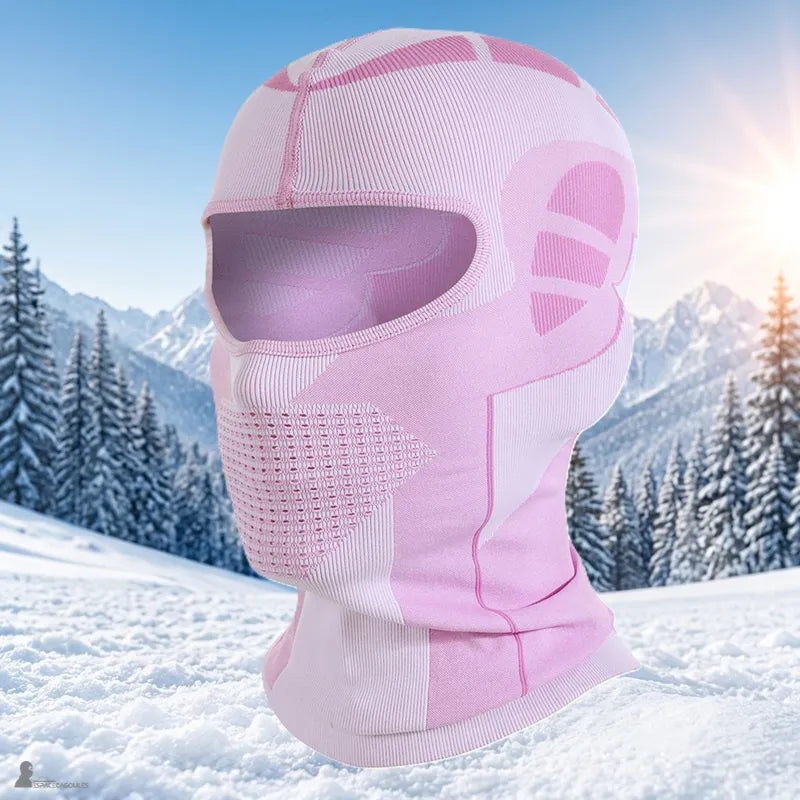
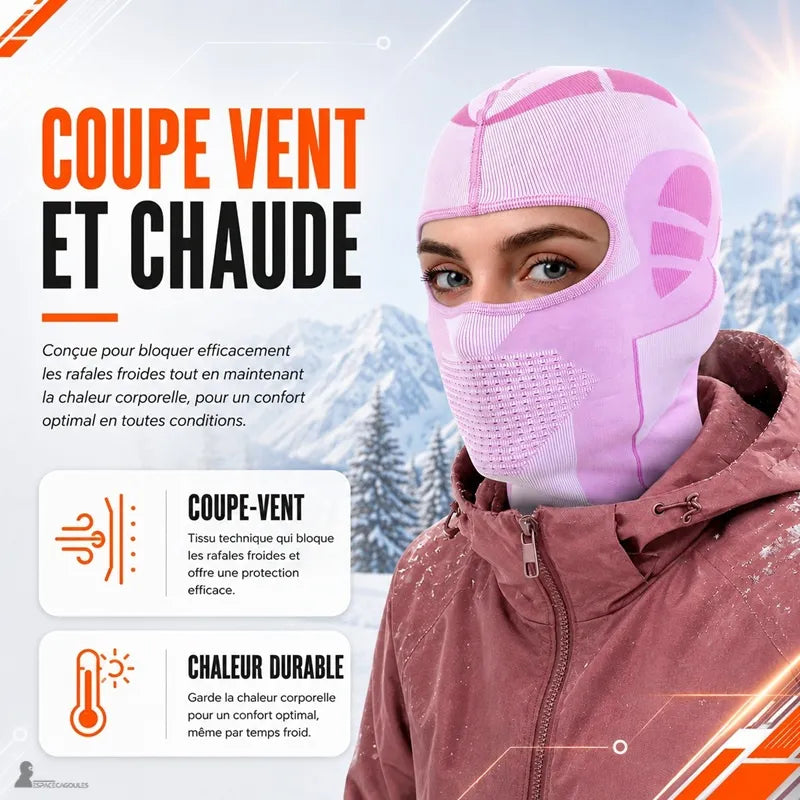
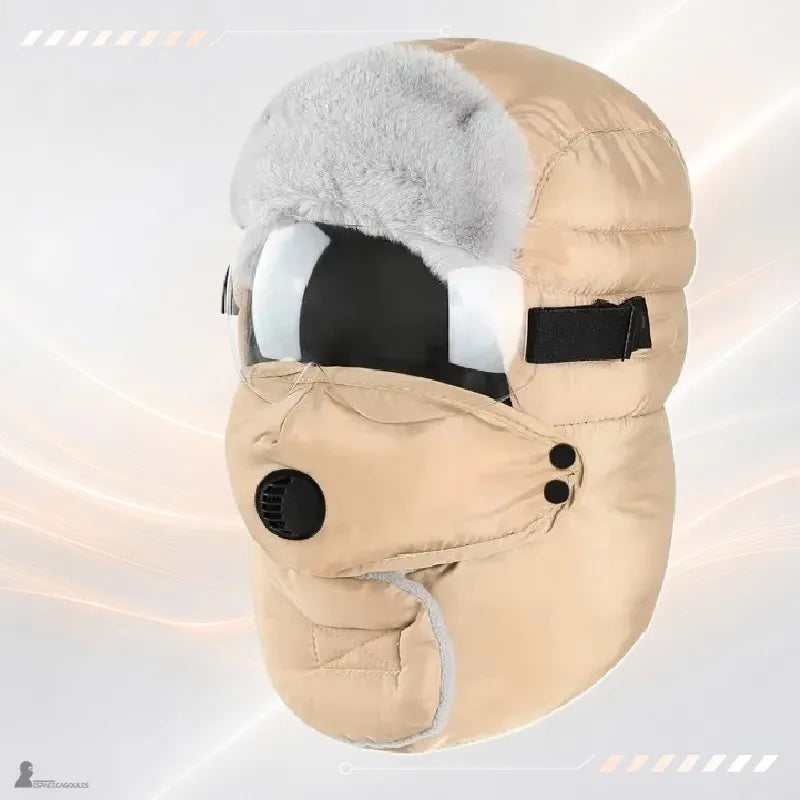
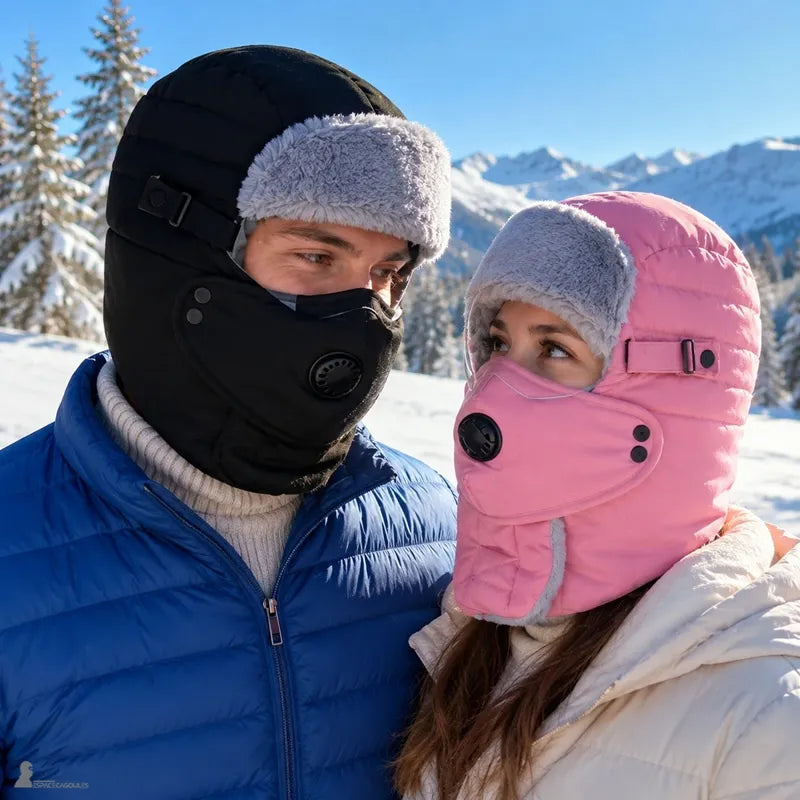
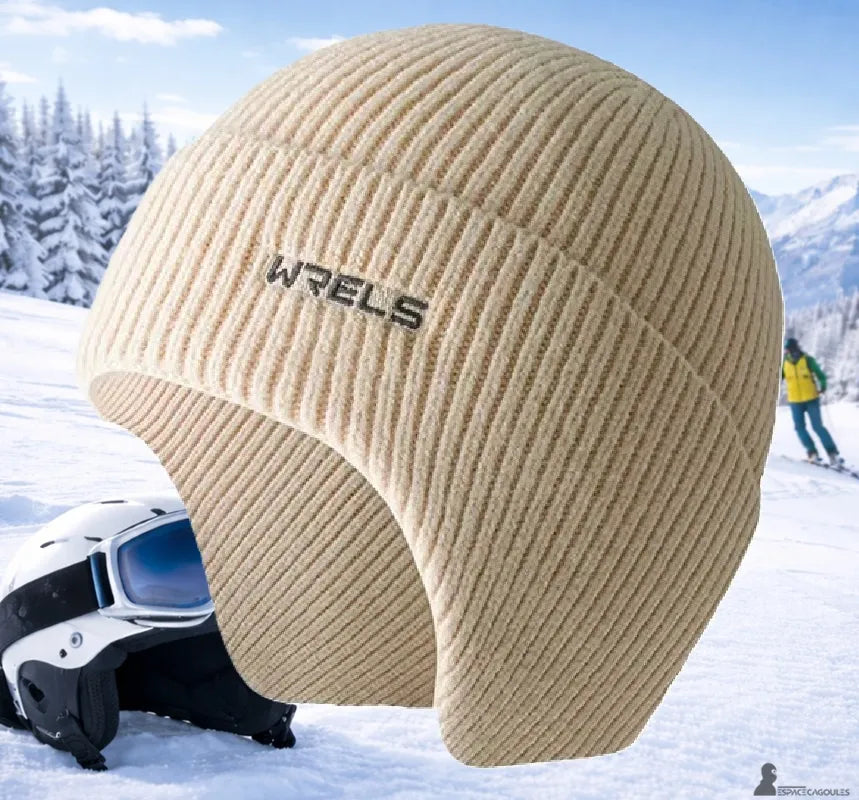
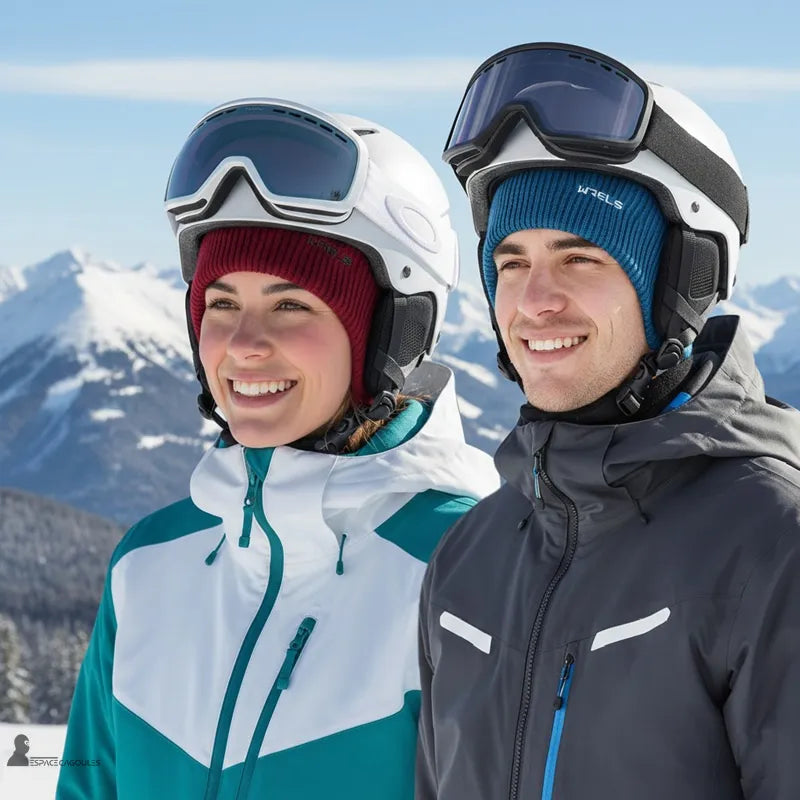
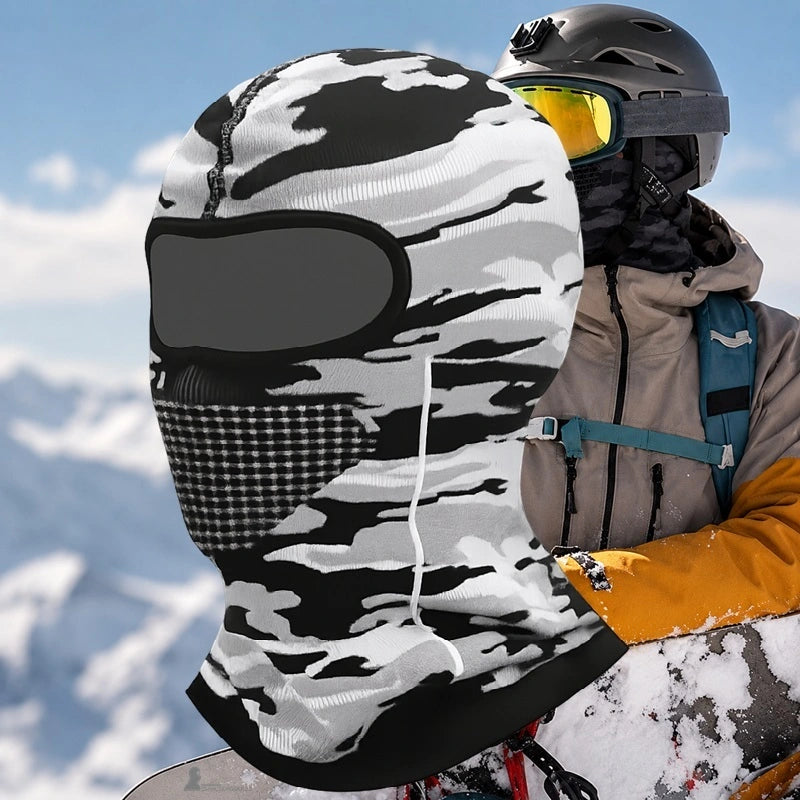
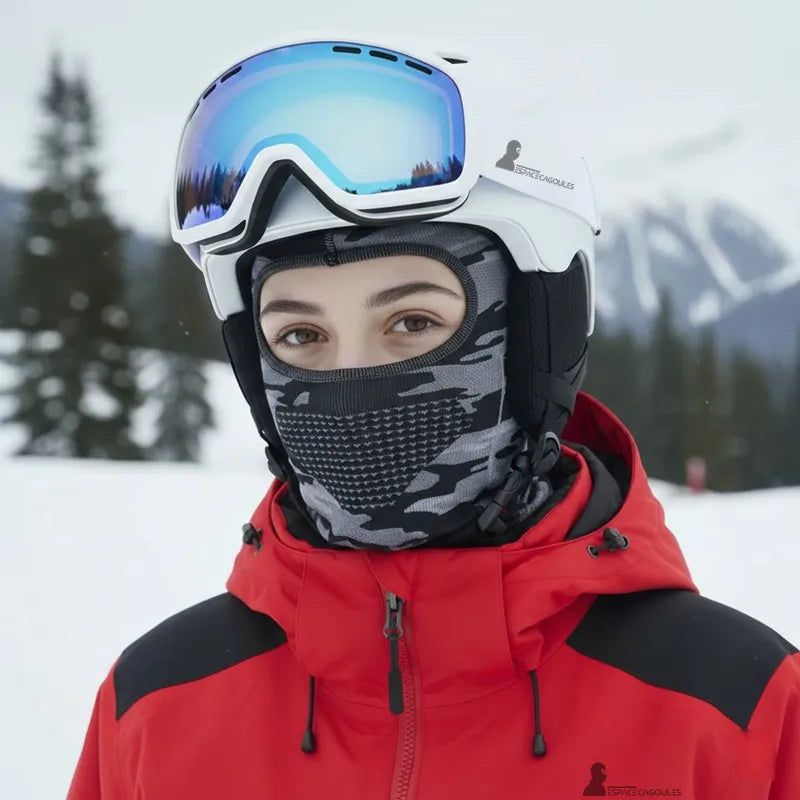
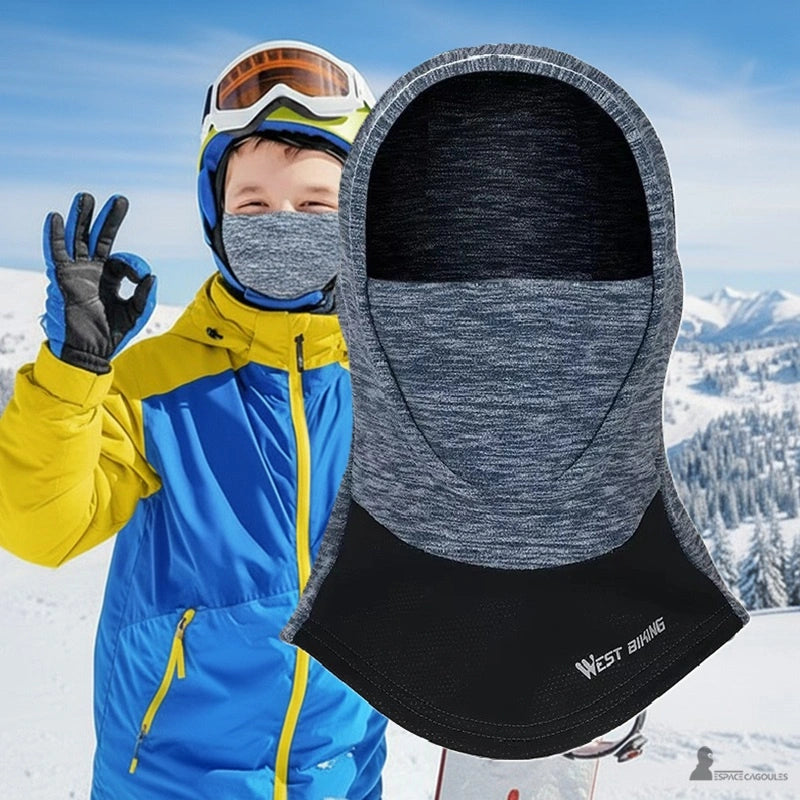
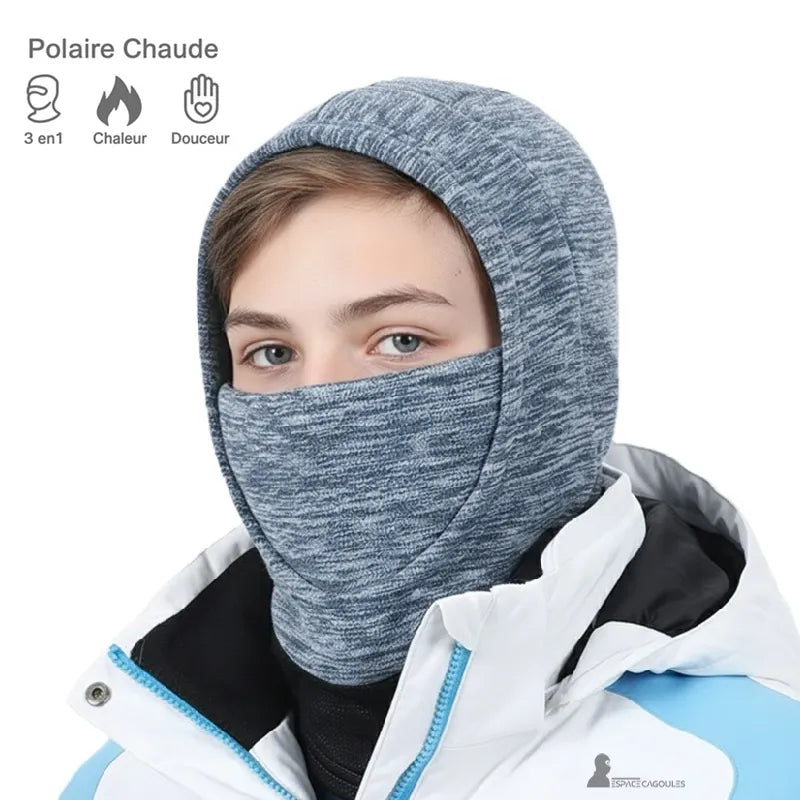
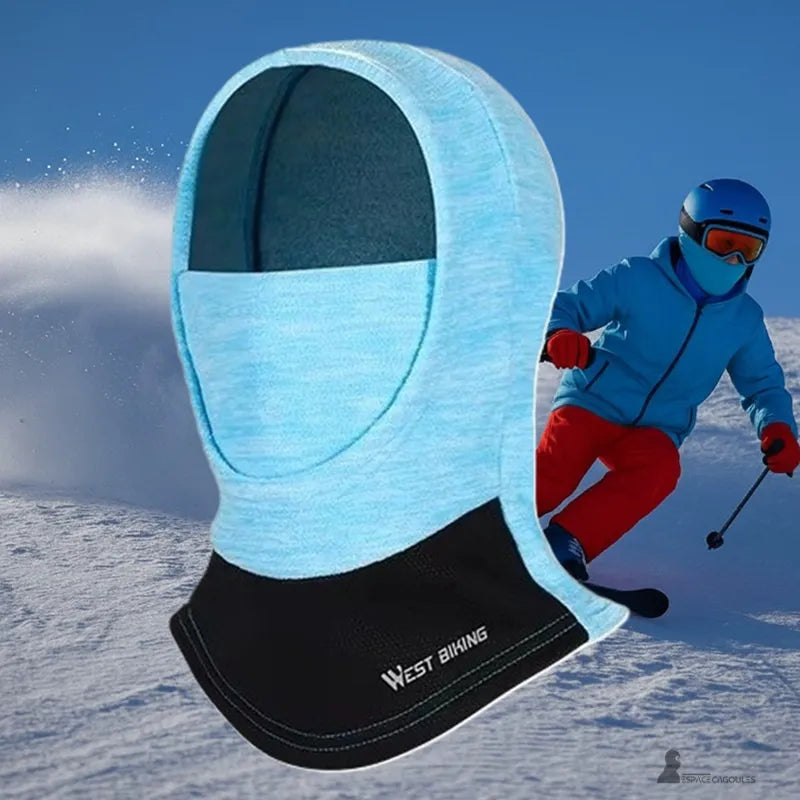
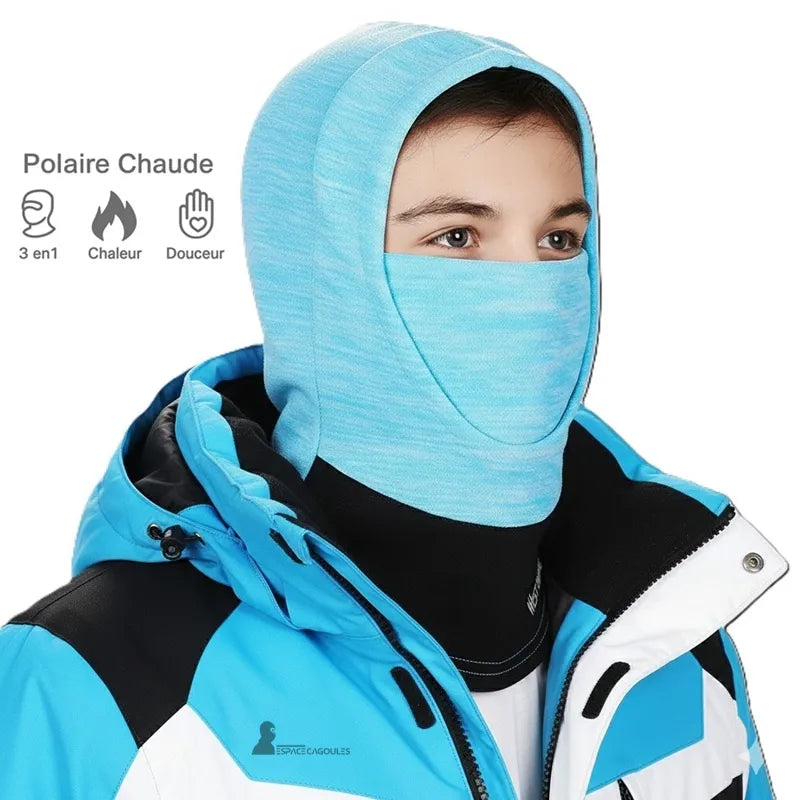


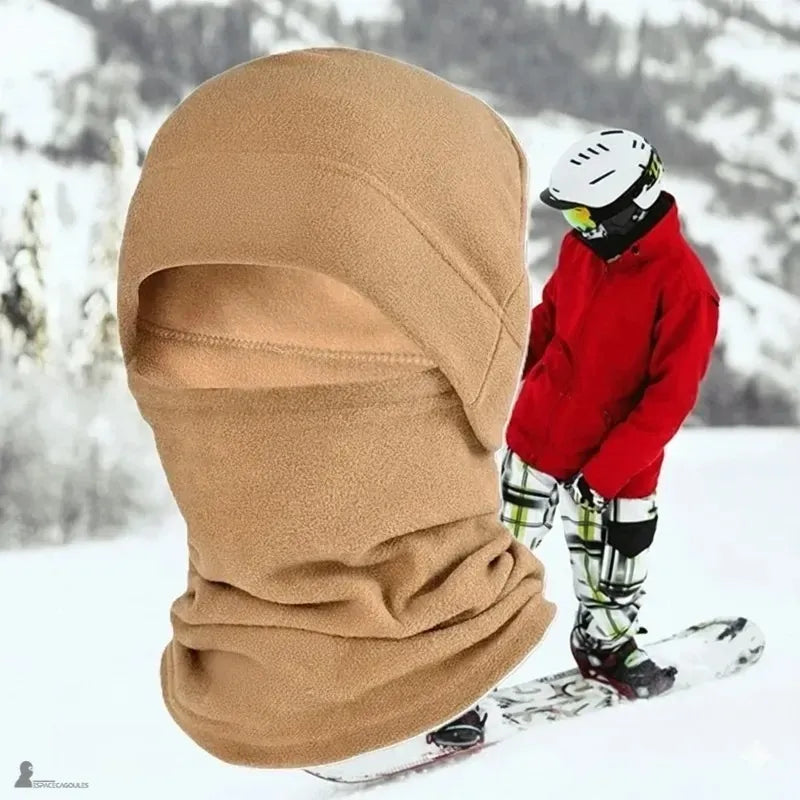
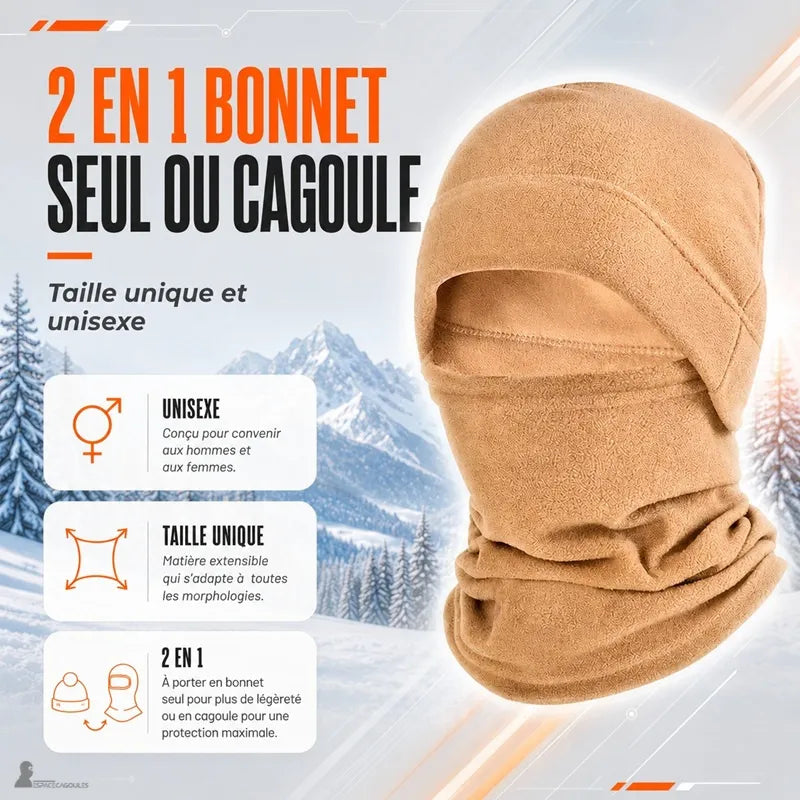
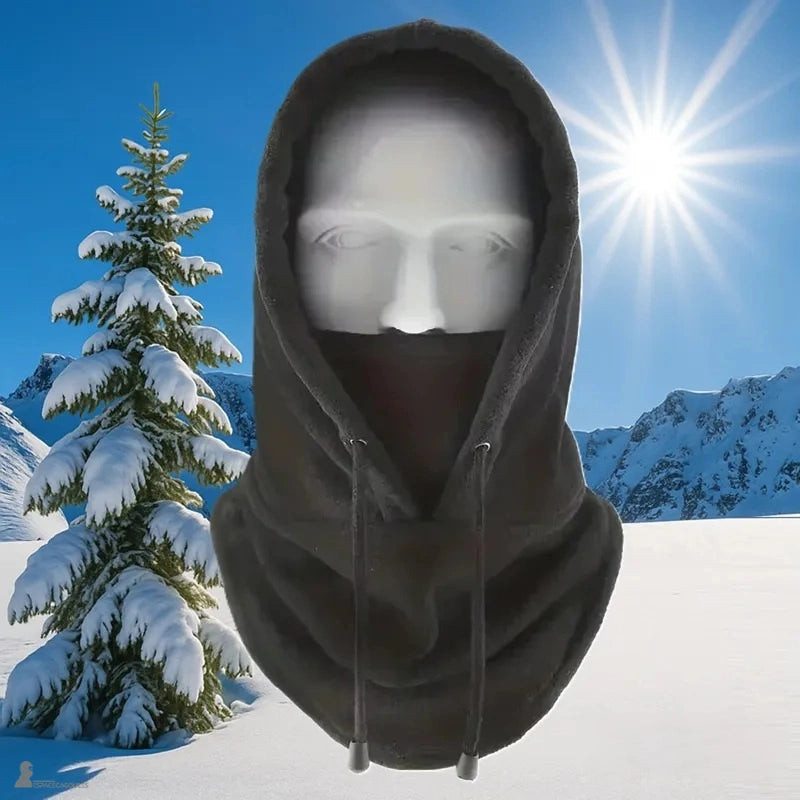
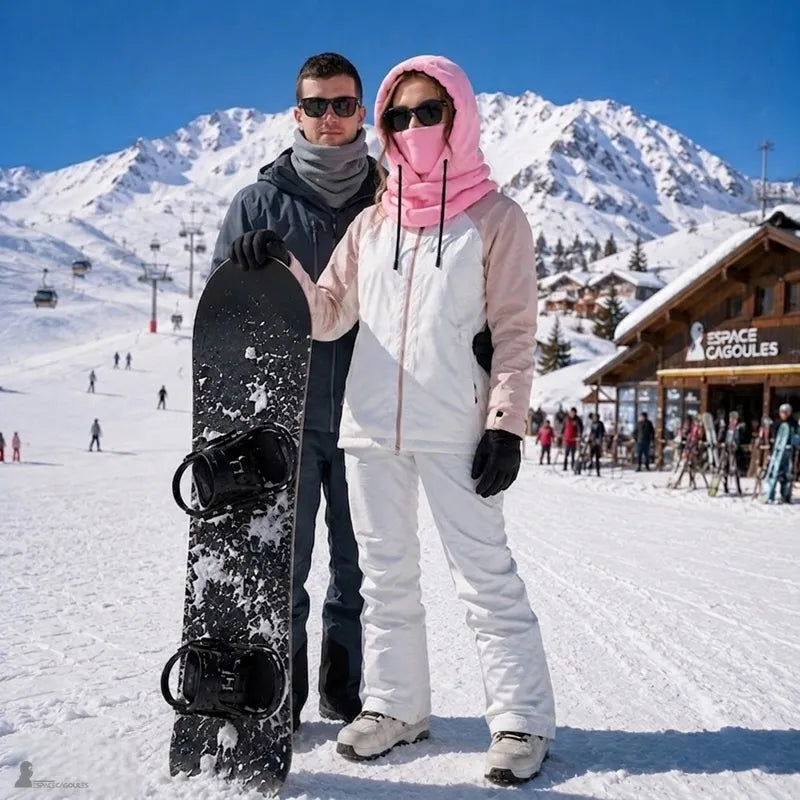
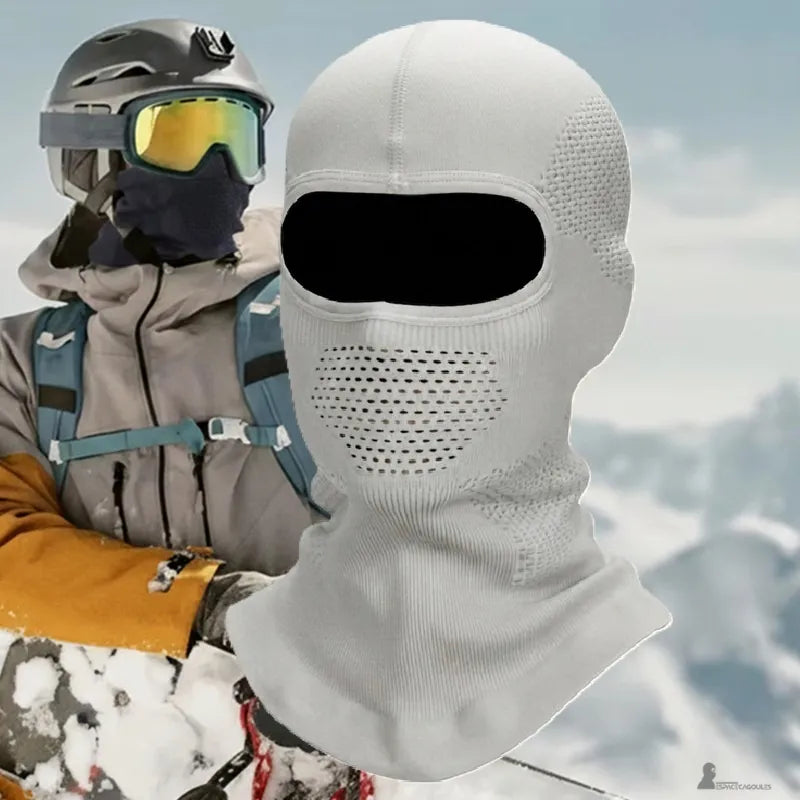
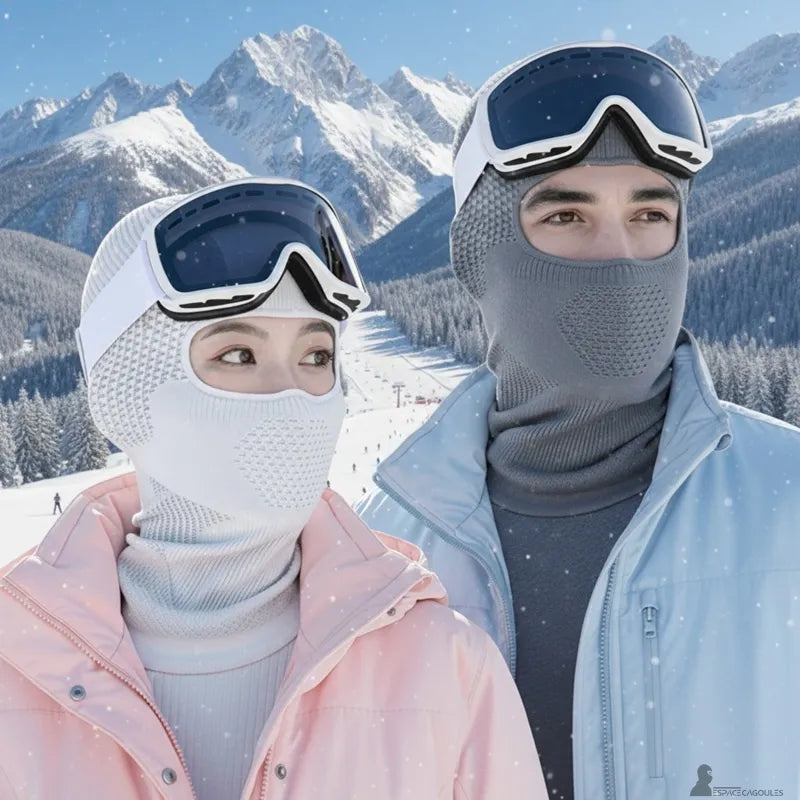
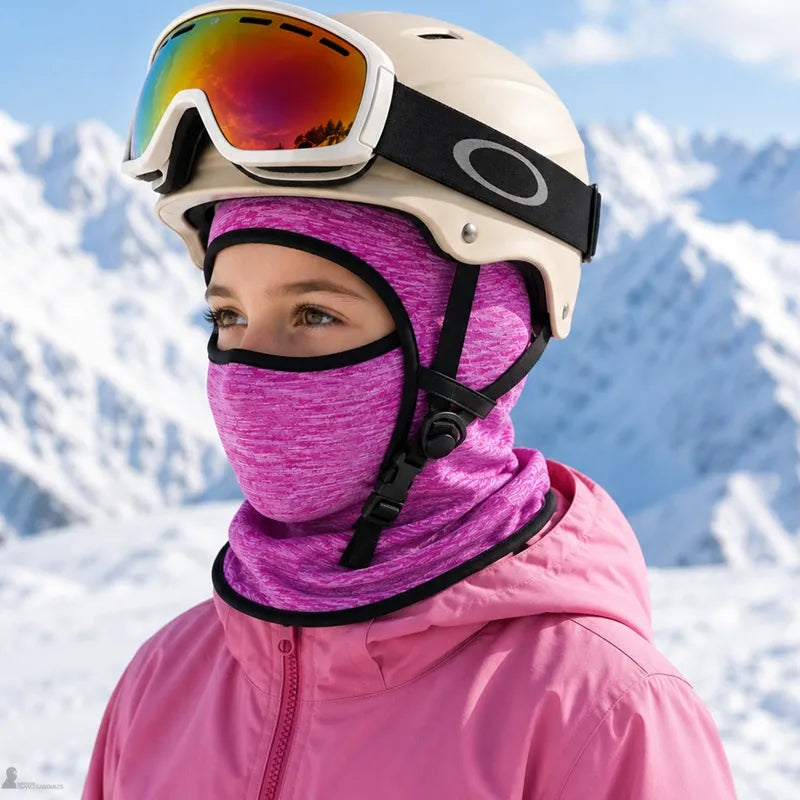
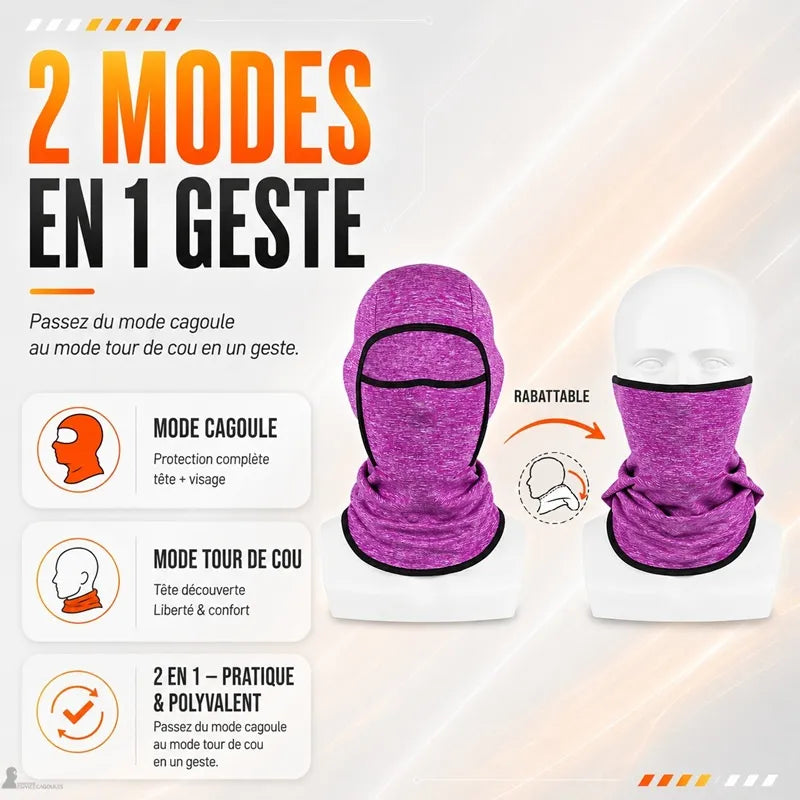
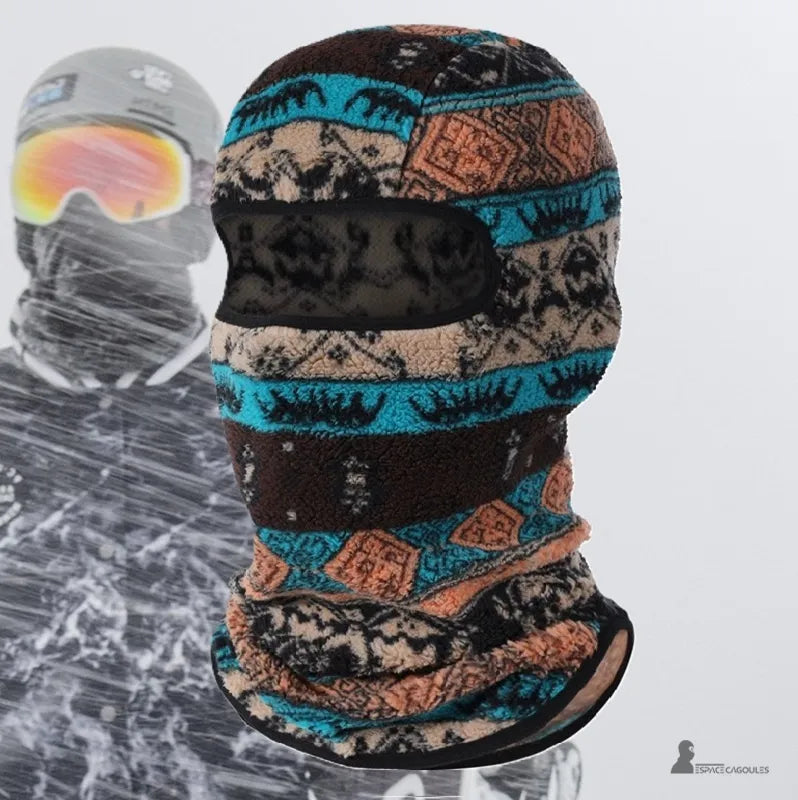
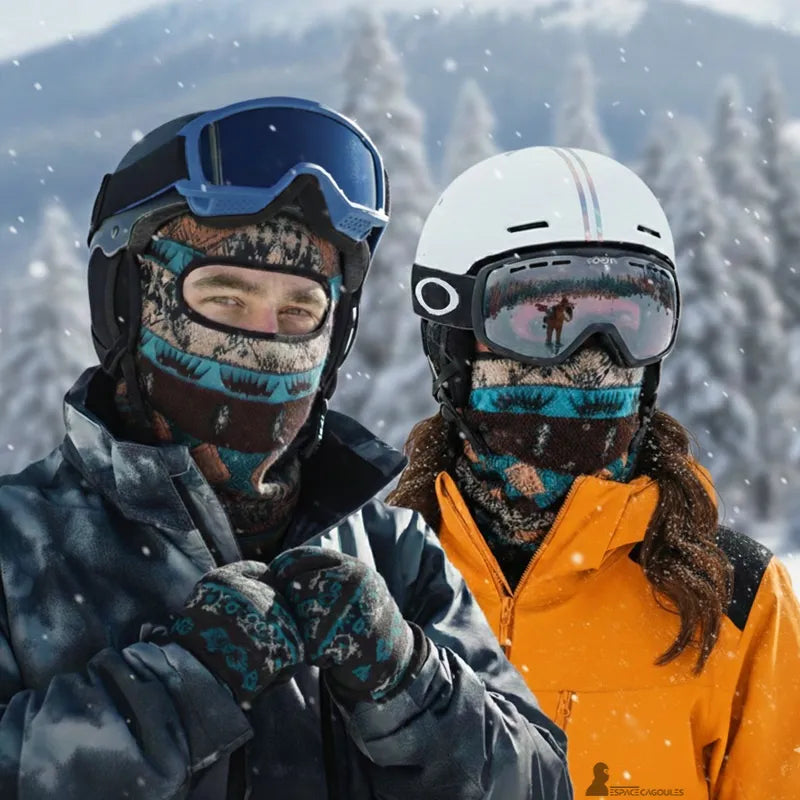
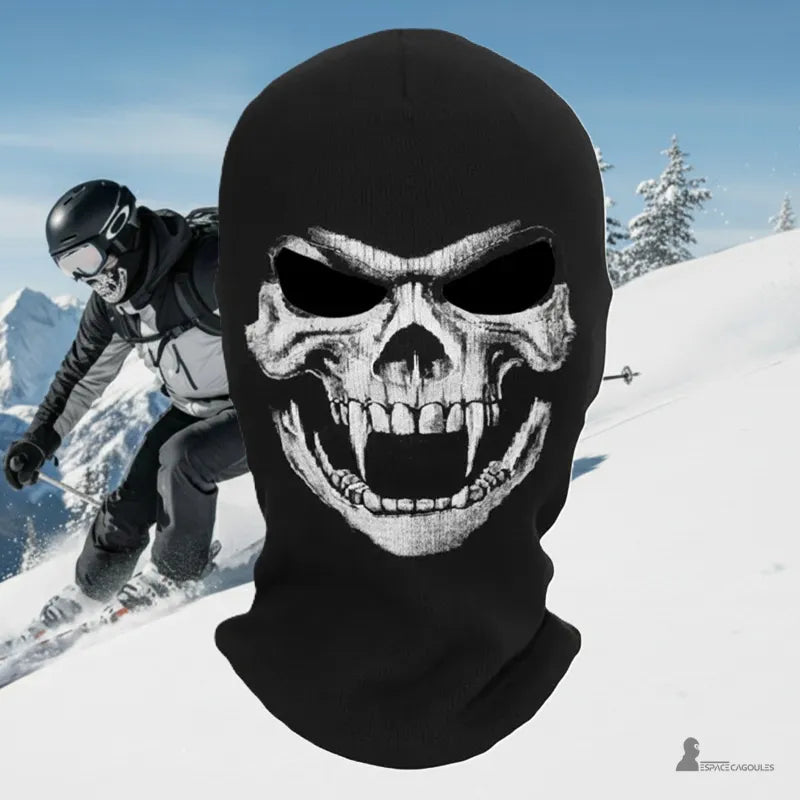
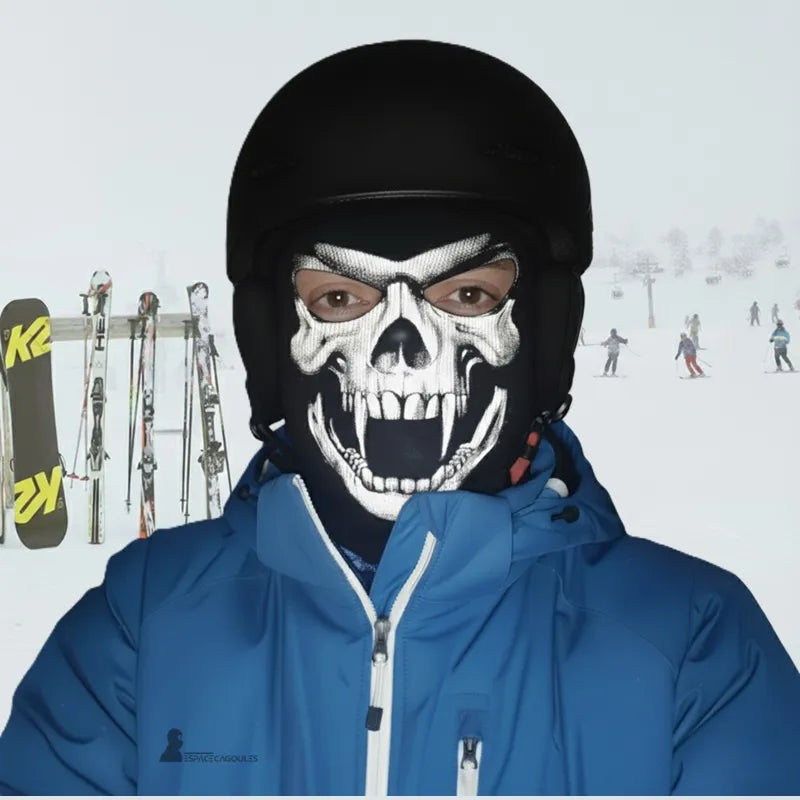
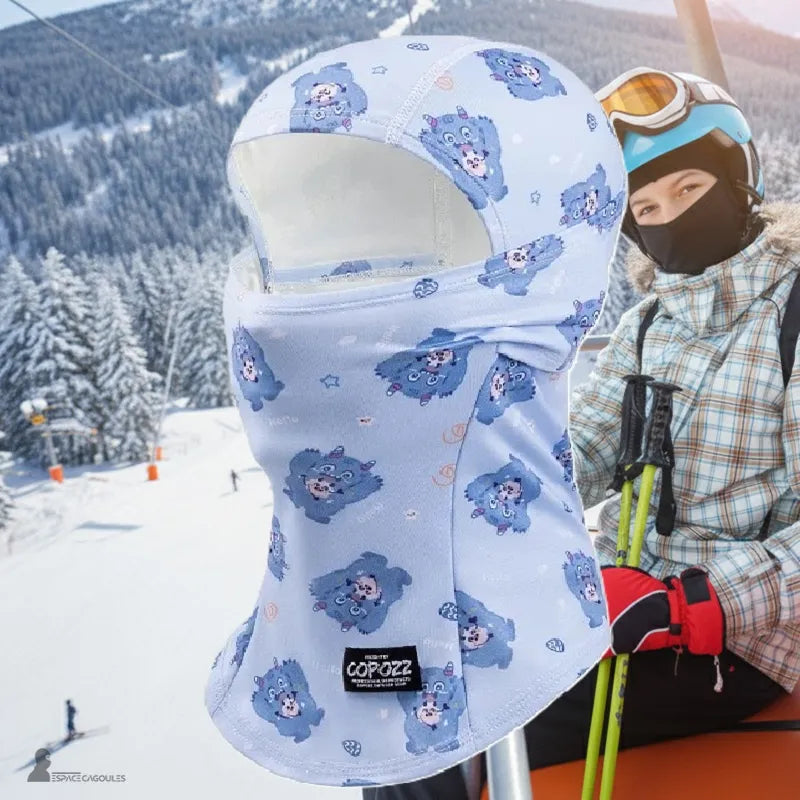
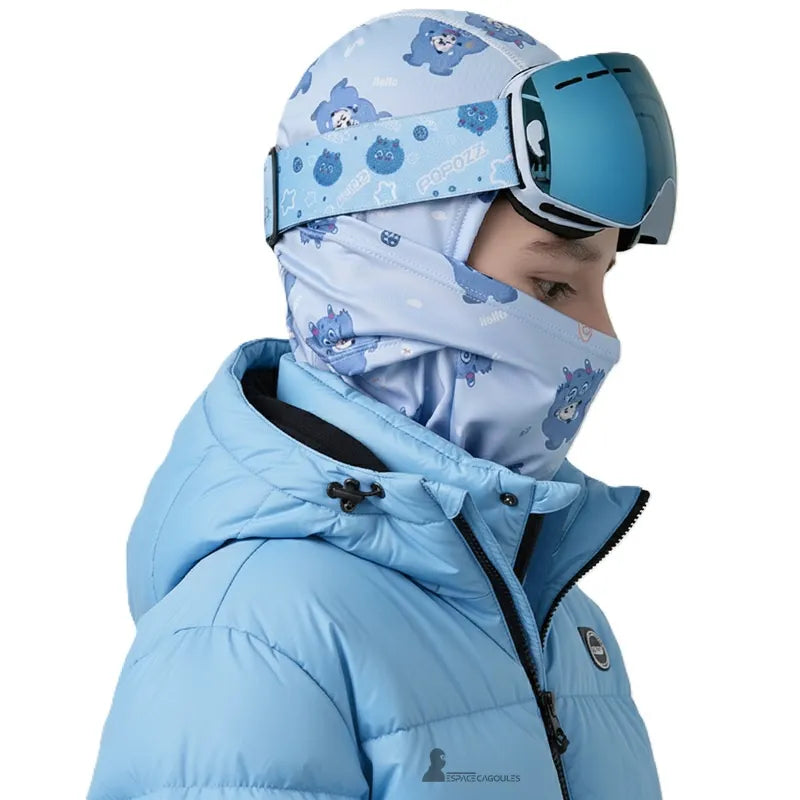
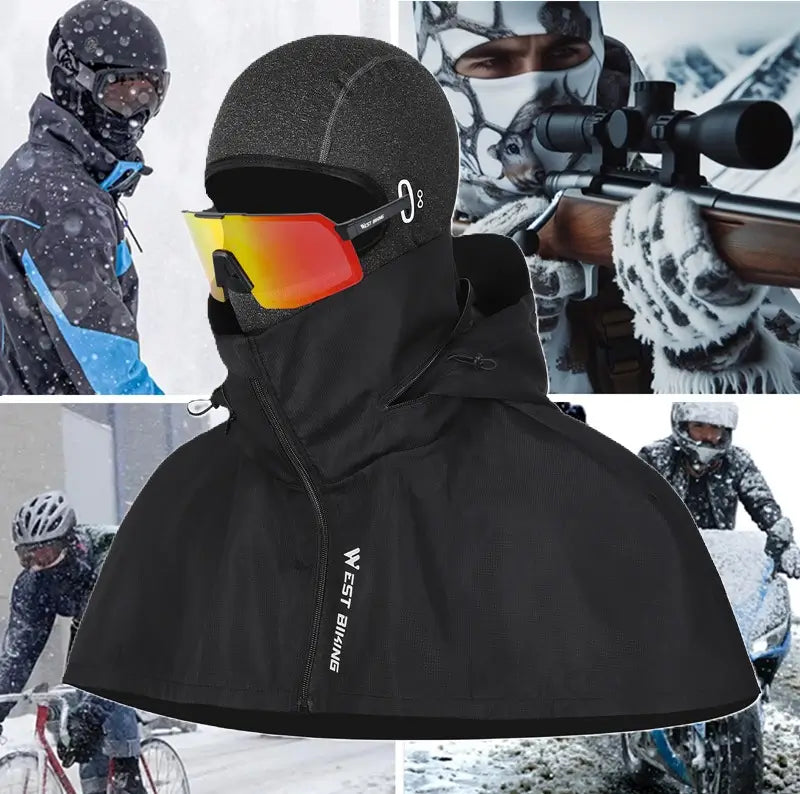
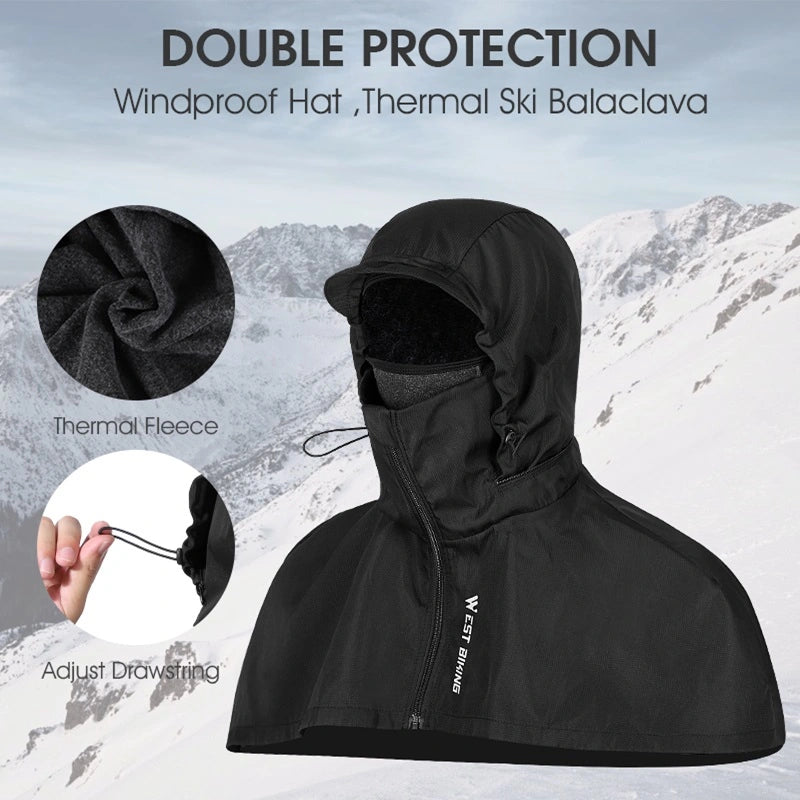
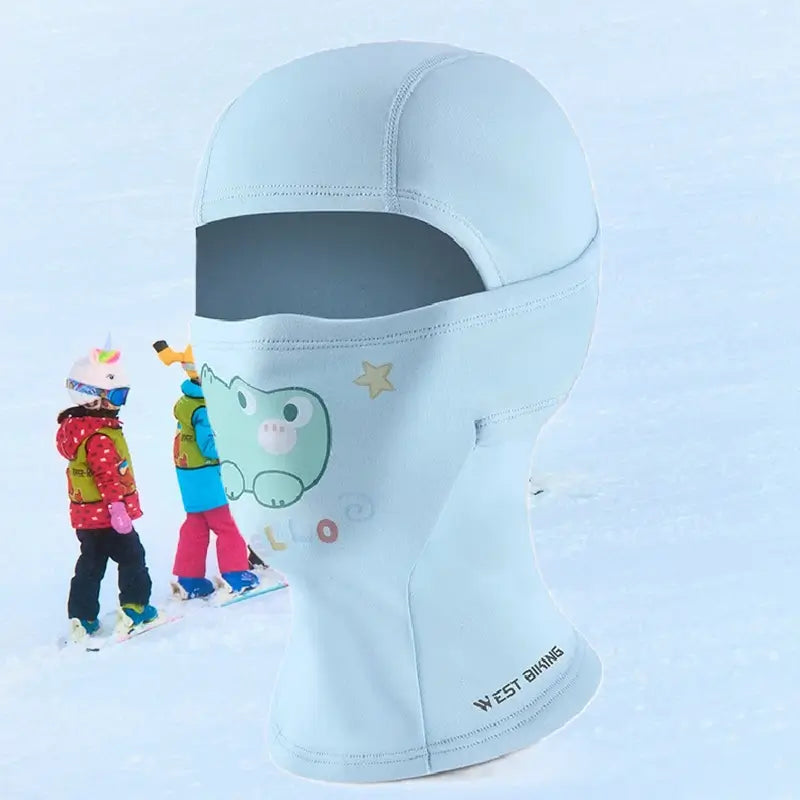
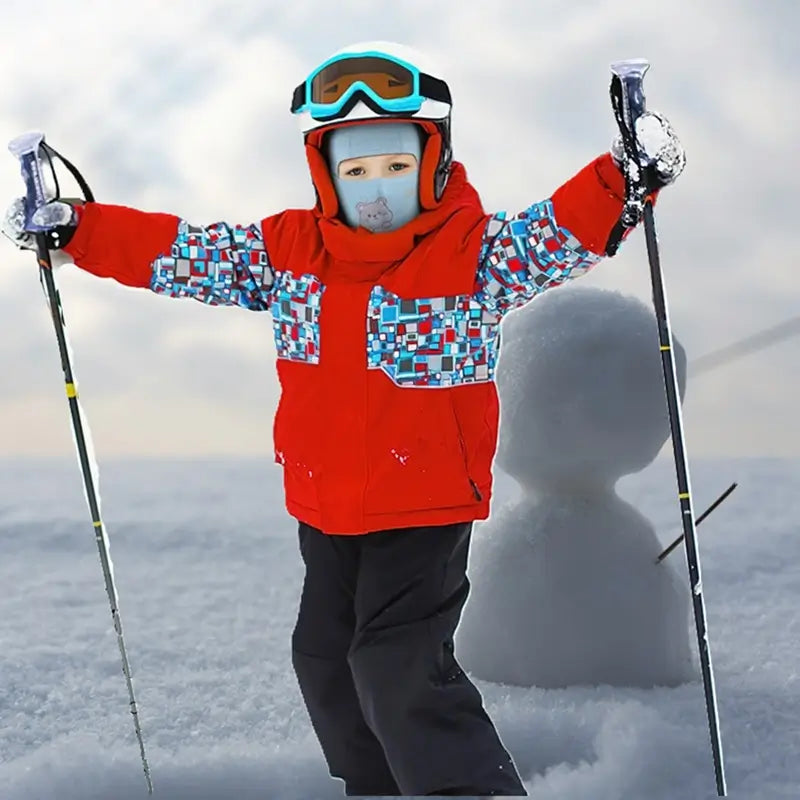
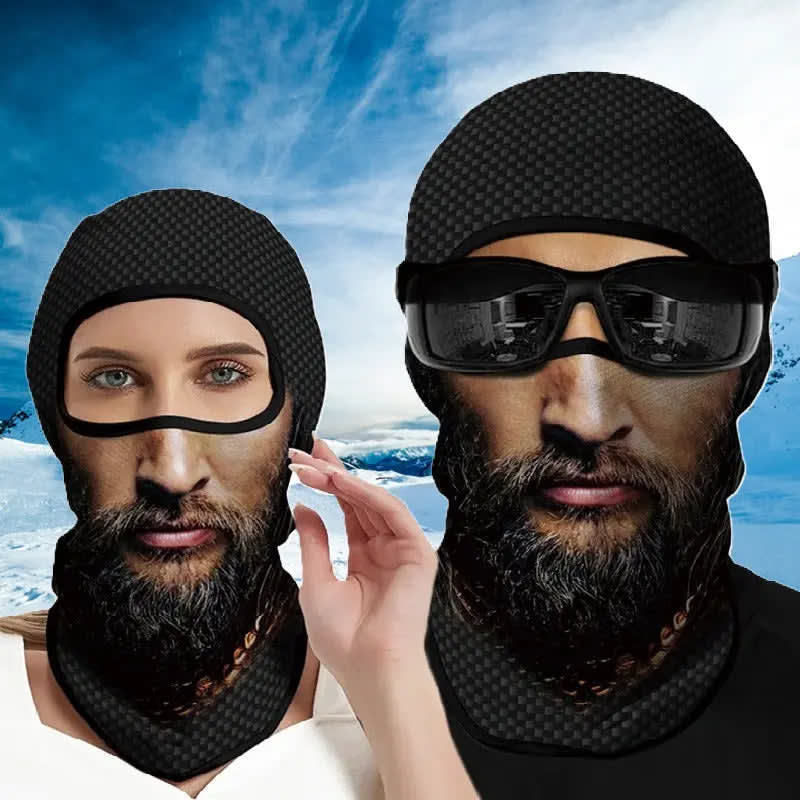
Choosing a ski balaclava is not a trivial matter. Between the cold at high altitudes, the biting wind on the chairlift, the humidity from exertion, and the need to remain compatible with the helmet and goggles, the right model depends as much on who is wearing it as on how one skis. A perfect balaclava for a powder day at −15 °C will not be the same as that of a ski tourer who sweats on the ascent. This page gathers our entire selection of ski balaclavas and helps you quickly navigate without comparing dozens of models at random.
All our ski balaclavas share a common requirement: to keep warm without suffocating, to remain thin under the helmet, and to limit fogging on the goggles. Beyond this common foundation, each profile and practice has its priorities. An alpine skier primarily seeks insulation; a cross-country skier wants breathability; a parent wants a child’s balaclava that is easy to put on and well-fitted. The sections below guide you towards the collection and models that are truly suited to your situation, to quickly find the balaclava that fits you best.
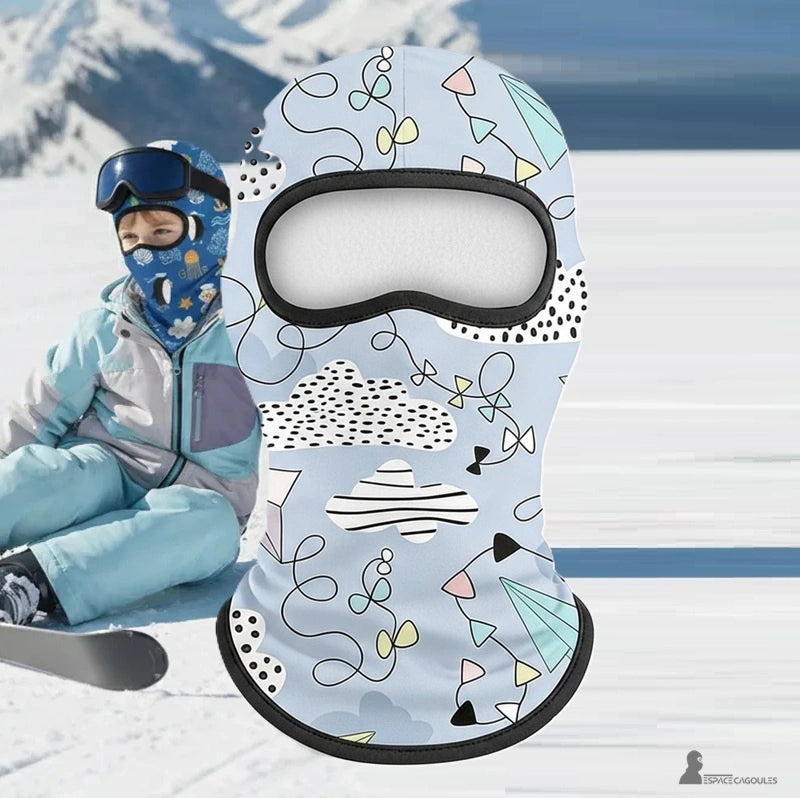
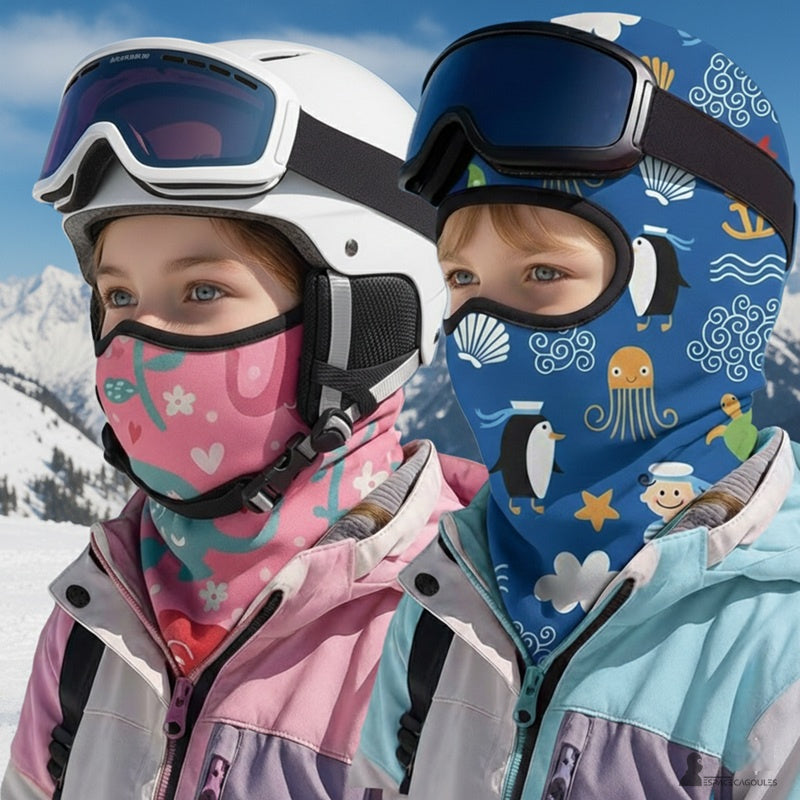
The first instinct is to start with the right profile. Skiers will find in the men's ski balaclava collection technical models focused on performance and endurance, designed for long days and sustained effort. Female skiers will turn to the women's ski balaclava collection, which features cuts that fit well and materials like water-repellent fabric or soft fleece. For the younger ones, the children's ski balaclava collection offers models tailored to small faces, easy to put on and compatible with junior helmets.
The second criterion is the actual use on the slopes. For alpine skiing in very cold weather, where complete protection and enveloping warmth are sought, the AlpineWrap full ski balaclava and the Ultimate fleece balaclava cover the entire face and neck.
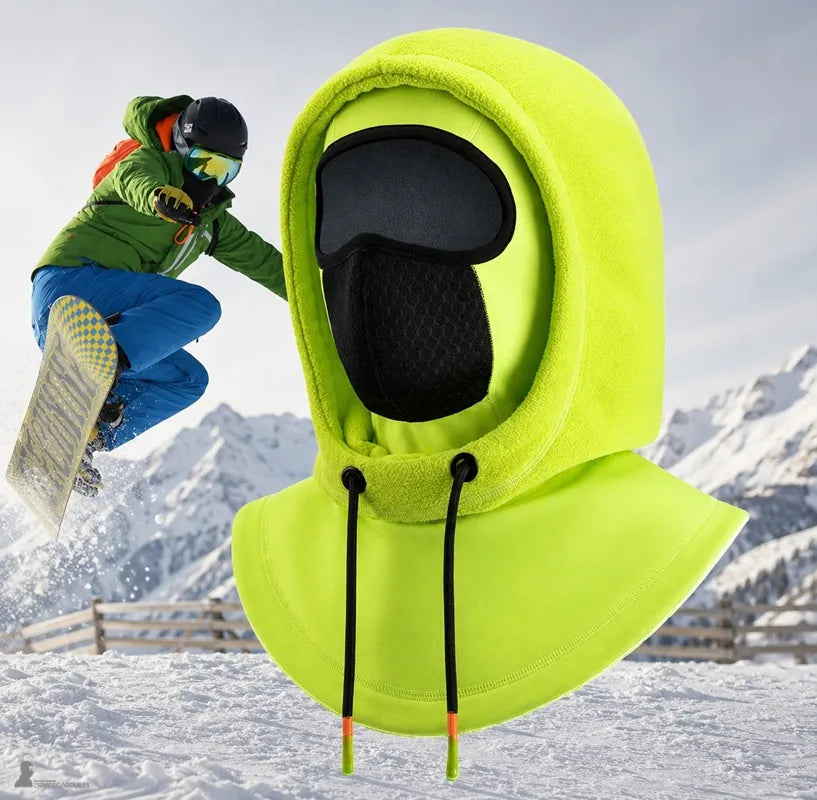
For sporty skiing, cross-country skiing, or hiking, where sweating is the main enemy, a breathable balaclava is preferable: the AirFlow breathable ski balaclava and the SnowGuard vented balaclava expel warm air and limit fogging during exertion. Snowboard enthusiasts will appreciate the flexibility of the SnowHood snowboard balaclava.
Some needs call for specific models. To completely block the wind at the neck, the LongNeck plastron balaclava extends protection under the jacket. For enhanced facial protection in stormy conditions, the IceMask-Pro valve mask balaclava adds a visor. And for minimal volume under the helmet, the UnderHelm fine balaclava remains a reliable choice.
The choice of material directly stems from the severity of the conditions and the intensity of your practice. Fleece offers maximum insulation and great softness: it is the reference for extreme cold and leisure skiing. Technical polyester combined with spandex prioritizes lightness, elasticity, and ventilation, ideal for sporty skiing and hiking where sweating occurs. Finally, merino wool provides natural thermoregulation that retains its properties even when wet, with odor-resistant qualities appreciated over several days — a premium solution for lasting comfort.
To go further in your choice, consult our complete guide: ski balaclava, secrets for a successful purchase, which details the criteria of material, cut, and maintenance to ski warm all season long.
The most frequently asked questions to help you choose your ski balaclava according to your profile and practice.
For recreational skiing in very cold weather, opt for a full polar balaclava that maximizes warmth. For sporty skiing, hiking, or cross-country skiing, choose a thin and breathable model that better wicks away sweat. Snowboarding works well with a soft and versatile model.
The thermal performance is the same, but the cuts differ. Women's models offer tailored cuts and sometimes specific options like a hood or water-repellent fabric; children's models are adjusted for small faces and easy to put on. Each dedicated collection includes models suited to each profile.
Fleece for warmth in extreme cold, technical polyester and spandex for lightness and ventilation during exertion, and merino wool for natural thermoregulation and odor resistance. Many skiers have a warm model and a breathable model depending on the day's conditions.
Choose a balaclava with a breathable area or vents at the mouth and nose, which directs the exhaled air downwards rather than towards the goggles. Also, ensure that the balaclava does not rise too high under the edge of the goggles.
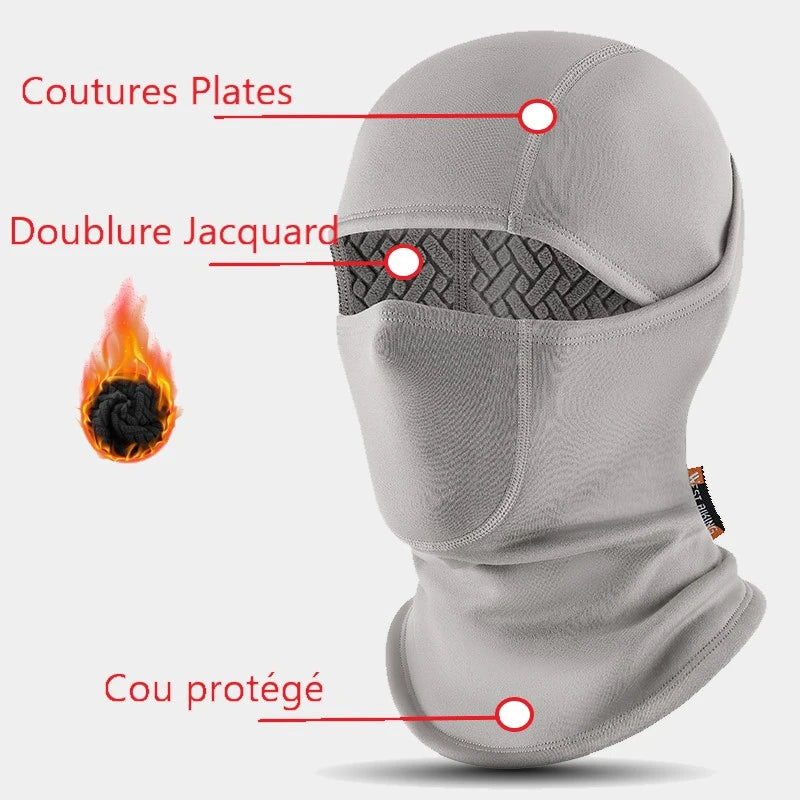
Yes, as long as you choose a thin and stretchy model at the top of the head, with flat seams, to avoid any bulk or pressure points. All our models are designed to be worn under a ski or snowboard helmet.
Stalking: Understanding the Invisible Demands of This Waiting Practice
The still hunting relies on a seemingly simple principle: waiting for game at a fixed position, in silence, until it presents itself. However, behind this simplicity lies a demanding practice, wher...
More information
Everything You Need to Know About the Balaclava
Discover an expert guide dedicated to balaclavas: how they work, advantages, differences between 1-hole, 2-hole, and 3-hole models, choice of materials (fleece, polyester, neoprene, Ice Silk), usag...
More information
Winter motorcycle balaclava vs Summer motorcycle balaclava
Whether riding under a blazing sun or in the biting cold of December, one thing remains true: the motorcycle balaclava is one of the most useful pieces of gear for a motorcyclist. Too often overloo...
More information