Winter motorcycle balaclava vs Summer motorcycle balaclava
Winter Motorcycle Balaclava vs Summer Motorcycle Balaclava: The Comparative Guide for Riding Comfort All Year Round
Whether riding under a blazing sun or in the biting cold of December, one thing remains true: the motorcycle balaclava is one of the most useful pieces of gear for a motorcyclist. Often overlooked, it enhances comfort, safety, and even the durability of the helmet. But not all balaclavas are created equal. Should you choose a winter model or a summer one? Here is the essential comparison to equip yourself properly according to the season.

Why Wear a Balaclava Under Your Helmet?
Before contrasting the winter and summer versions, let’s recall its main functions. A motorcycle balaclava acts as a second protective skin between the helmet and the face. It:
- Improves comfort under the helmet by preventing friction and irritation.
- Protects against wind, dust, and insects while riding.
- Absorbs perspiration to preserve the internal foams of the helmet.
- And depending on the season, insulates from the cold or promotes breathability.
When well chosen, it transforms the riding experience, especially on long trips. Now let’s move on to the fundamental differences between winter and summer balaclavas.
The Winter Motorcycle Balaclava: Warmth, Insulation, and Protection
In winter, the motorcyclist faces three enemies: cold, humidity, and wind. The winter motorcycle balaclava is designed to combat these three elements with insulating materials and a protective cut.

Technical Materials to Face the Cold
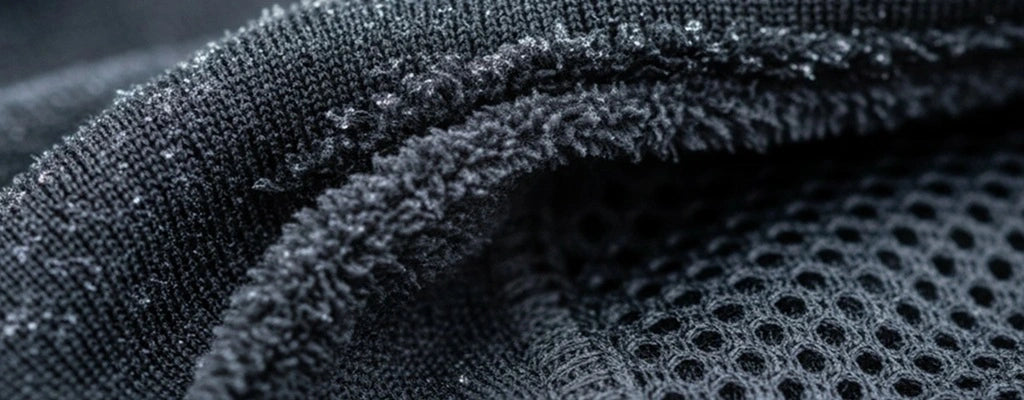
Common fabrics include fleece, softshell, and wool. Fleece retains heat without adding weight. Softshell acts as a windproof and water-repellent barrier. As for wool, it is naturally thermoregulating, keeping the face warm without causing overheating.
Protection Against Wind and Humidity
High-performance models feature a windproof lining that blocks cold air and maintains body temperature. Some include a breathable zone at the nose and mouth to prevent condensation under the helmet. The result: no fogging and smooth breathing, even during rides in negative temperatures.
Comfort Under the Helmet and Fit
A good winter balaclava should cover the neck and sometimes the shoulders to prevent any air infiltration. The adjusted 3D balaclava conforms to the shape of the face, preventing annoying folds under the helmet. Elasticity is also a key criterion for stable support during long rides.
The Summer Motorcycle Balaclava: Lightness, Ventilation, and Hygiene
When temperatures rise, the goal reverses: stay cool while protecting the skin. The summer motorcycle balaclava then becomes your ally against heat, perspiration, and UV rays.

Breathable and Quick-Drying Fabrics
Summer balaclavas use ultra-light materials like fine cotton, microfiber, or lycra. These fabrics effectively wick moisture and dry quickly, avoiding the stifling heat sensation under the helmet. The most technical versions adopt micro-perforations and an anti-UV treatment to allow air to pass through without letting the sun in.
Protection Against Dust and Insects
In summer, open rides expose the face to particles, sand, and insects. A thin motorcycle balaclava acts as a protective filter. It also maintains the hygiene of the helmet by limiting direct perspiration on the internal foams.
Hygiene and Easy Maintenance
Summer models are often antibacterial and can be washed frequently without deformation. This treatment limits bad odors and prolongs the lifespan of the helmet, keeping a clean and dry environment inside.
Comparison: Winter Motorcycle Balaclava vs Summer Motorcycle Balaclava

| Criterion | Winter Balaclava | Summer Balaclava |
|---|---|---|
| Main Objective | Insulation and protection against the cold | Breathability and heat wicking |
| Materials | Fleece, softshell, wool | Microfiber, lycra, cotton |
| Comfort | Soft warmth, windproof | Lightweight, quick-drying |
| Protection | Against cold, humidity, wind | Against UV, dust, insects |
| Recommended Use | Cold rides, winter mornings, mountains | Summer riding, warm climates, urban traffic |
In summary: the winter motorcycle balaclava acts as a thermal shield, while the summer motorcycle balaclava becomes a breathable second skin. Both meet opposing but complementary needs.
How to Choose Your Motorcycle Balaclava?
The right choice depends on the season, the type of helmet, and your riding style. For daily use, two models are often necessary: a thermal one for winter and a breathable one for sunny days. Here are the essential criteria:

- Thermal Comfort: choose a fitted model that is not compressive.
- Helmet Compatibility: the balaclava should not create pressure on the internal foams.
- Breathability: favor mesh areas at the mouth and nose level.
- Maintenance: a washable and antibacterial balaclava is a real asset in the long run.
Recent Innovations in Motorcycle Balaclavas
Motorcycle brands are now integrating hybrid fabrics capable of adapting to temperature variations. Technical models combine warm zones and breathable zones, offering consistent comfort all year round. Some models also adopt anti-odor and eco-friendly treatments, to limit environmental impact while maintaining impeccable hygiene.
Conclusion: A Simple Accessory, A Real Plus for the Road
Whether you face the icy wind of January or the dry heat of August, the balaclava remains a key accessory for the modern motorcyclist. It protects, enhances comfort, and prolongs the lifespan of the helmet. In winter as in summer, the right choice makes all the difference.
Discover our complete collection of motorcycle balaclavas to face all seasons with comfort and performance. Free Shipping!