
Login
Language
Balaclava by gender
Balaclava by activity
Chapka Hats
Balaclava by color
The Catalogue
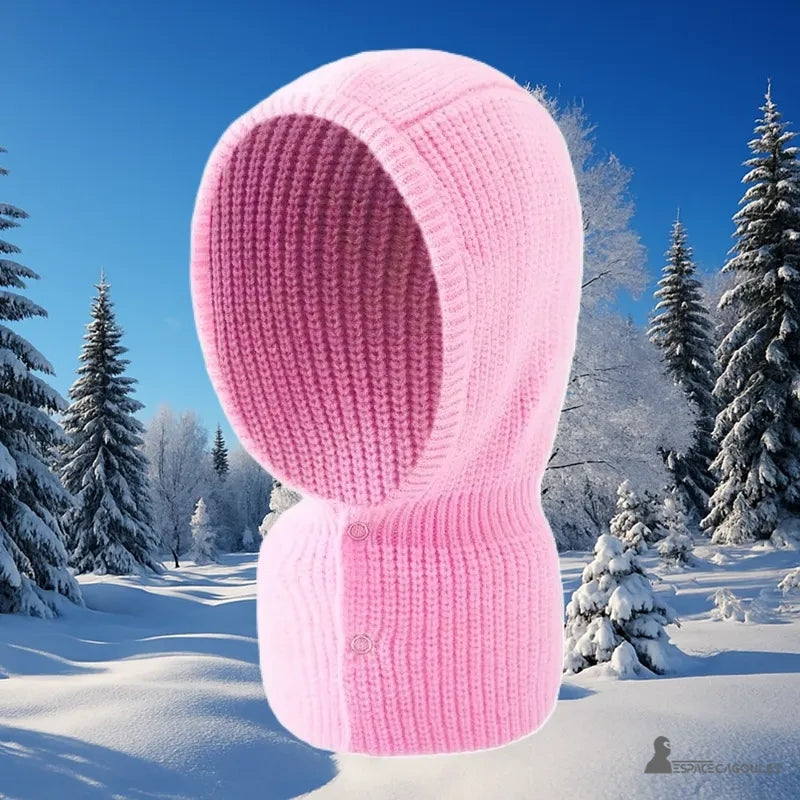

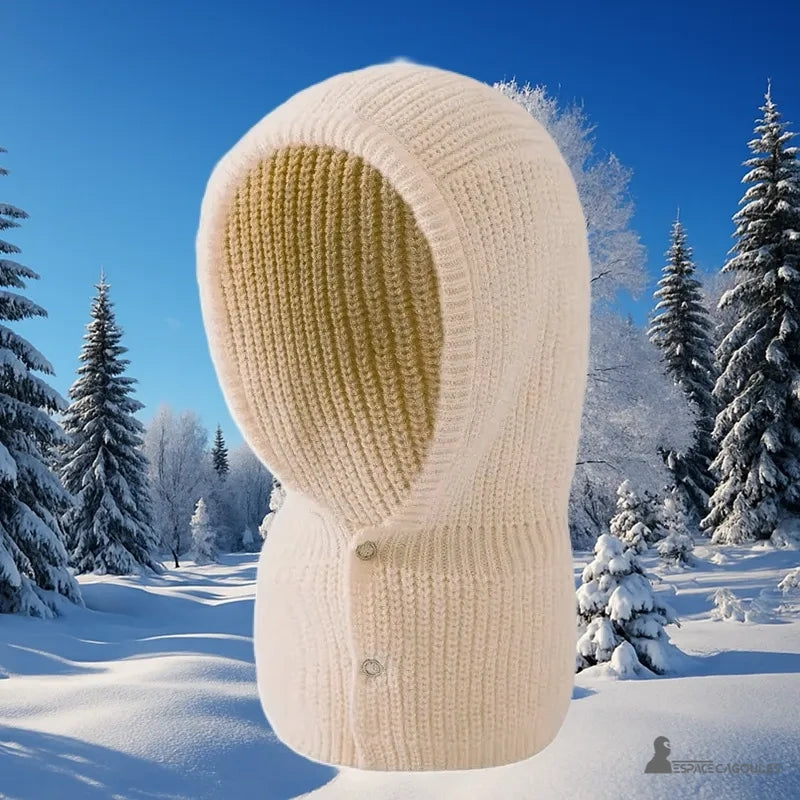

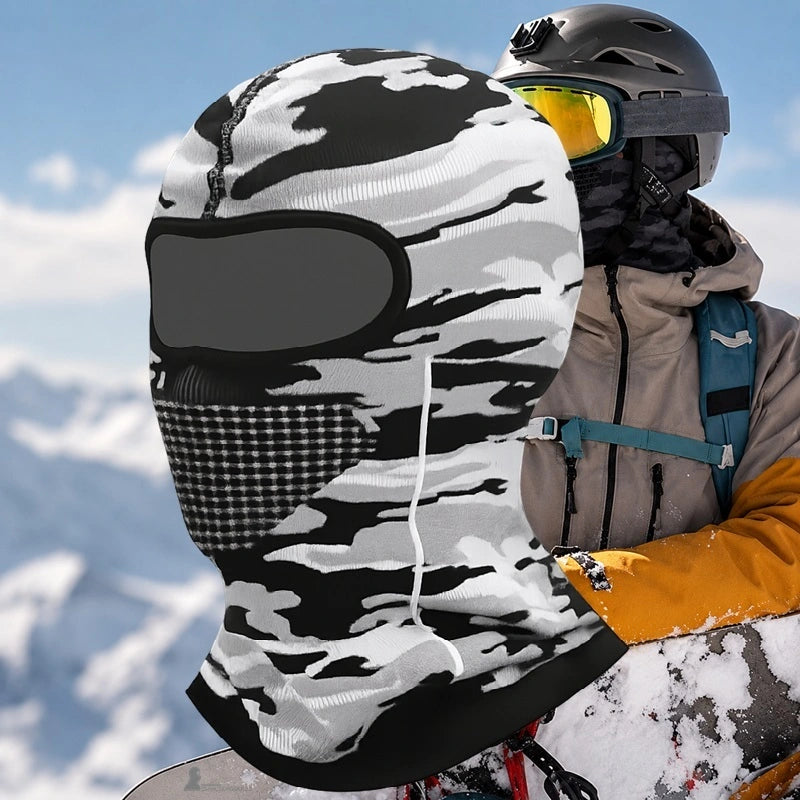
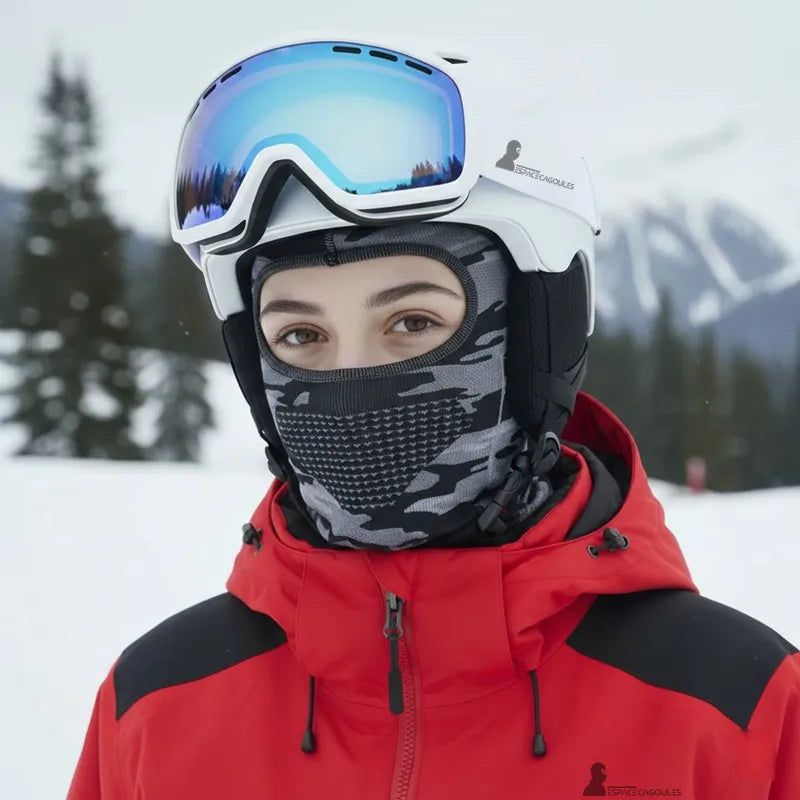
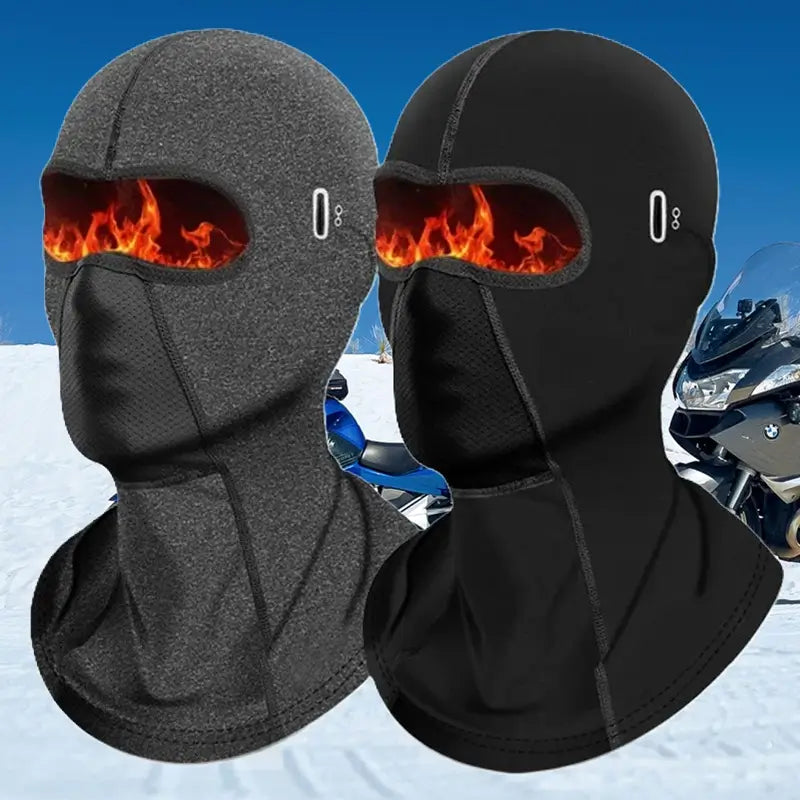
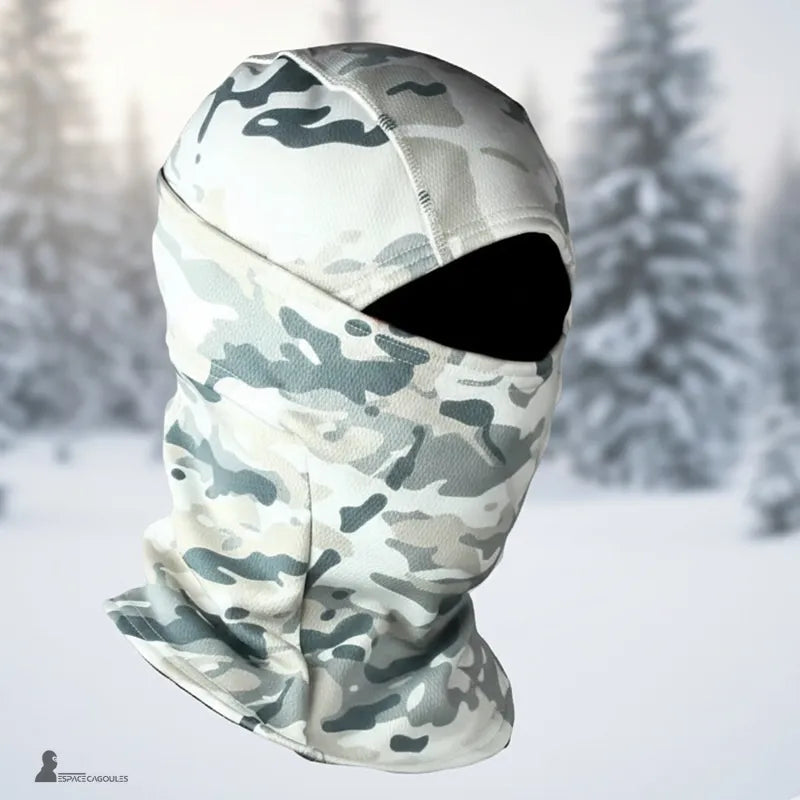
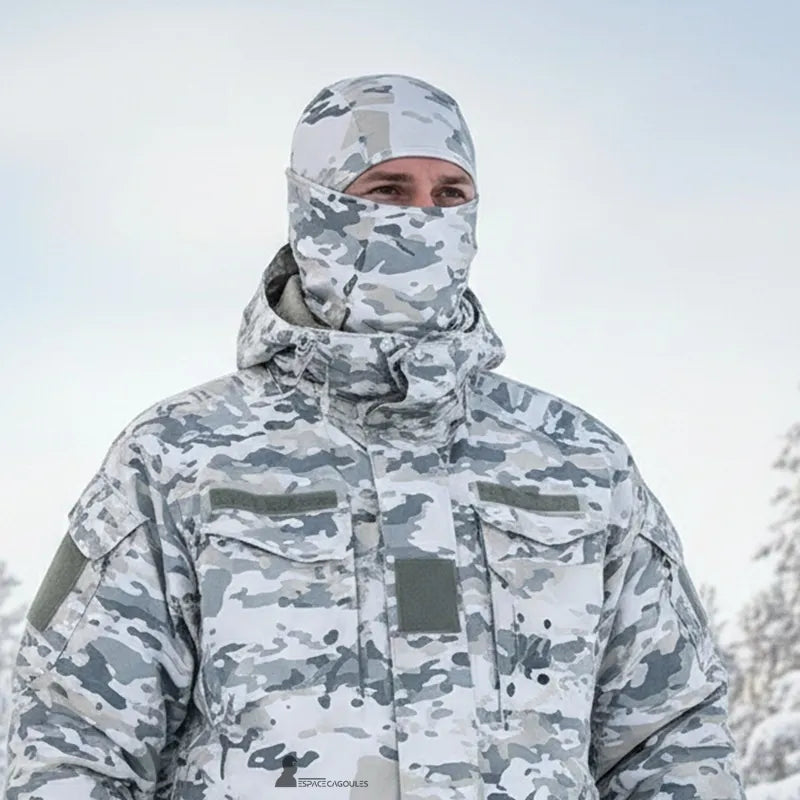
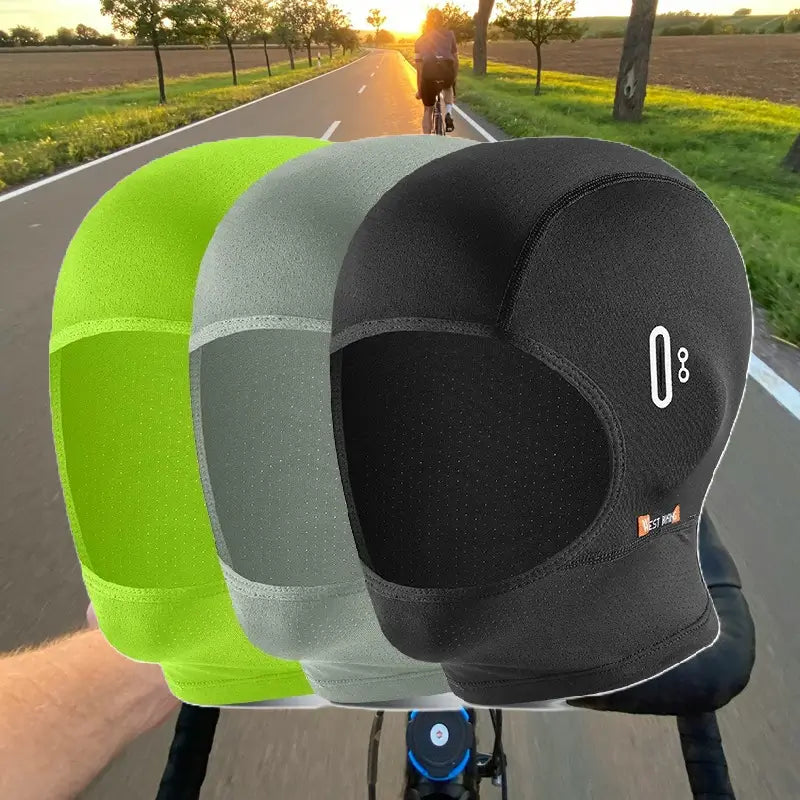
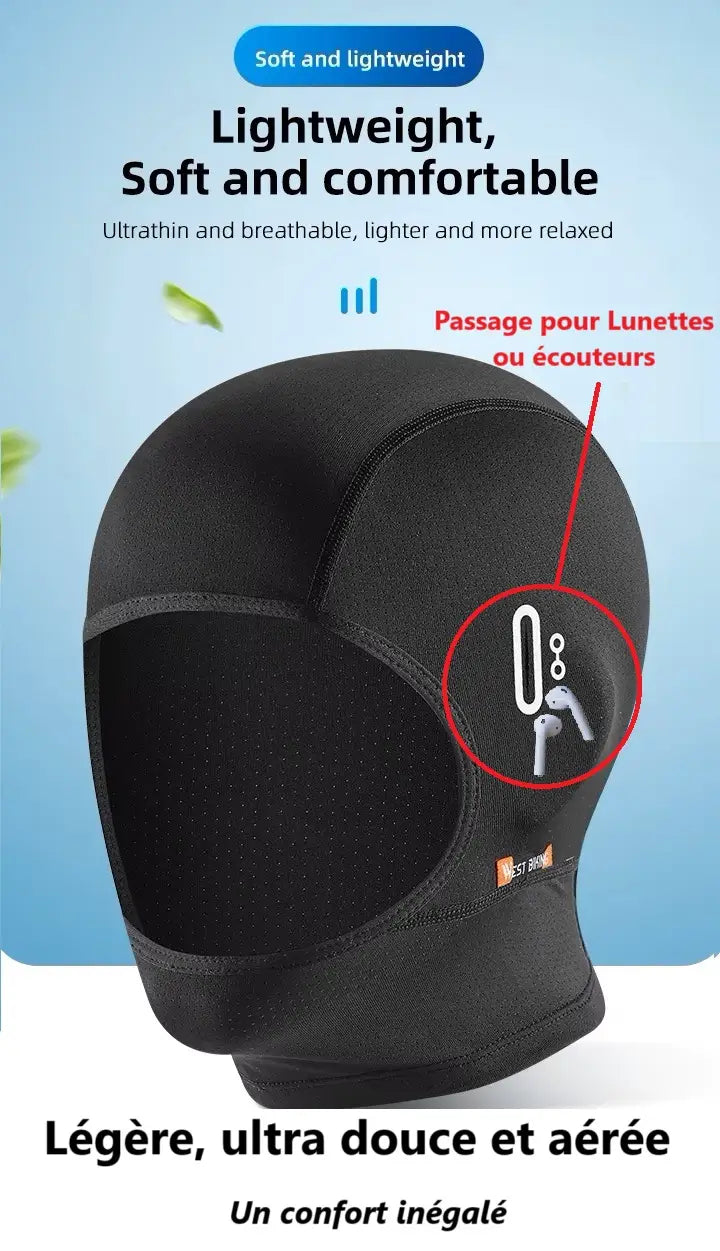
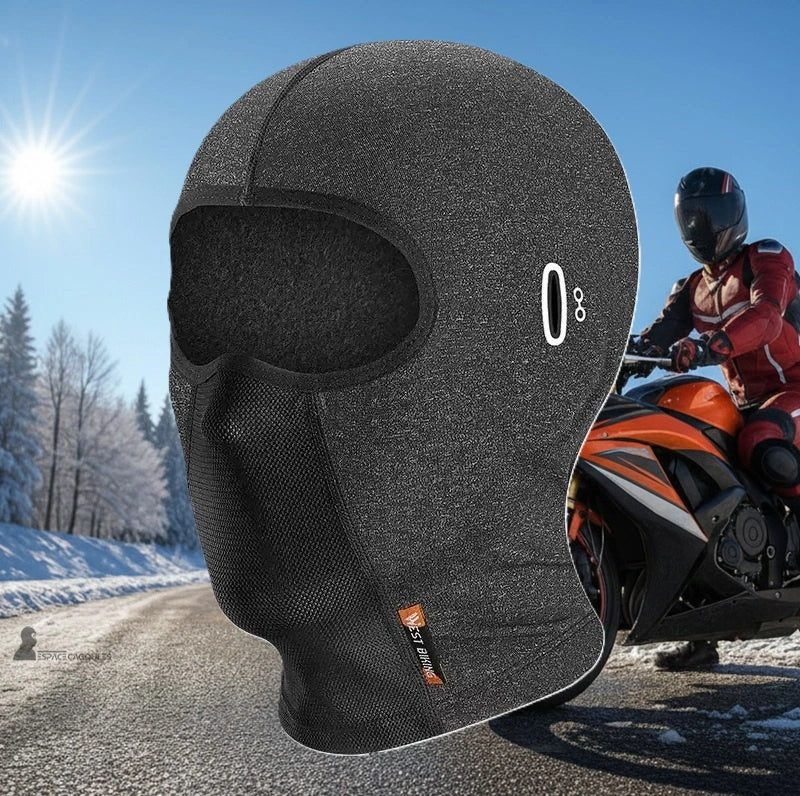
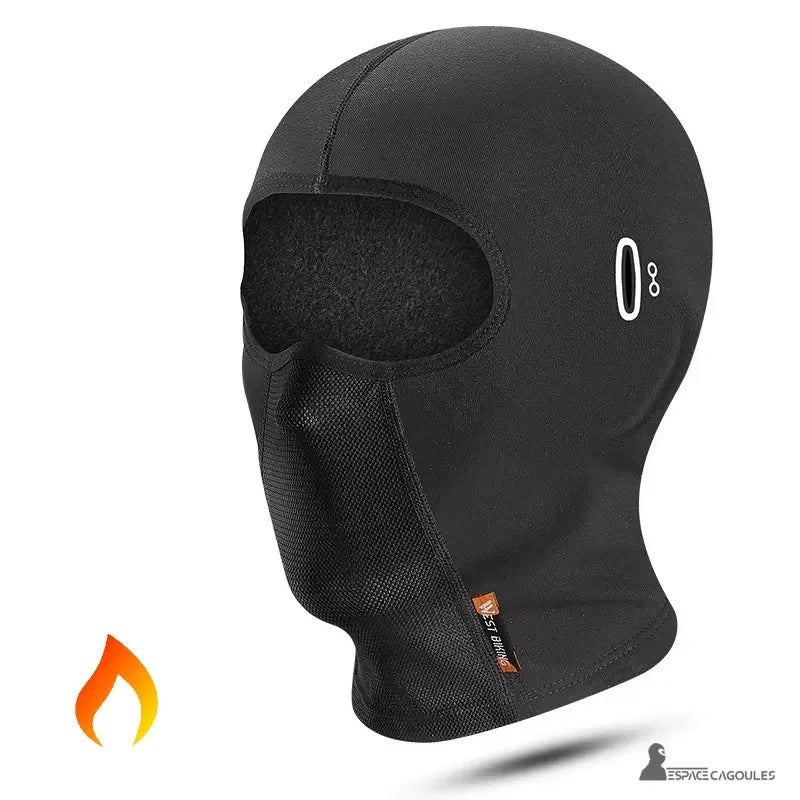

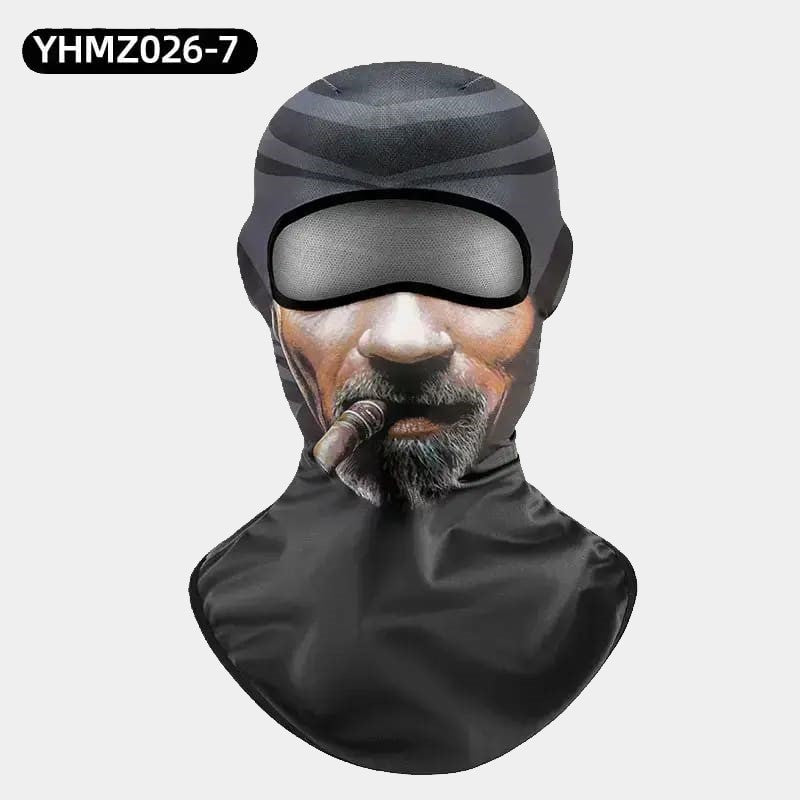
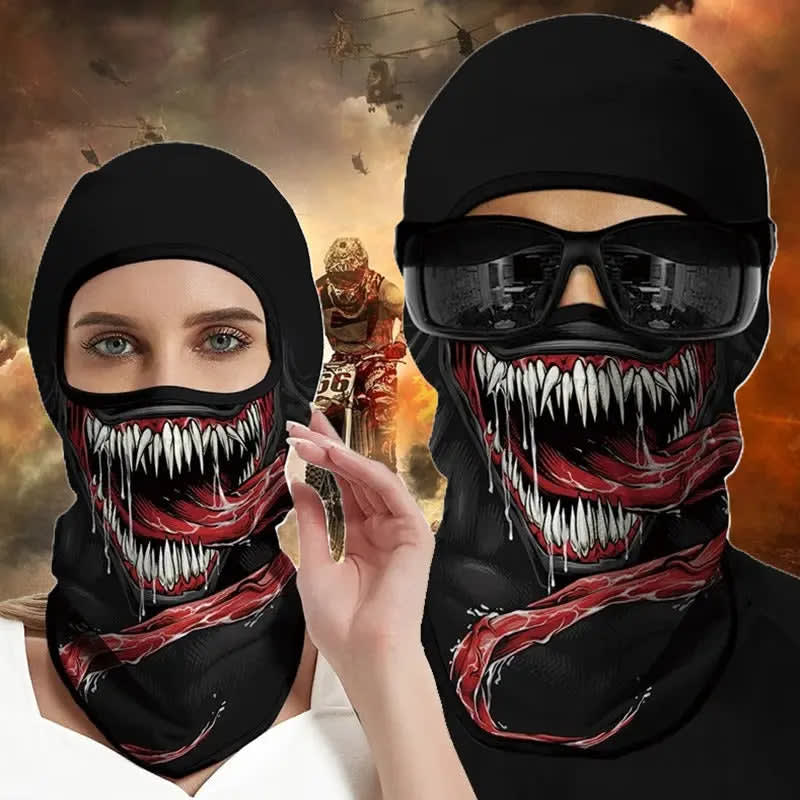
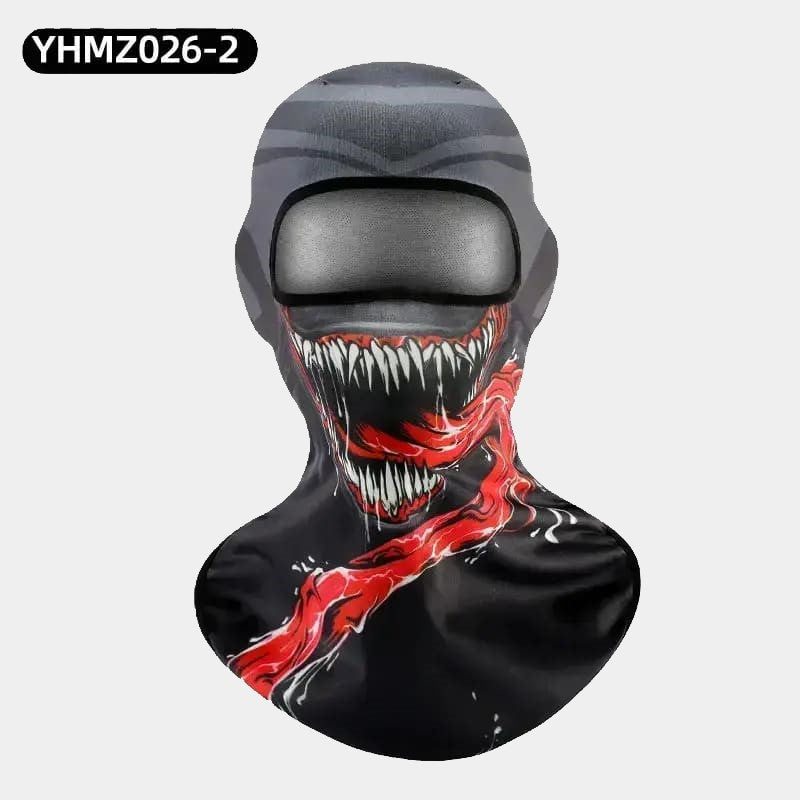
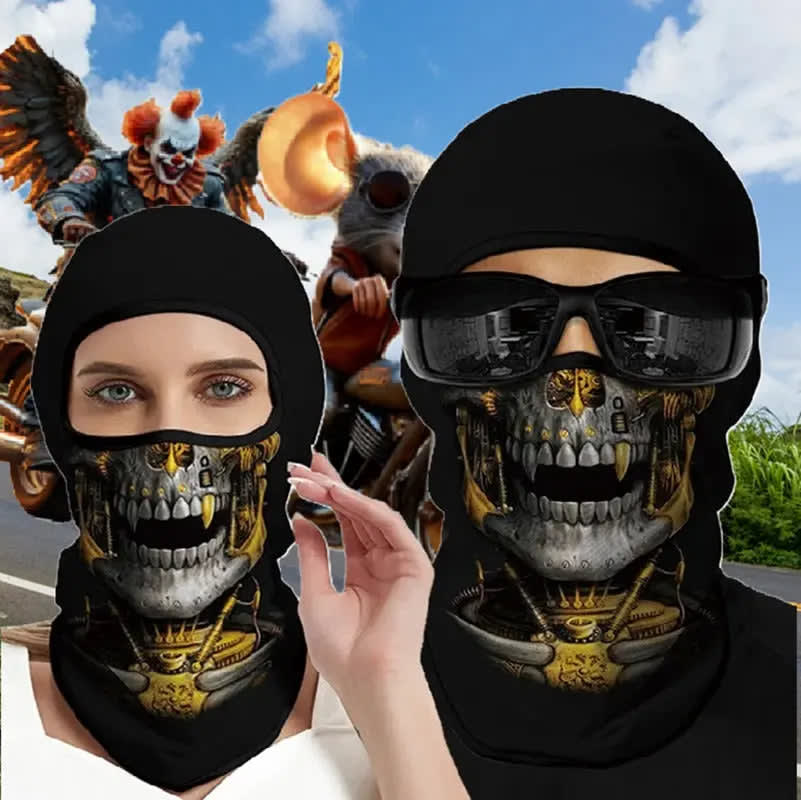
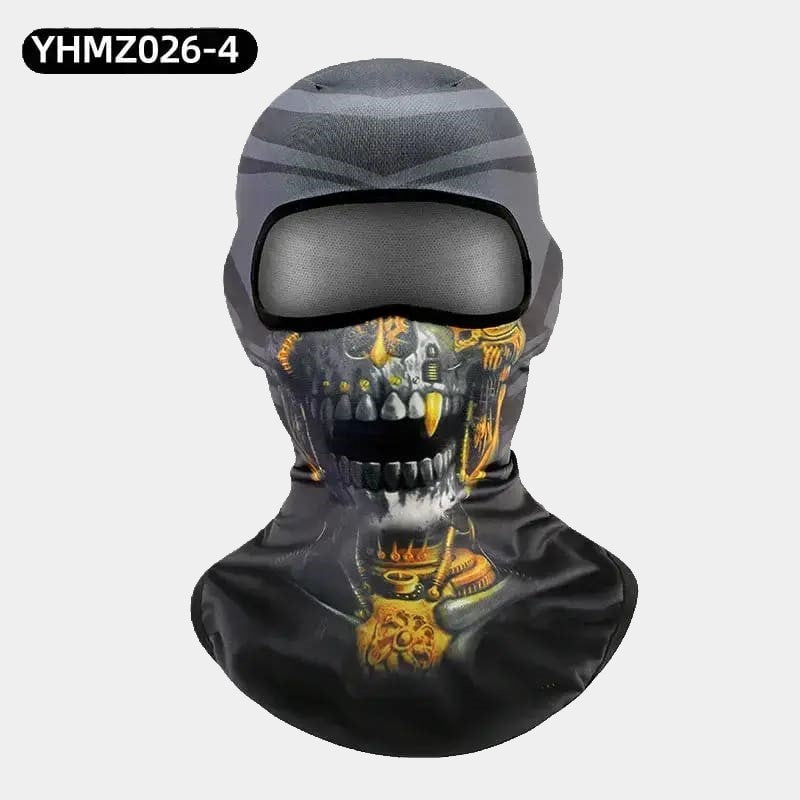
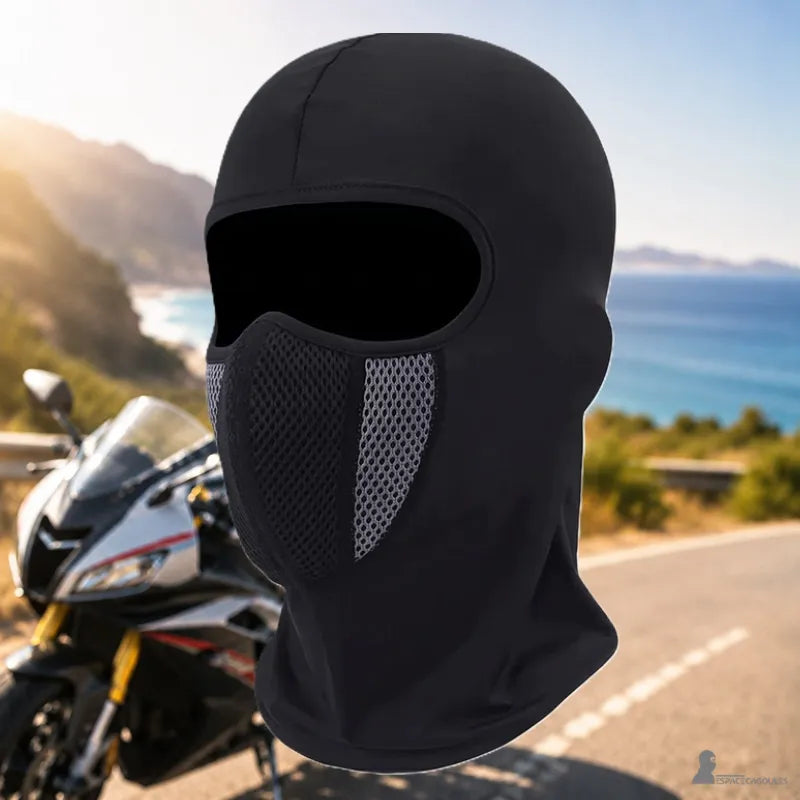
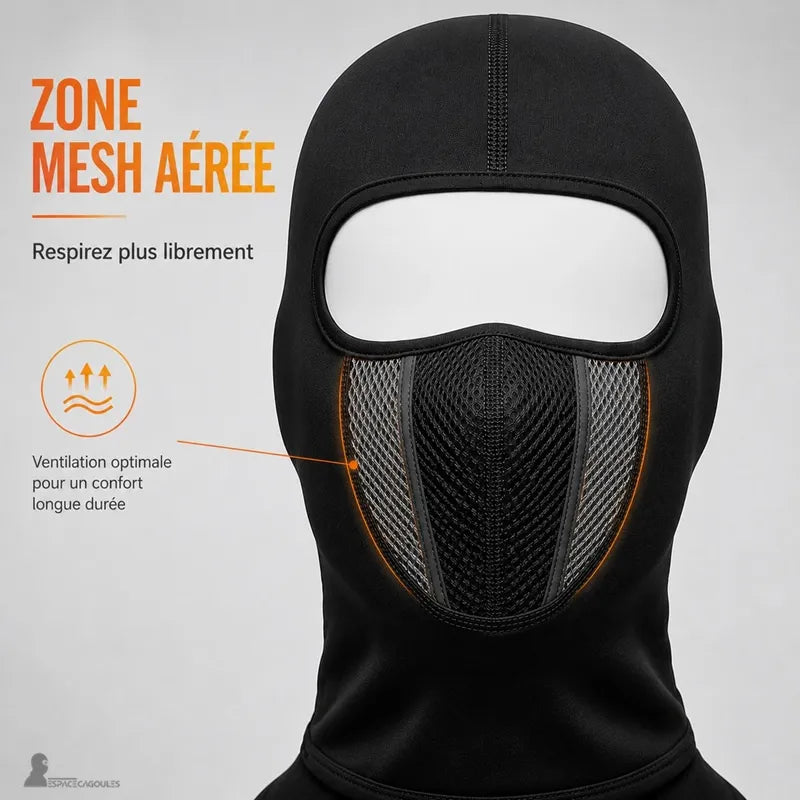

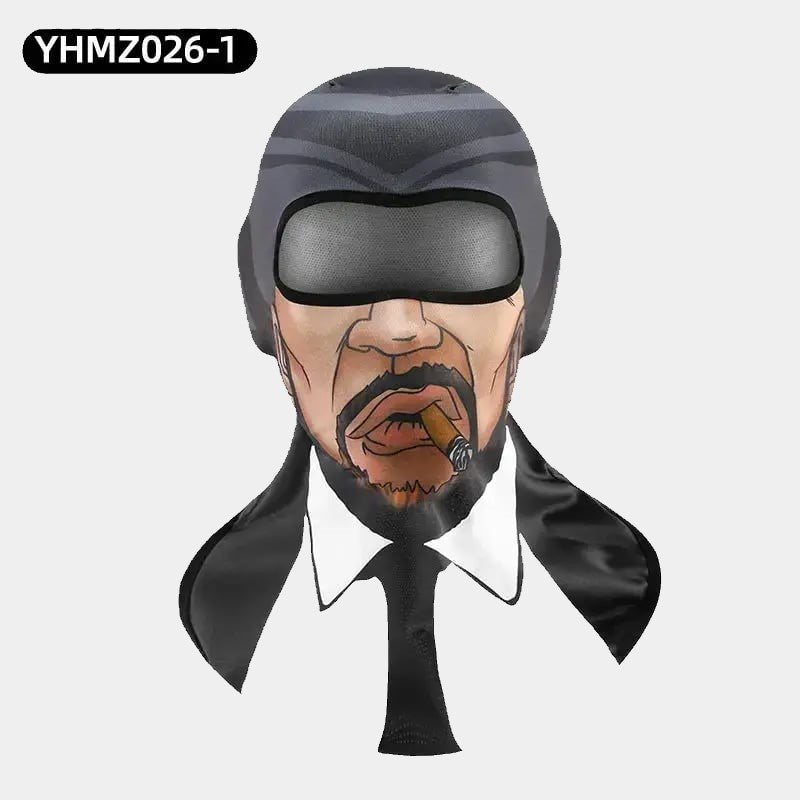
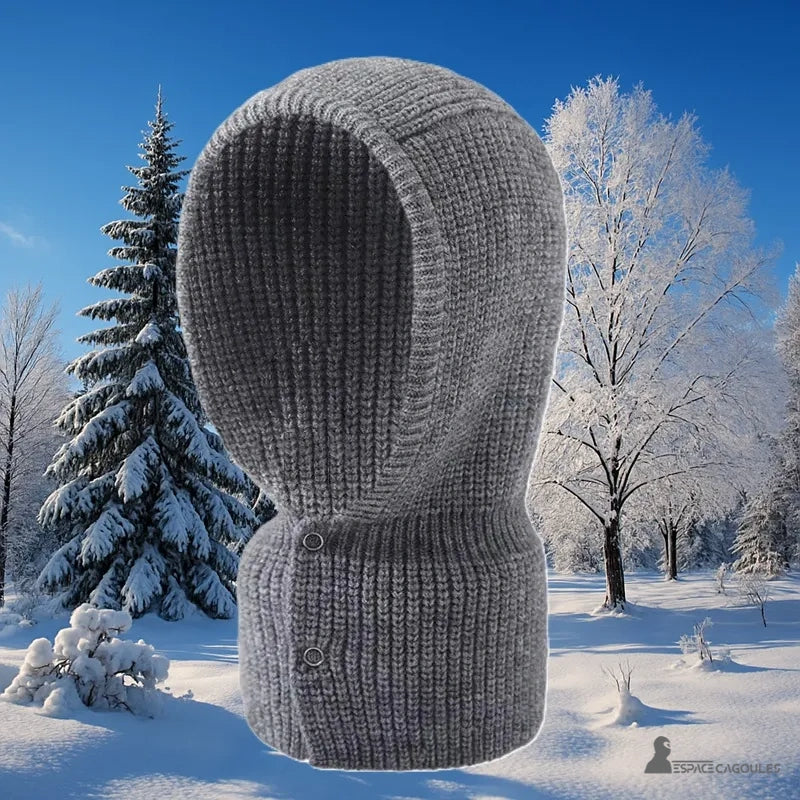
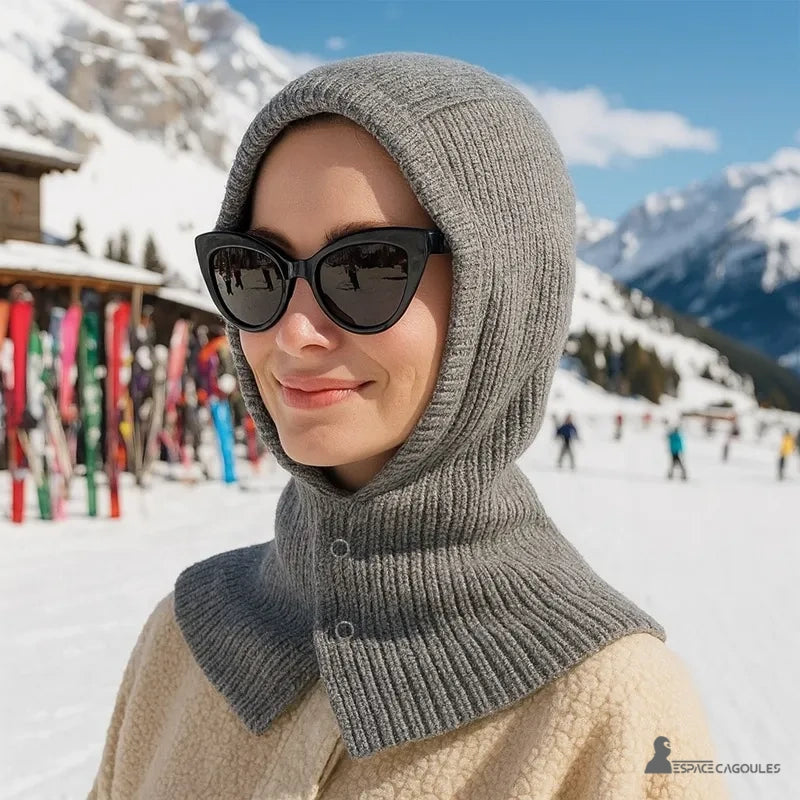
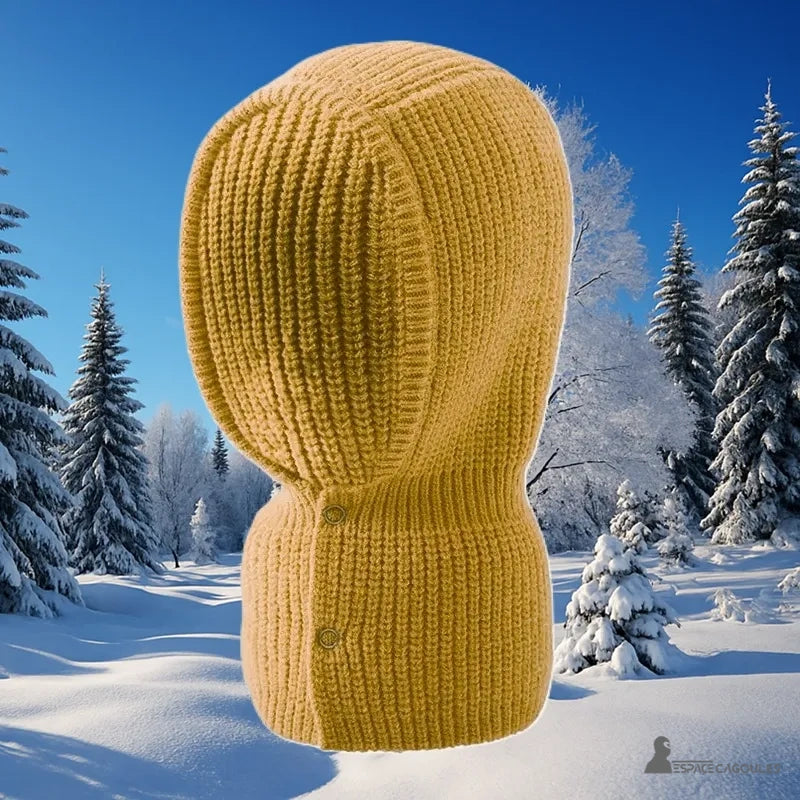
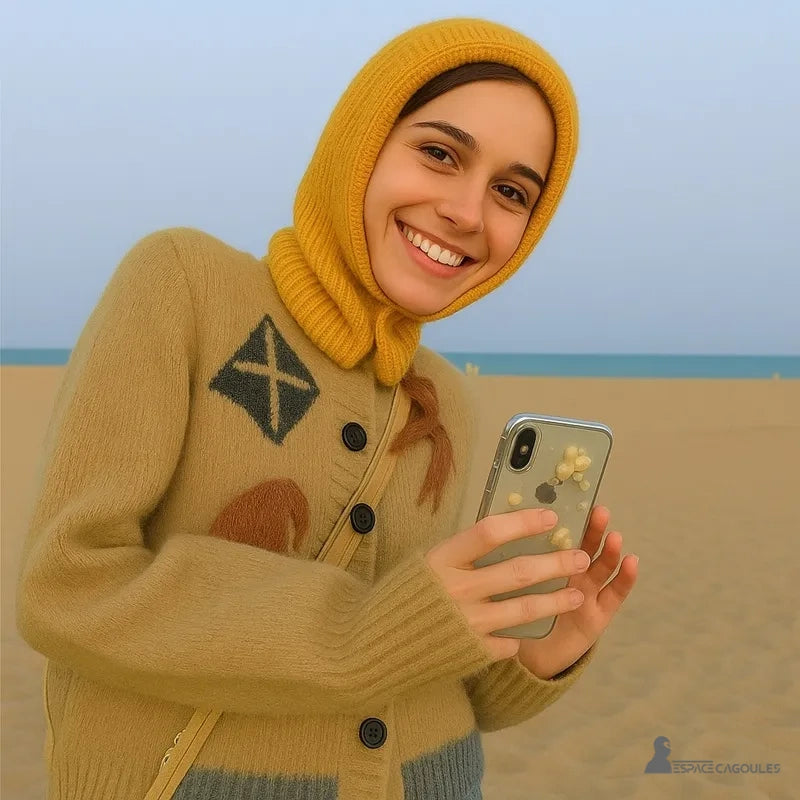
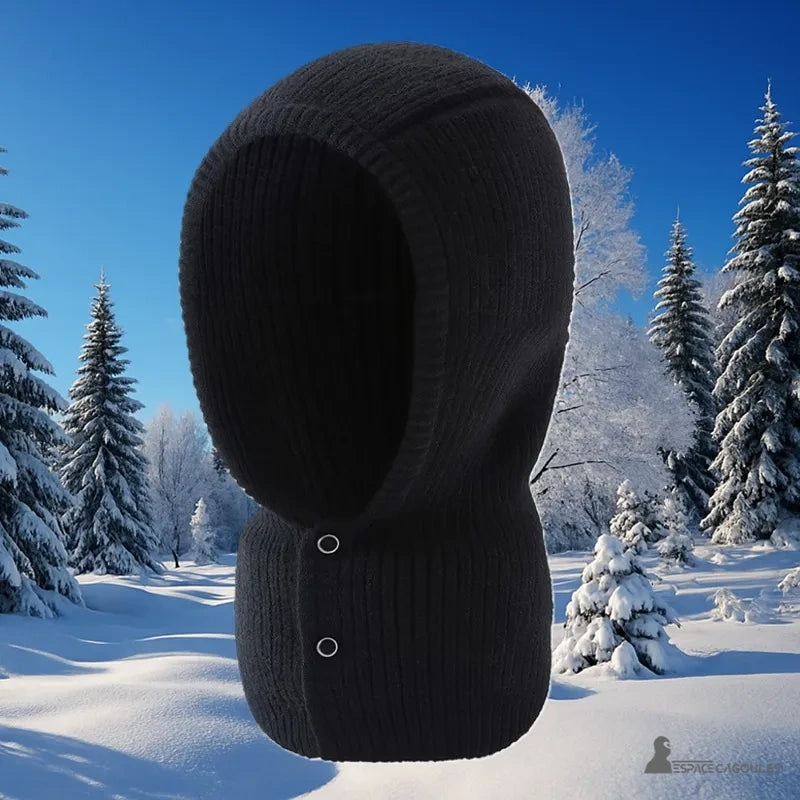
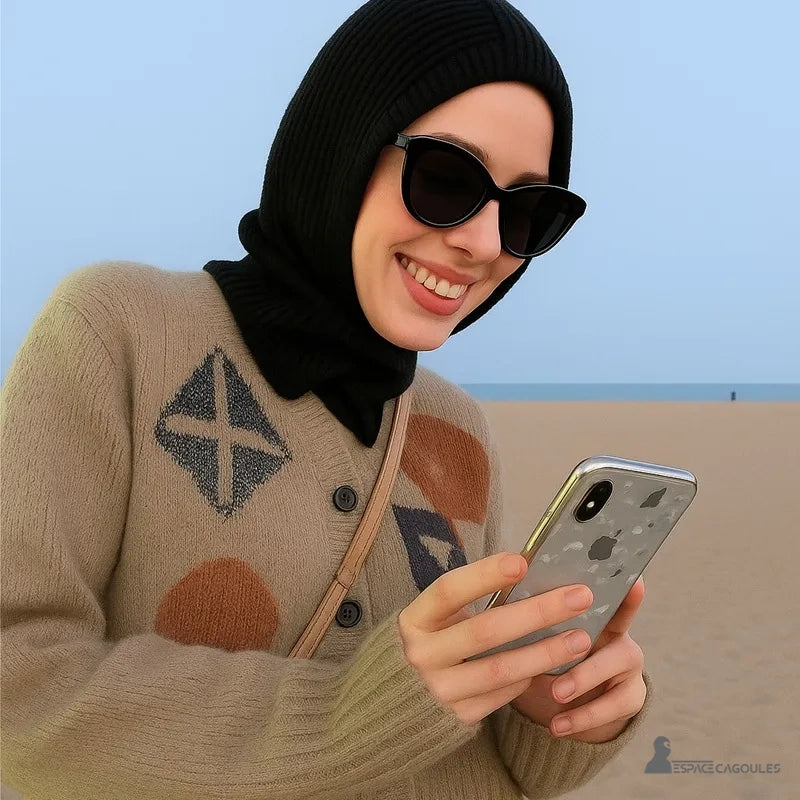
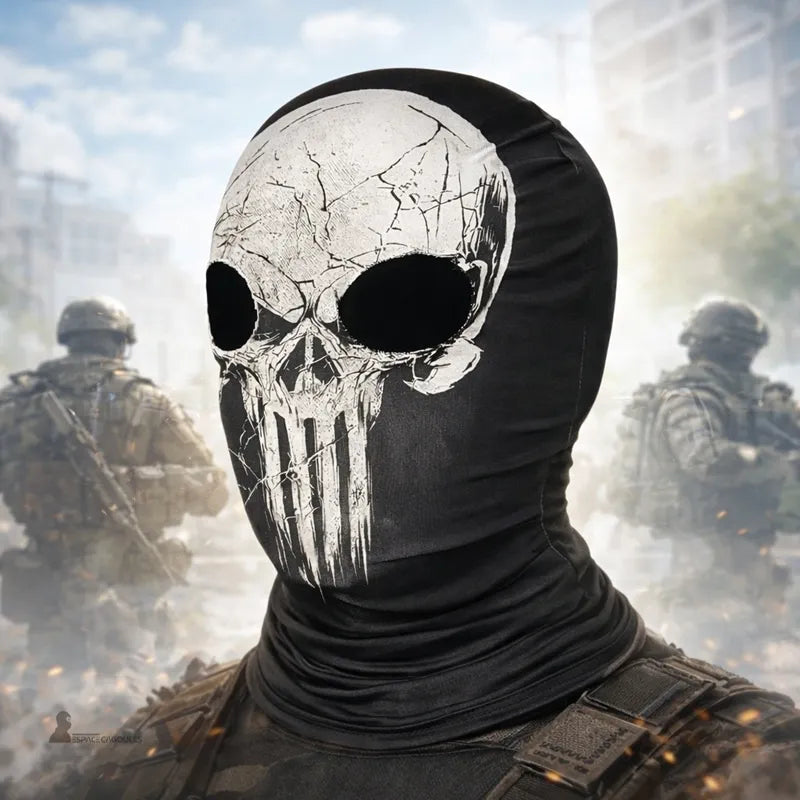
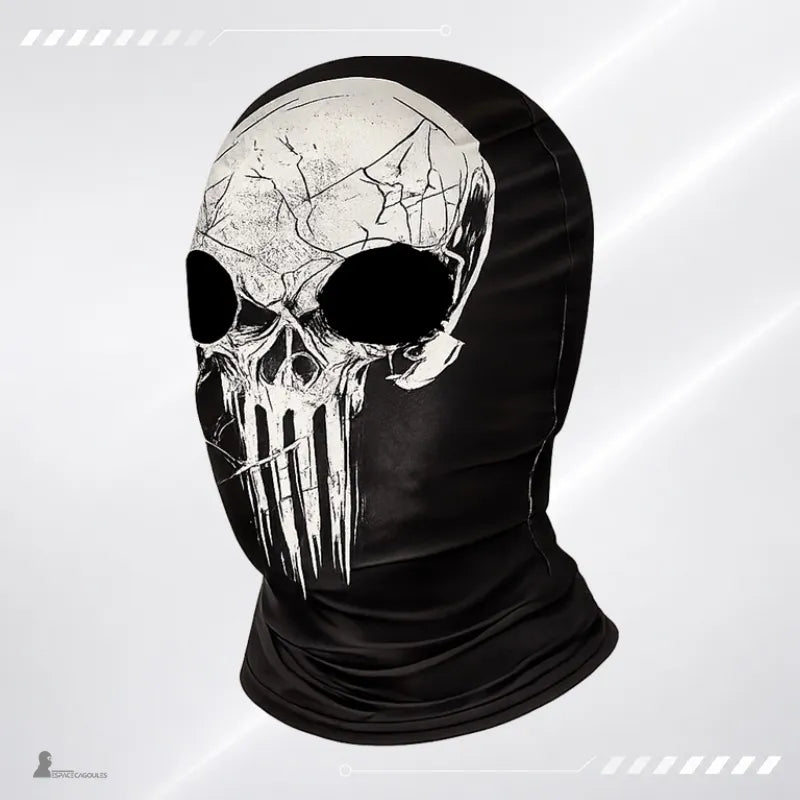
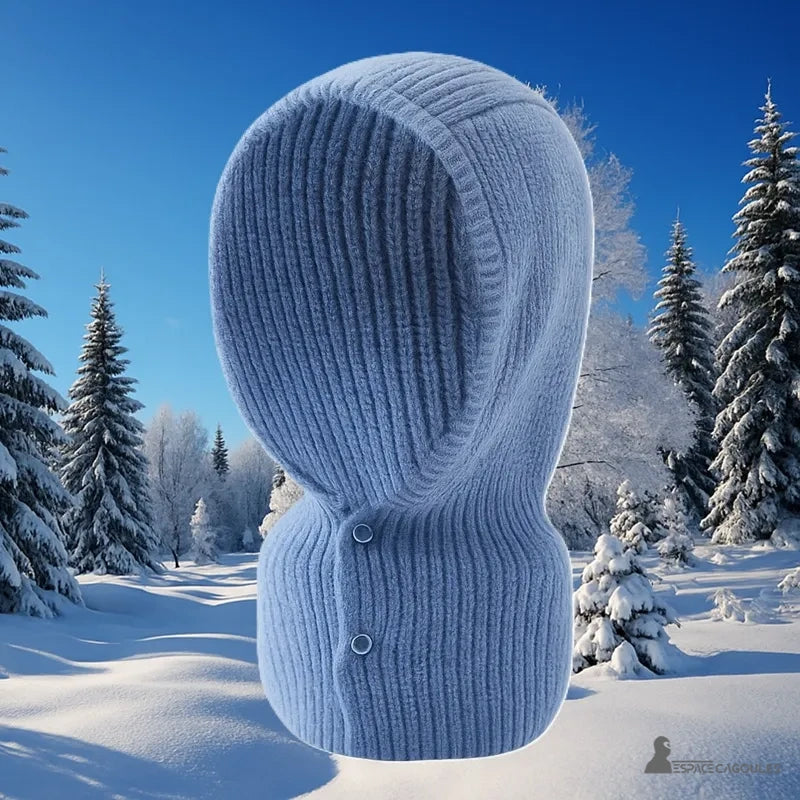
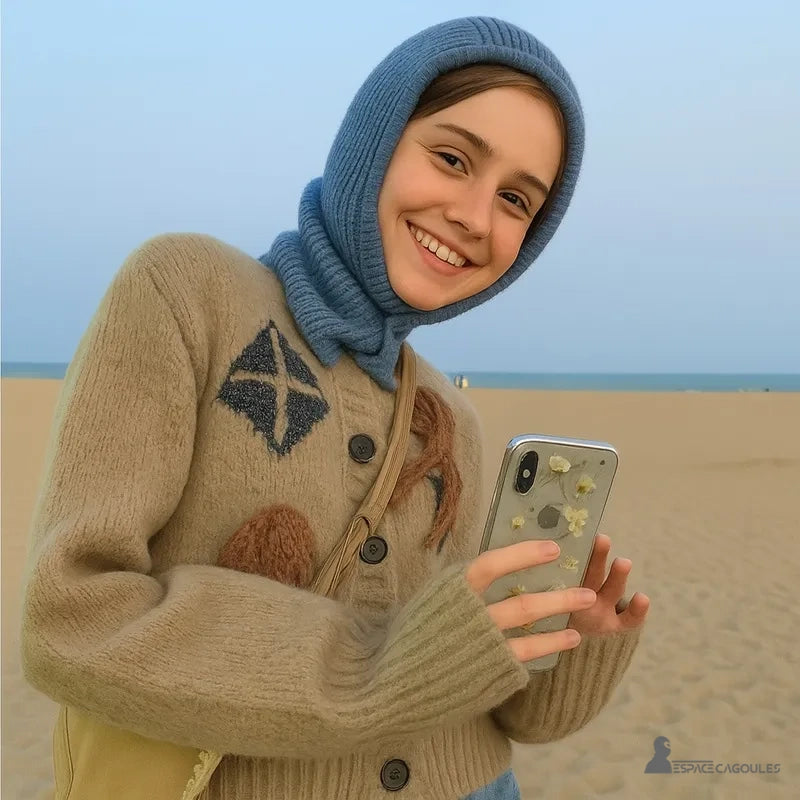
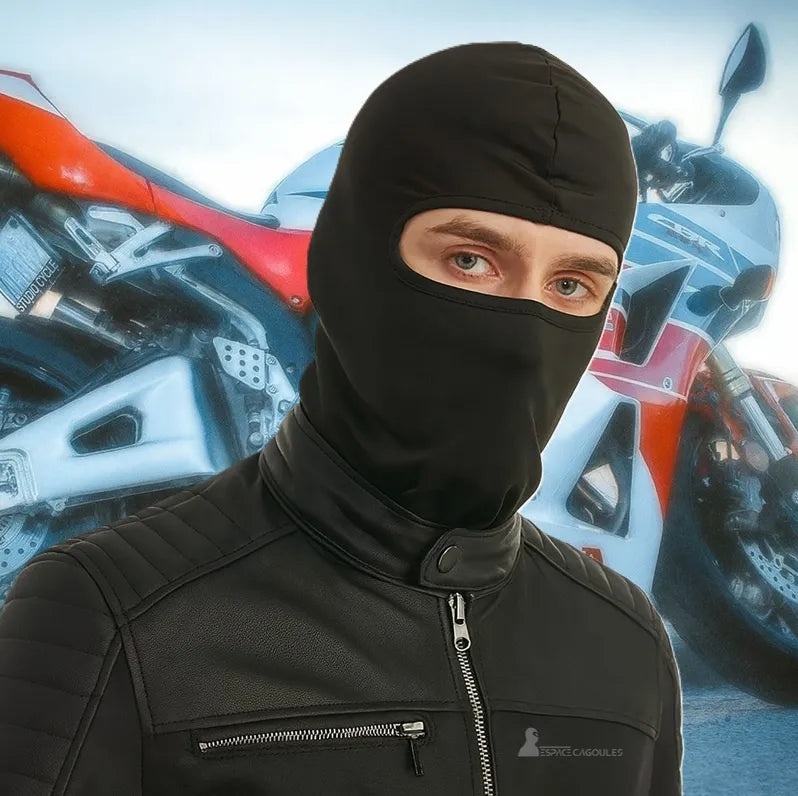
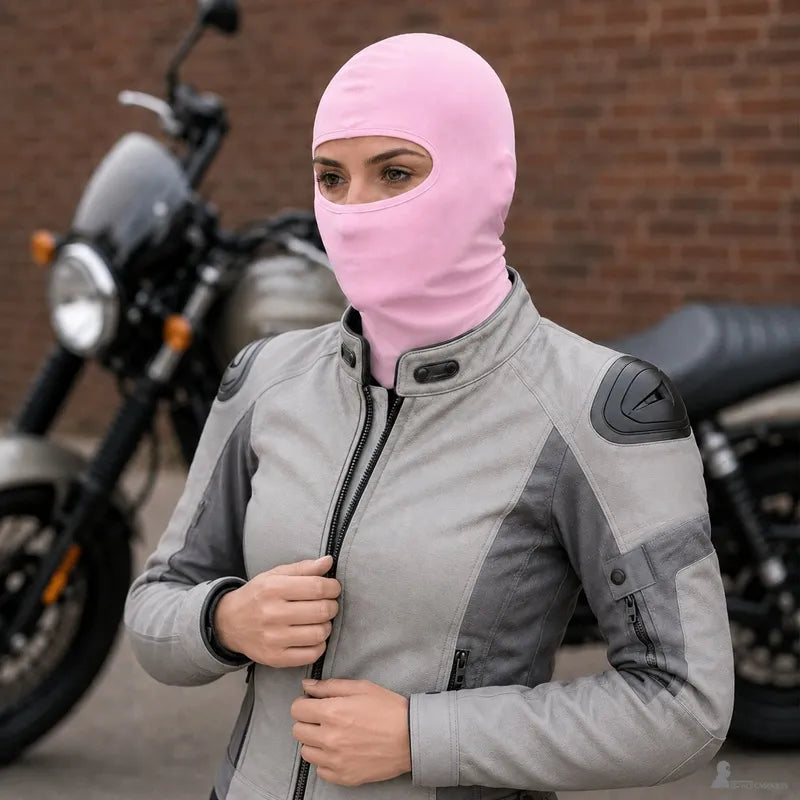


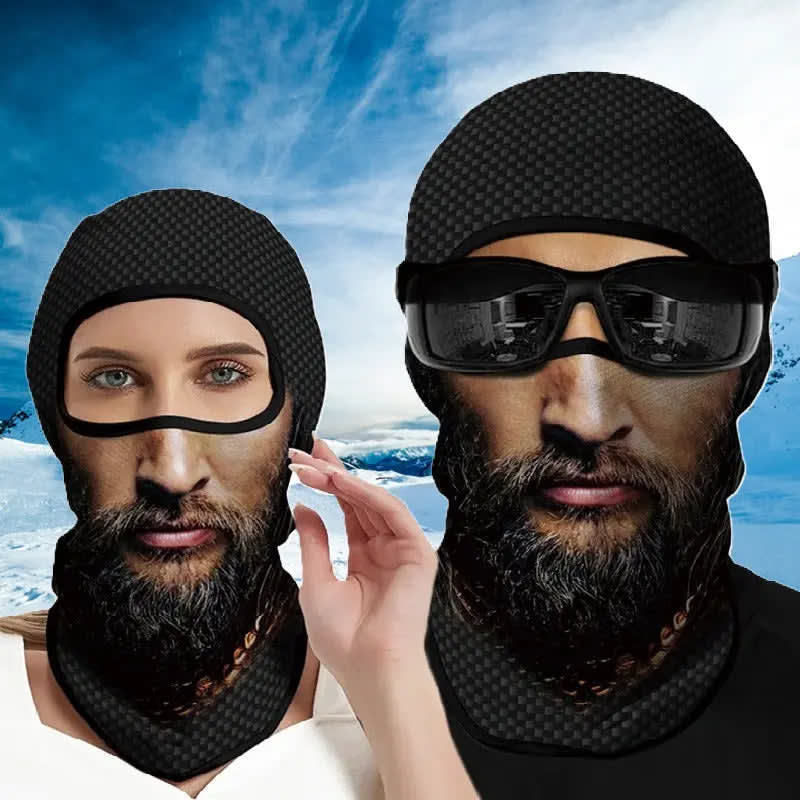
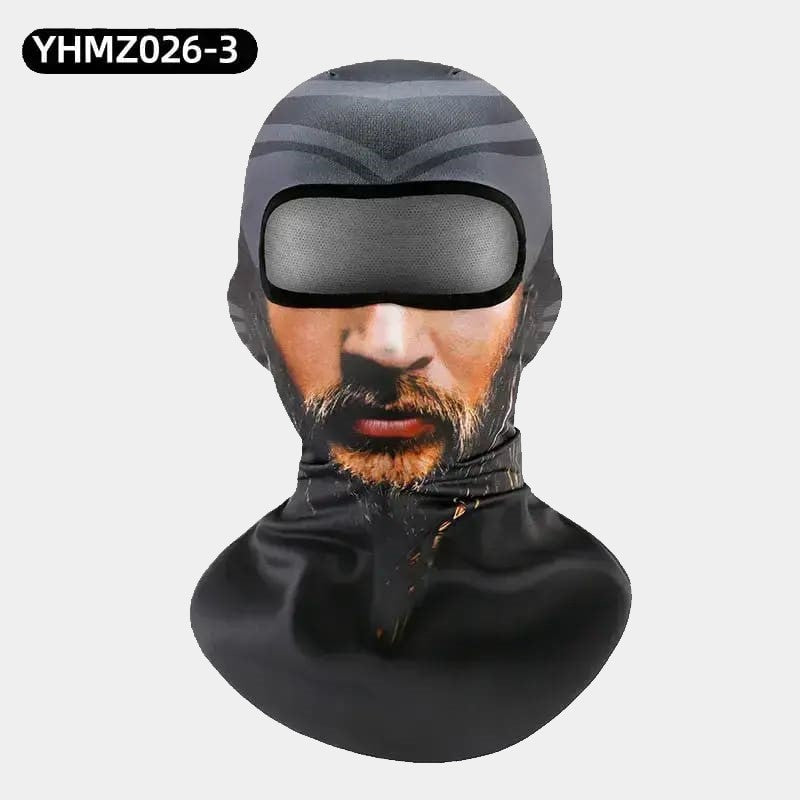
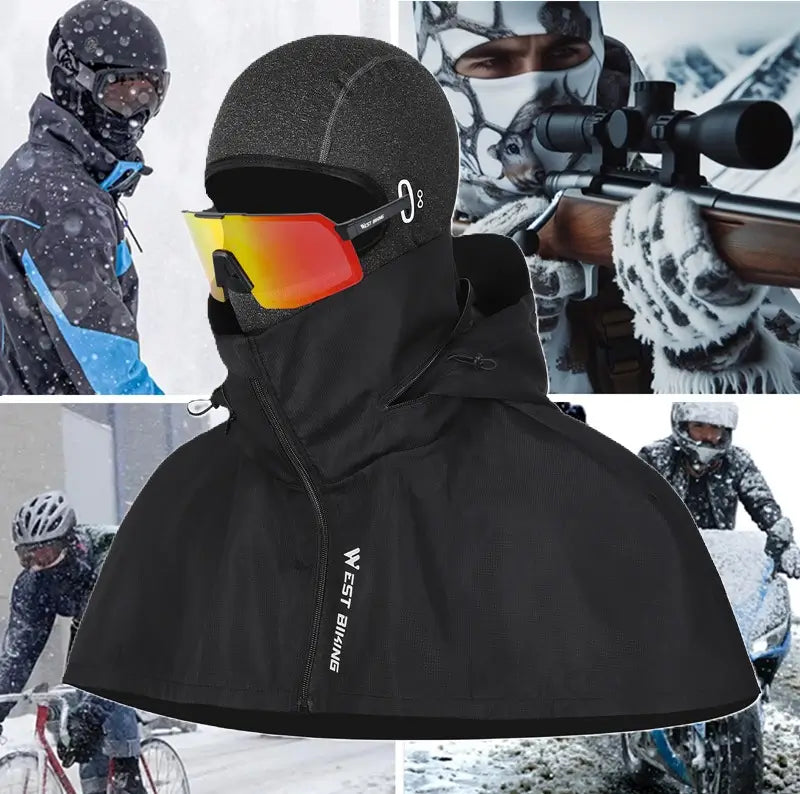
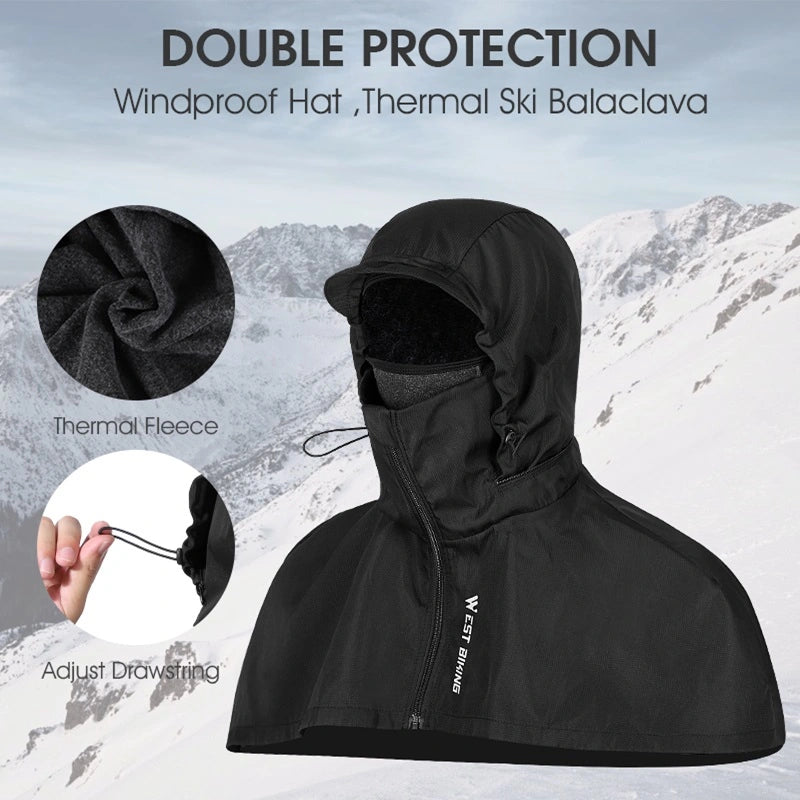


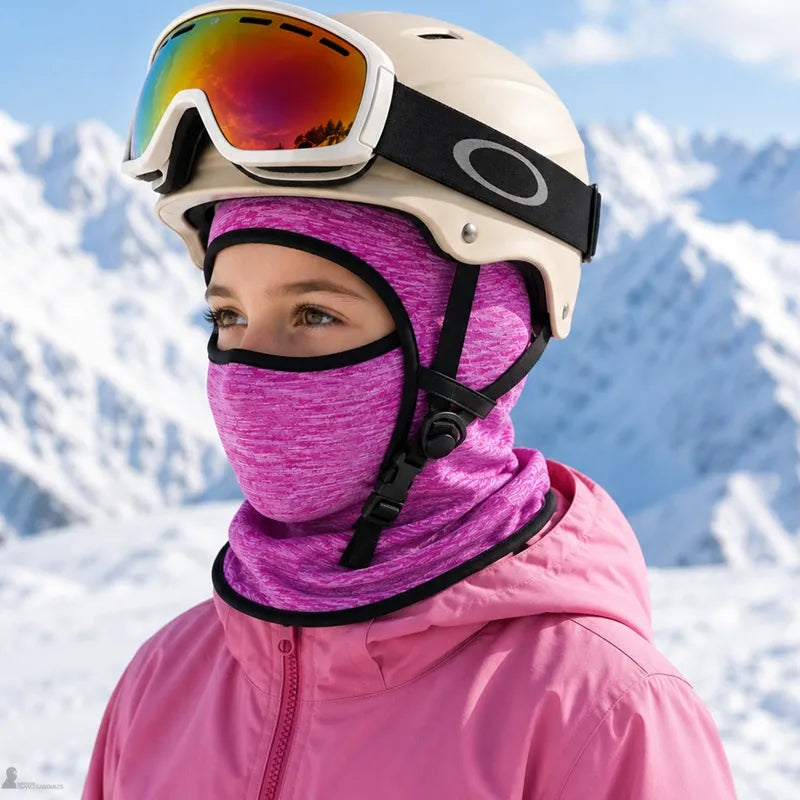
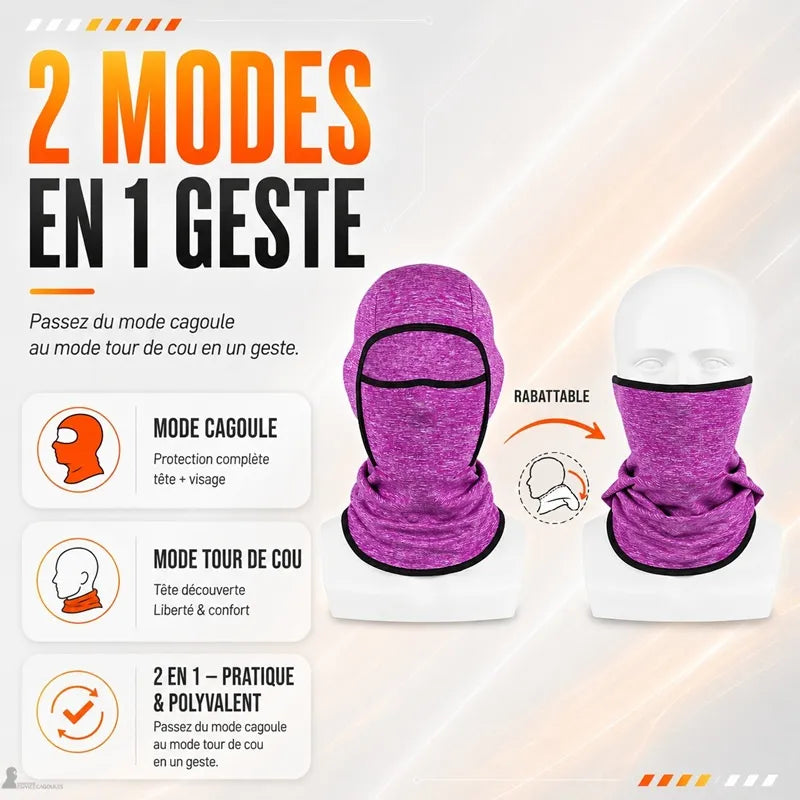
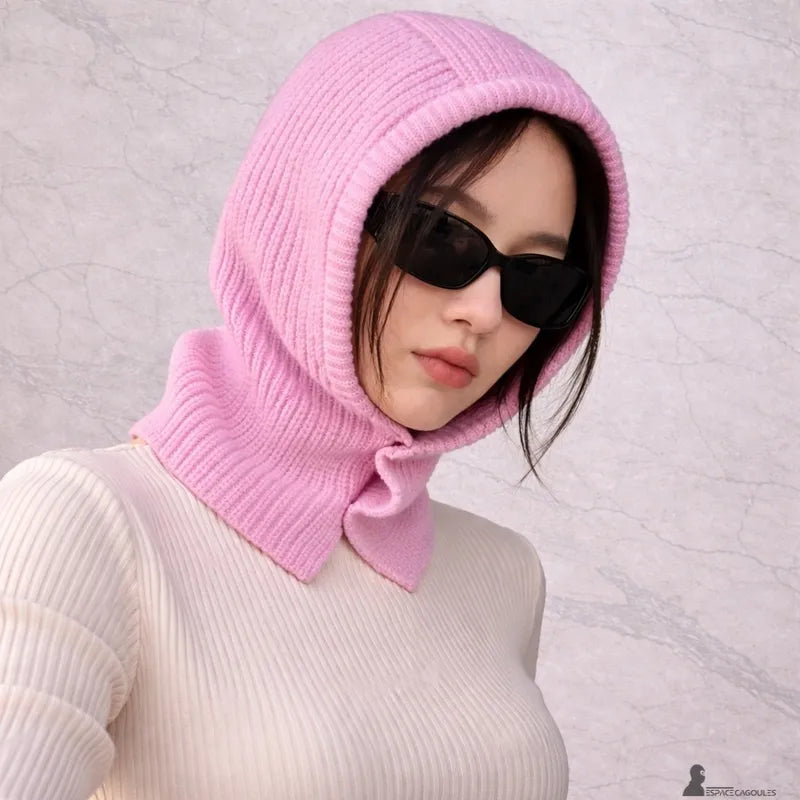

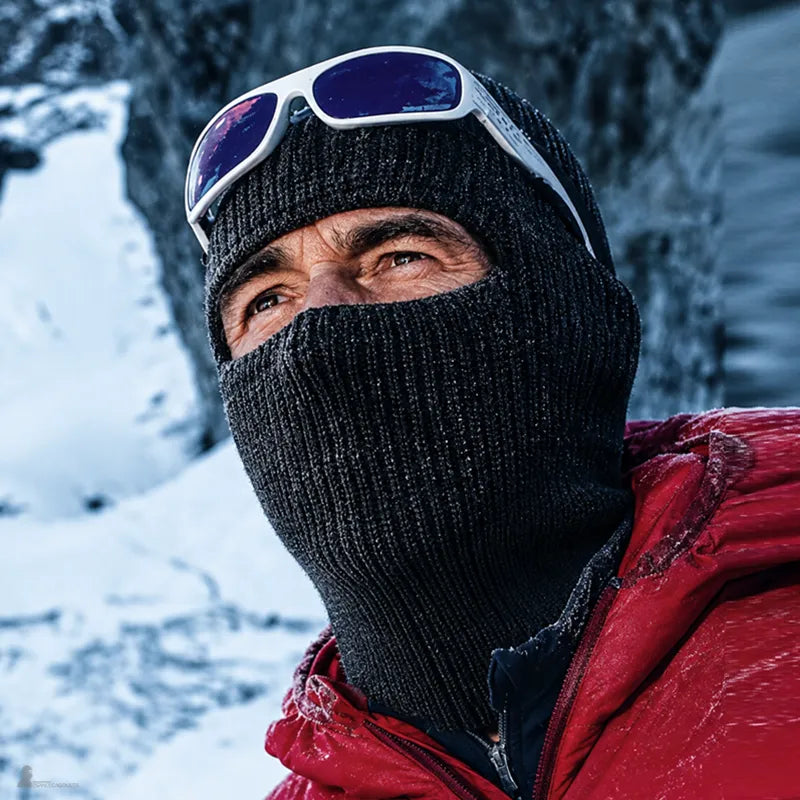
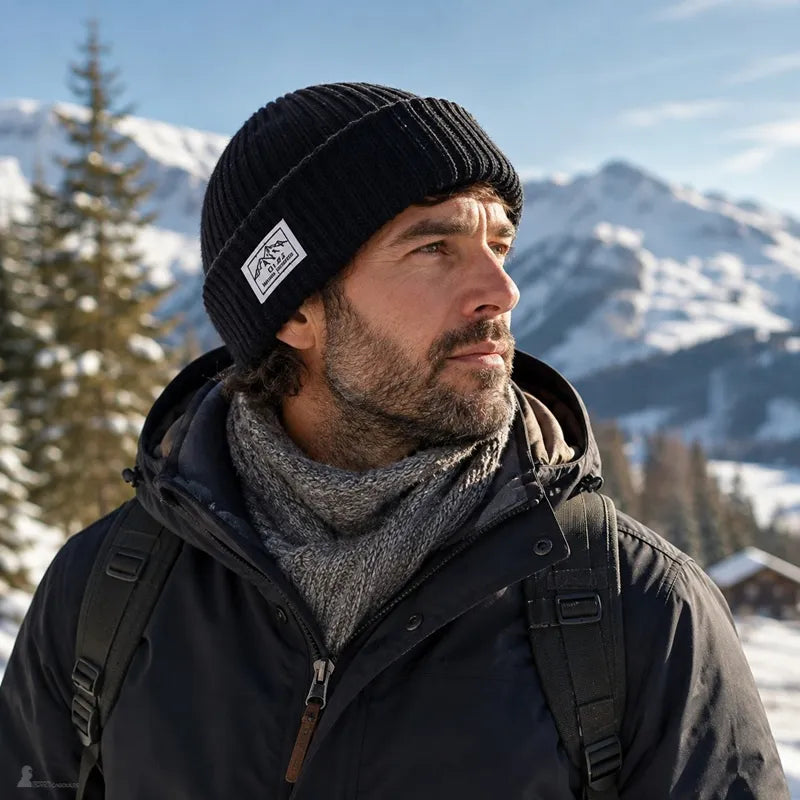
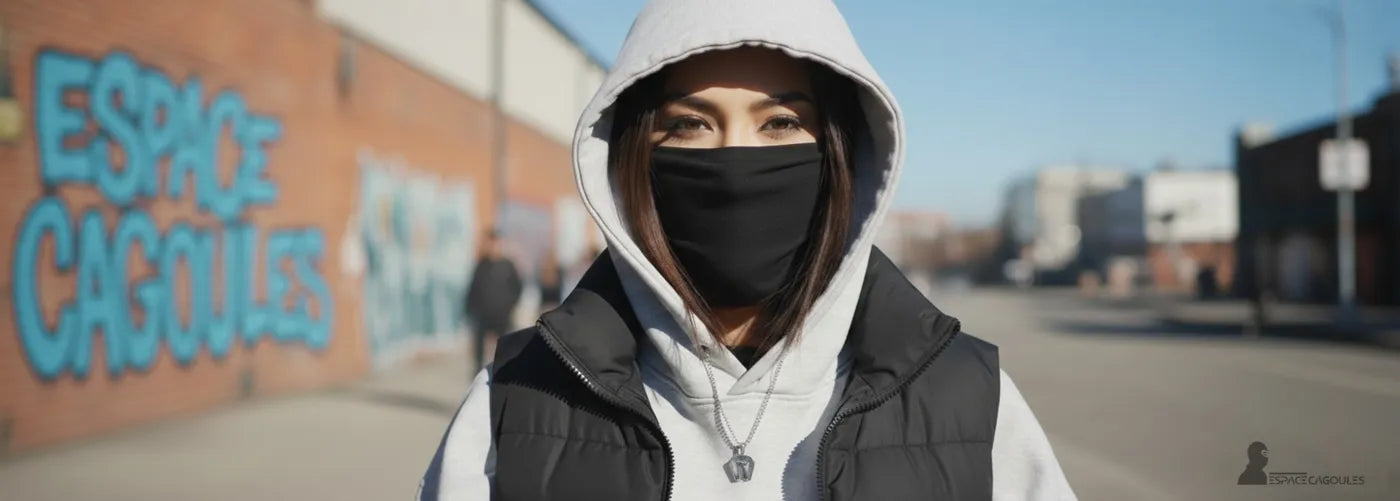
The Balaclava has become an essential item for modern outdoor activities. Capable of covering the head, neck, and sometimes part of the face, it forms a continuous thermal barrier while remaining lightweight, breathable, and compatible with a helmet. Skiing, motorcycling, cycling, hiking, sliding sports, or urban commutes: a well-designed Balaclava provides valuable thermal stability and significantly enhances comfort in motion.
In this collection, we have gathered technical models made from fleece, breathable fibers, silk, polyester/spandex, or premium knit. The goal is simple: to offer an optimal balance between insulation, moisture wicking, morphological comfort, and seasonal versatility. Under cold, damp, or windy conditions, the Balaclava becomes a reliable, discreet, and durable partner.
Unlike a beanie or a simple neck gaiter, the Balaclava creates thermal continuity that protects sensitive areas: ears, cheeks, chin, throat, and upper chest. Its enveloping design limits drafts, reduces the wind-chill effect, and stabilizes temperature during effort transitions. For cold or unstable environments, it is a key piece of modern equipment.

The word balaclava is the English translation of "cagoule": both refer to the same object, a headgear that covers the head and face, leaving only the eyes, or the eyes and mouth exposed. The term comes from Balaklava, a locality in Crimea where, during the war of 1854, British soldiers wore this type of knitted face cover to withstand the cold. Since then, the word has become common in everyday language, often perceived as more modern than "cagoule".
It is more common to write a balaclava, borrowed from English, although the feminine form has spread by analogy with "a cagoule". Both usages coexist today without one being truly incorrect.
A balaclava accompanies all situations where cold, wind, or speed expose the face. It can be worn alone in mid-season, under a helmet in winter, or in addition to a hood in extreme cold. Its strength lies in its versatility: the same piece is suitable for skiing, a morning motorcycle ride, or a bike outing in side winds. When well chosen, it becomes unnoticeable and protects areas that neither a hat nor a scarf truly cover.
At altitude, the cold first attacks the nose, cheeks, and chin. Versions made of technical fleece or insulating fibers create a protective layer that fits under the helmet without pressure points, while breathable panels limit condensation both uphill and downhill. To complete your skiing outfit, explore our ski balaclava collection.
On two wheels, a thin model made of polyester/spandex or silk can be positioned under the helmet without discomfort. It prevents friction, maintains the hygiene of the liner, and retains an anatomical fit that does not restrict visibility. It is a reflex for both daily commutes and sports outings. Find suitable models in our motorcycle balaclava collection.
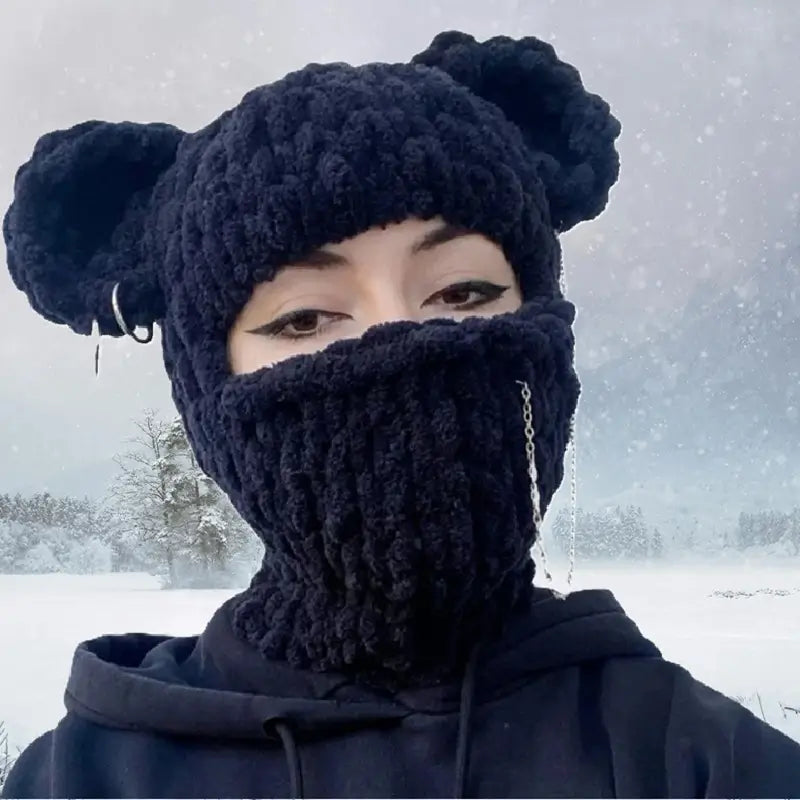
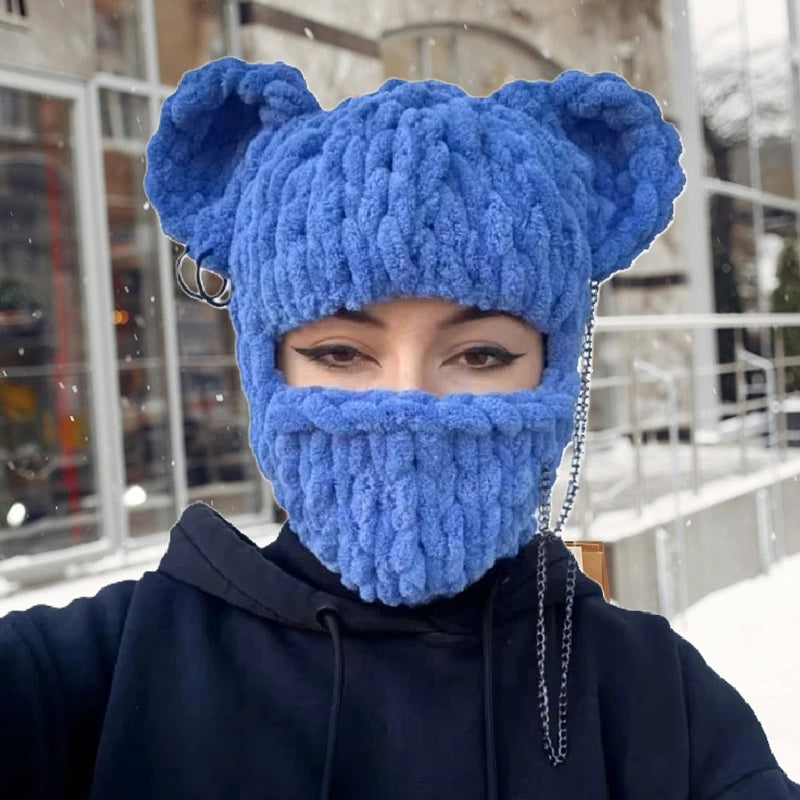
Knitted or made of lightweight microfiber, the balaclava cuts the wind while maintaining a soft touch and a discreet appearance. It accompanies city trips, running, or walking during the interseason, when the cold bites without being extreme. Fans of a cozy look will find happiness among our knitted models.
The quality of a balaclava relies on three concrete pillars: flat seams that eliminate irritation, controlled elasticity for a snug fit without compression, and micro-perforated zones at the mouth and nose that allow breathing without letting heat escape. A precise fit avoids folds under the helmet and maintains regular ventilation, even during intense effort.
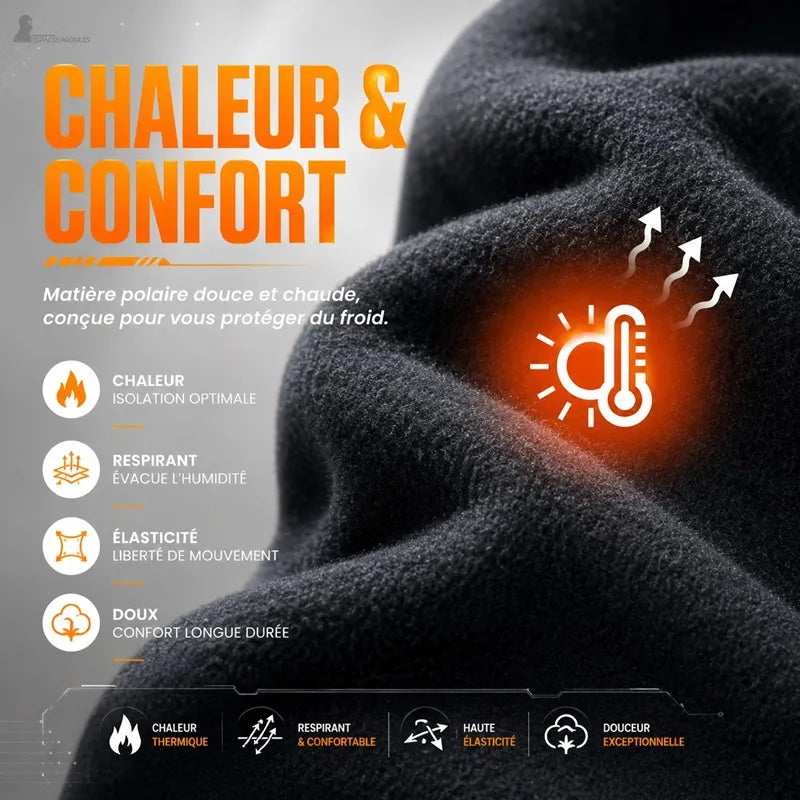
Brushed fleece traps a layer of warm air while remaining breathable. It is the reference material for harsh winters, prolonged outings, and windy environments, when insulation is the priority.
Polyester/spandex blends dry quickly, effectively wick moisture, and maintain lasting elasticity. They are suitable for wearing under a helmet and for intense efforts, where breathability is more important than pure warmth.
Silk offers a cool touch that limits overheating, ideal for endurance or mild temperatures. Knitted versions, on the other hand, focus on a warm and enveloping feel, perfect for urban use and a bold style.
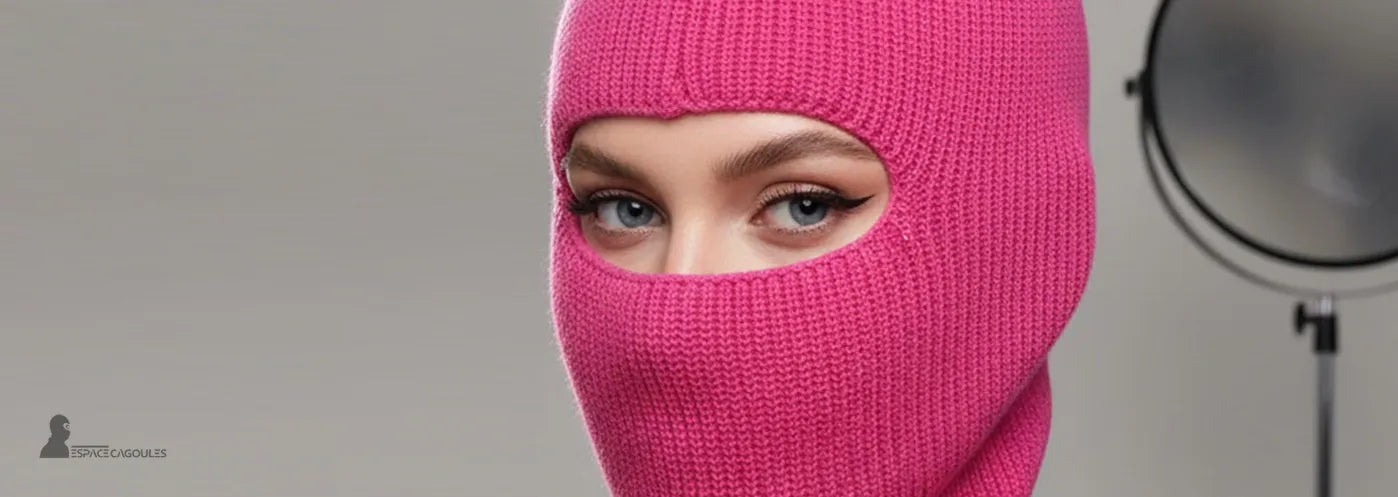
The number of openings changes the use. The 1-hole model only exposes the eyes and offers maximum coverage, suitable for extreme cold and tactical use. The 2-hole model widens the field of vision. The 3-hole model frees the eyes and mouth for better breathing and communication. Under a helmet, it is better to have a thin and stretchy cut that does not create any bulk.
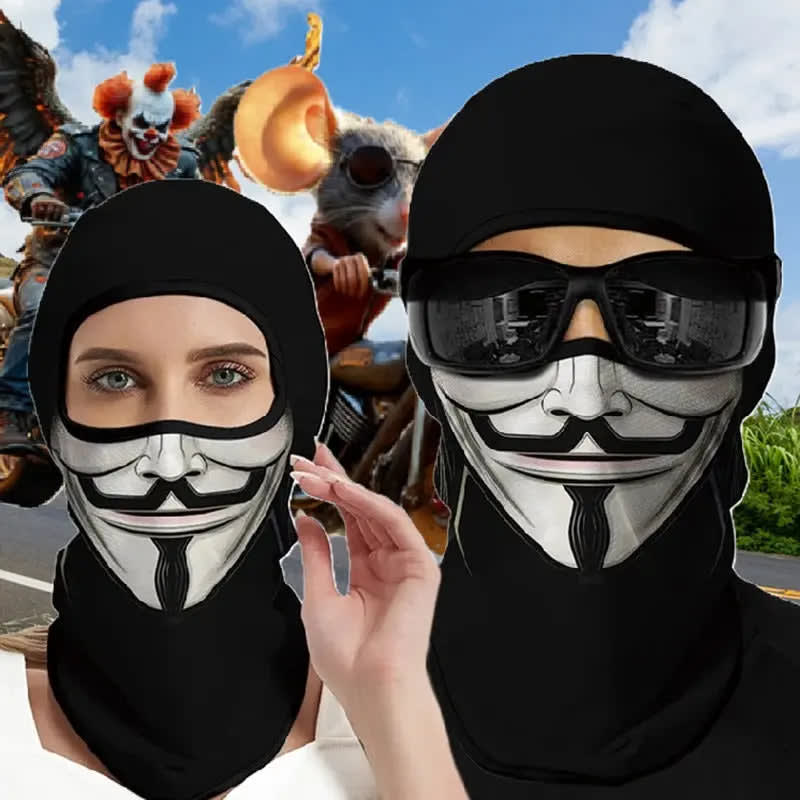
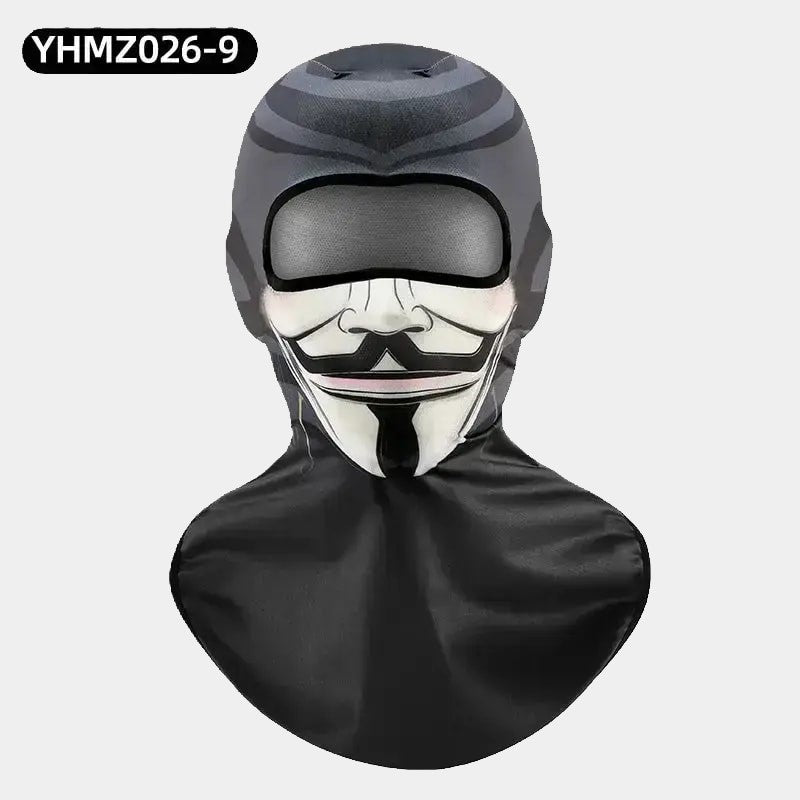
Most models are designed in a unisex cut in one size, with variations for men, women, and children. The choice is mainly based on material, color, and style: sober colors like black or gray for discretion, brighter shades or patterns to assert a look. Fashion enthusiasts will find dedicated pieces in our women's collection.
Beyond the technical aspects, the balaclava has established itself as a style accessory. Paired with a structured jacket or winter coat, it adds a bold and contemporary look. Models made of worked knit or with refined finishes are worn for both their appearance and warmth, in the city as well as in the mountains.
Well-fitted, a balaclava stabilizes the microclimate around the face and neck. It blocks the wind-chill effect, regulates perspiration, and ensures targeted ventilation thanks to well-placed breathable zones. Suitable for four seasons, multi-activities, and designed to last, it has become an essential part of outdoor equipment, on the slopes, on the road, cycling, and in the city.
Order your Balaclava now and enjoy Free Shipping!
Answers to the most frequently asked questions about the Balaclava: definition, origin, difference with the hood, openings, helmet compatibility, and material choice.
A balaclava is a headwear that covers the head and face, leaving only the eyes, or the eyes and mouth visible depending on the model. It creates a continuous thermal barrier that protects against cold and wind while remaining compatible with a helmet.
None: "balaclava" is simply the English translation of "cagoule". Both words refer to the same object. The term balaclava is often perceived as more modern or trendy, but it covers exactly the same accessory.
The name comes from Balaklava, a locality in Crimea. During the Crimean War in 1854, British soldiers wore this knitted face cover to protect themselves from the cold. The term then entered common usage to refer to the hood.
It is more correct to say "a balaclava", borrowed from English. The feminine usage, "an balaclava", has however spread by analogy with "a hood". Both forms are commonly encountered.
The 1-hole version only exposes the eyes for maximum coverage. The 2-hole version widens the field of vision. The 3-hole version frees the eyes and mouth for better breathing and communication. Under a helmet, prefer a thin and stretchy model.
Yes. Thin materials like polyester/spandex or silk ensure a stable fit under the helmet, without pressure points or bulk, while maintaining comfort and visibility.
Fleece for harsh winter and dry cold, polyester/spandex for prolonged efforts and wearing under a helmet, silk for softness and endurance. Knitted fabric favors a warm feel and a more urban style.
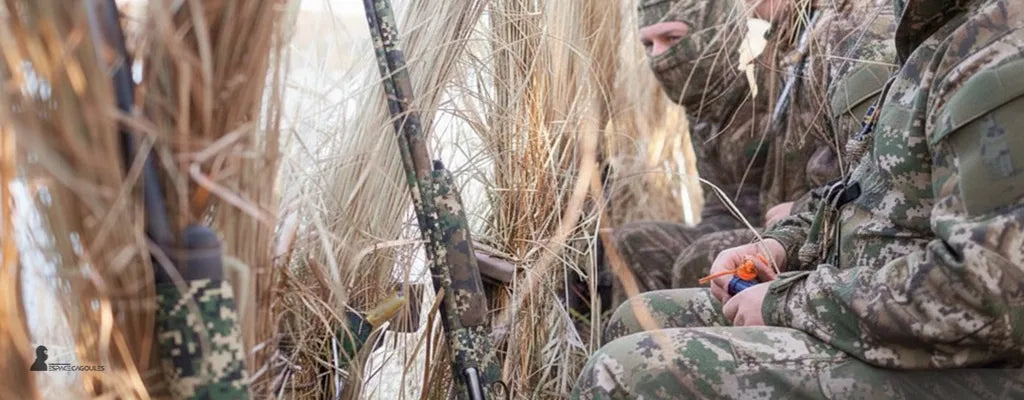
Stalking: Understanding the Invisible Demands of This Waiting Practice
The still hunting relies on a seemingly simple principle: waiting for game at a fixed position, in silence, until it presents itself. However, behind this simplicity lies a demanding practice, wher...
More information
Everything You Need to Know About the Balaclava
Discover an expert guide dedicated to balaclavas: how they work, advantages, differences between 1-hole, 2-hole, and 3-hole models, choice of materials (fleece, polyester, neoprene, Ice Silk), usag...
More information
Winter motorcycle balaclava vs Summer motorcycle balaclava
Whether riding under a blazing sun or in the biting cold of December, one thing remains true: the motorcycle balaclava is one of the most useful pieces of gear for a motorcyclist. Too often overloo...
More information